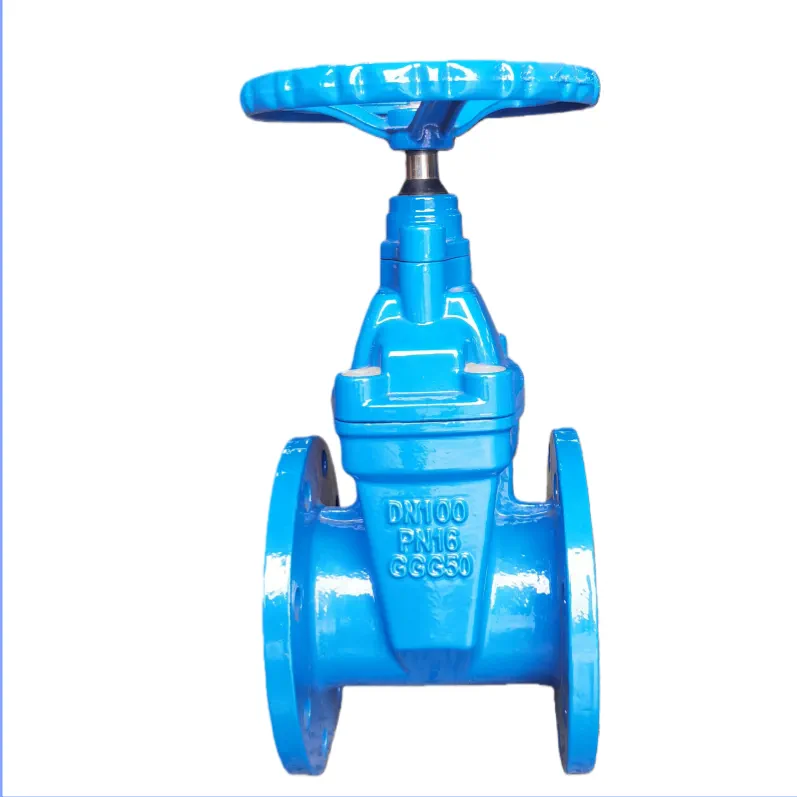
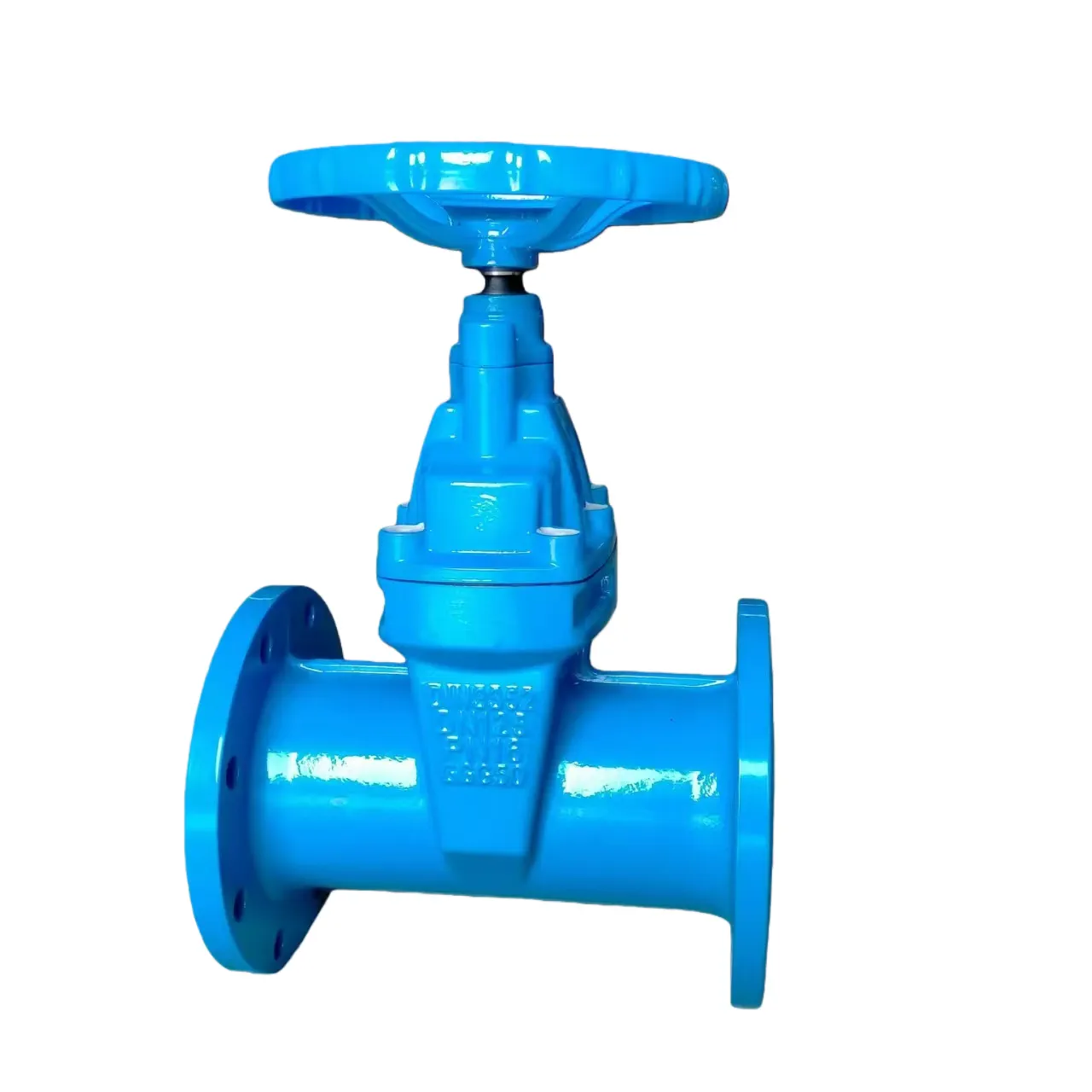
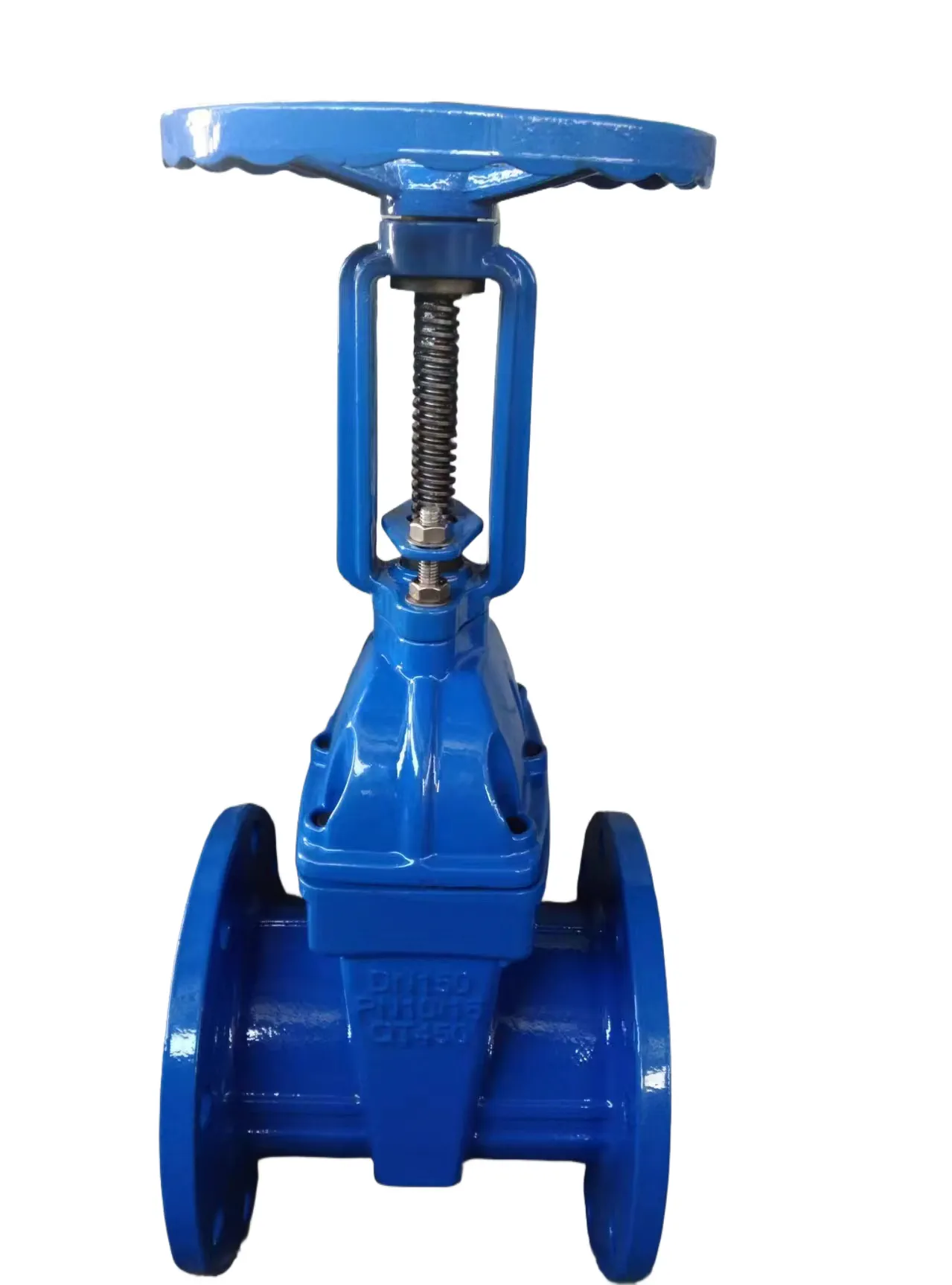
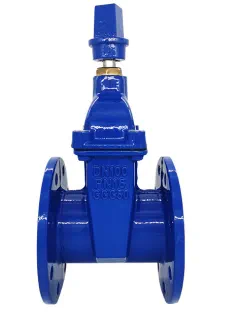
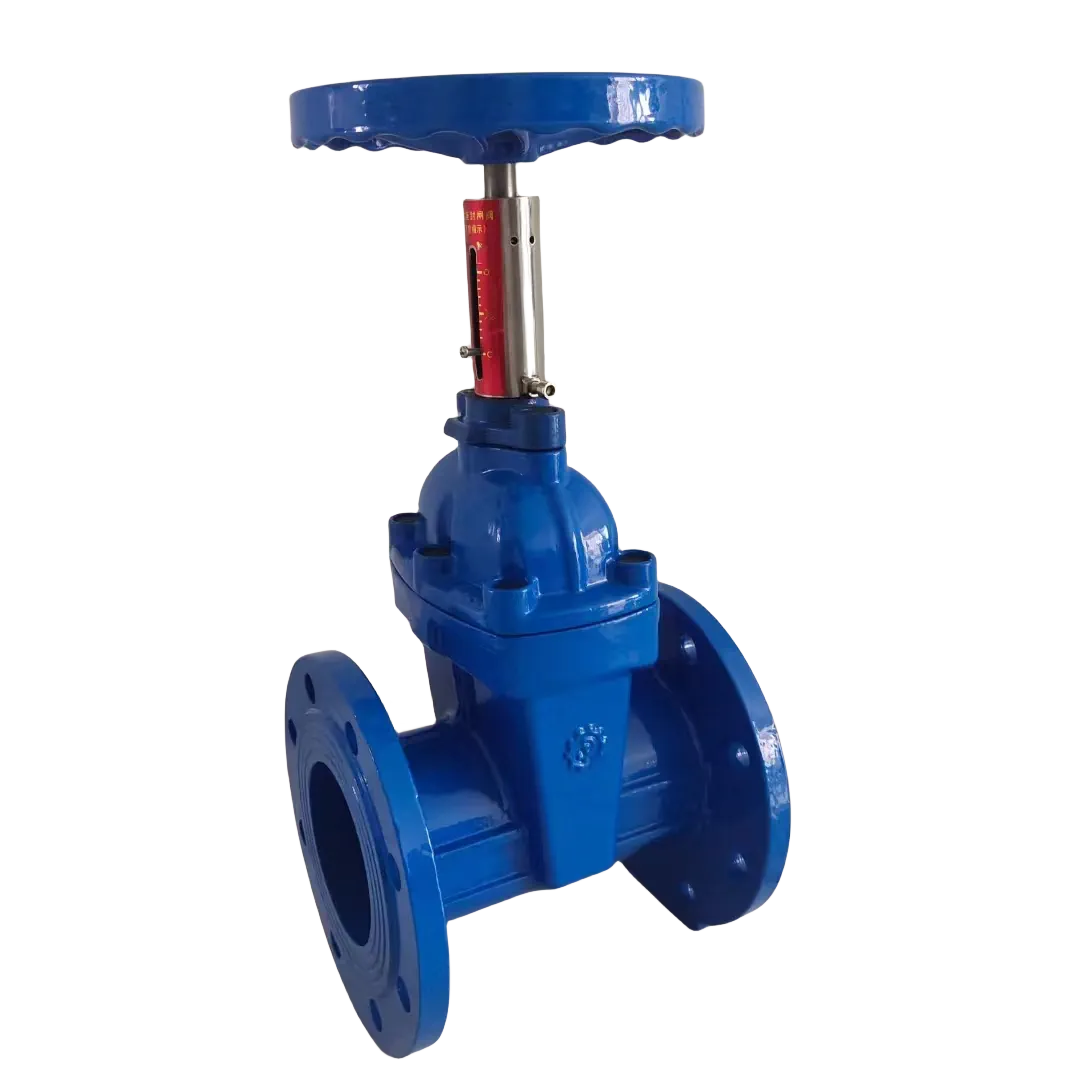
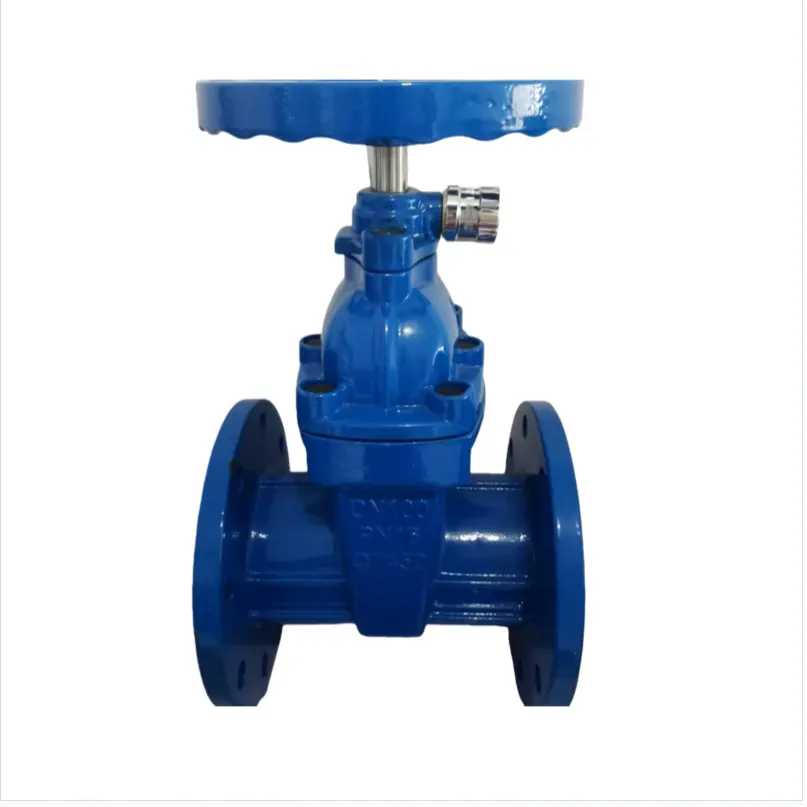
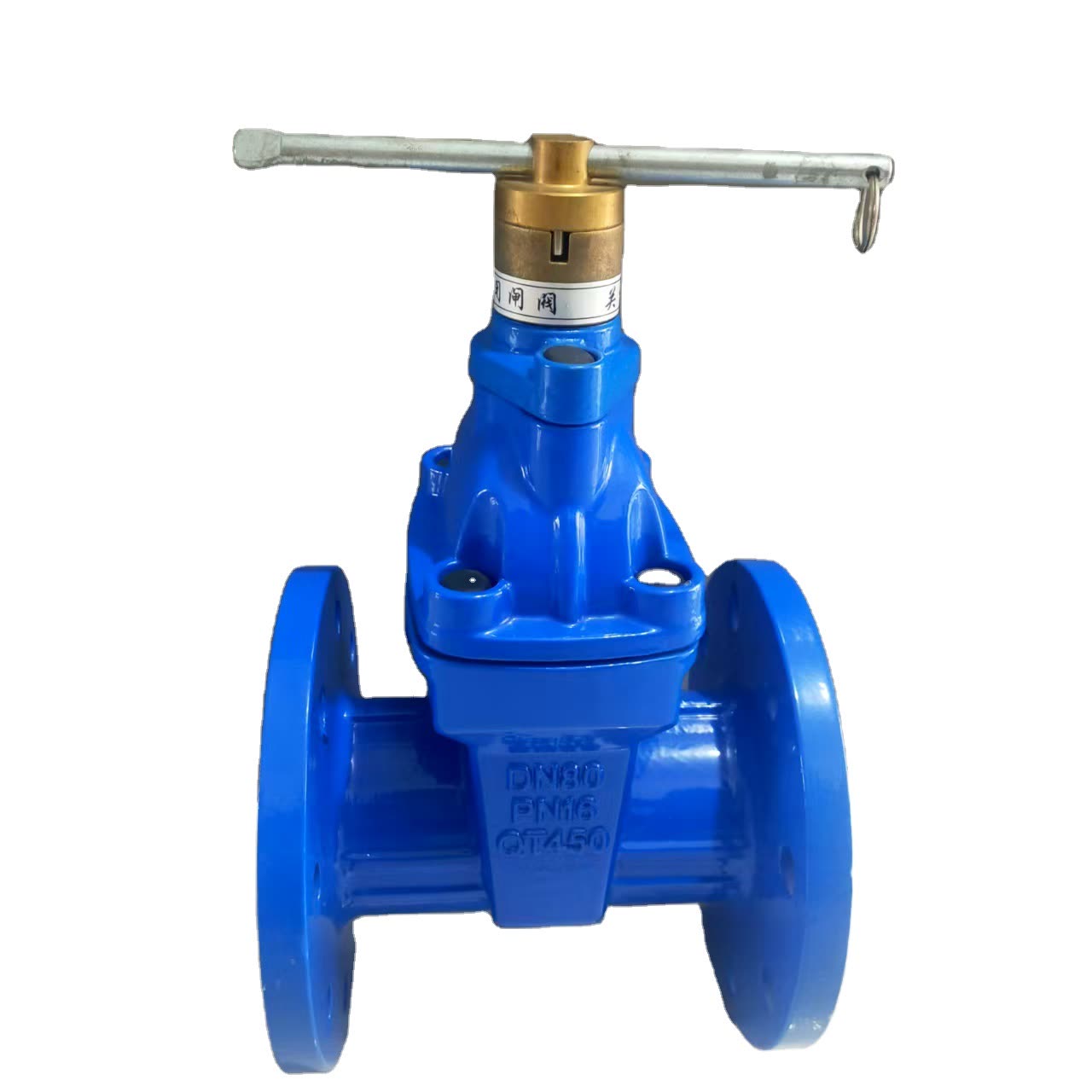
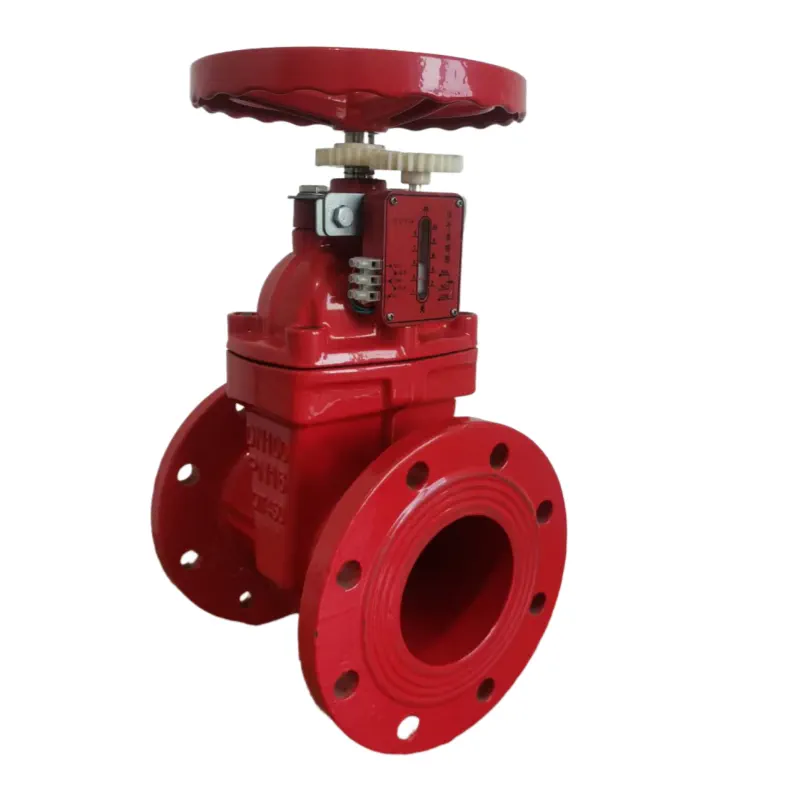
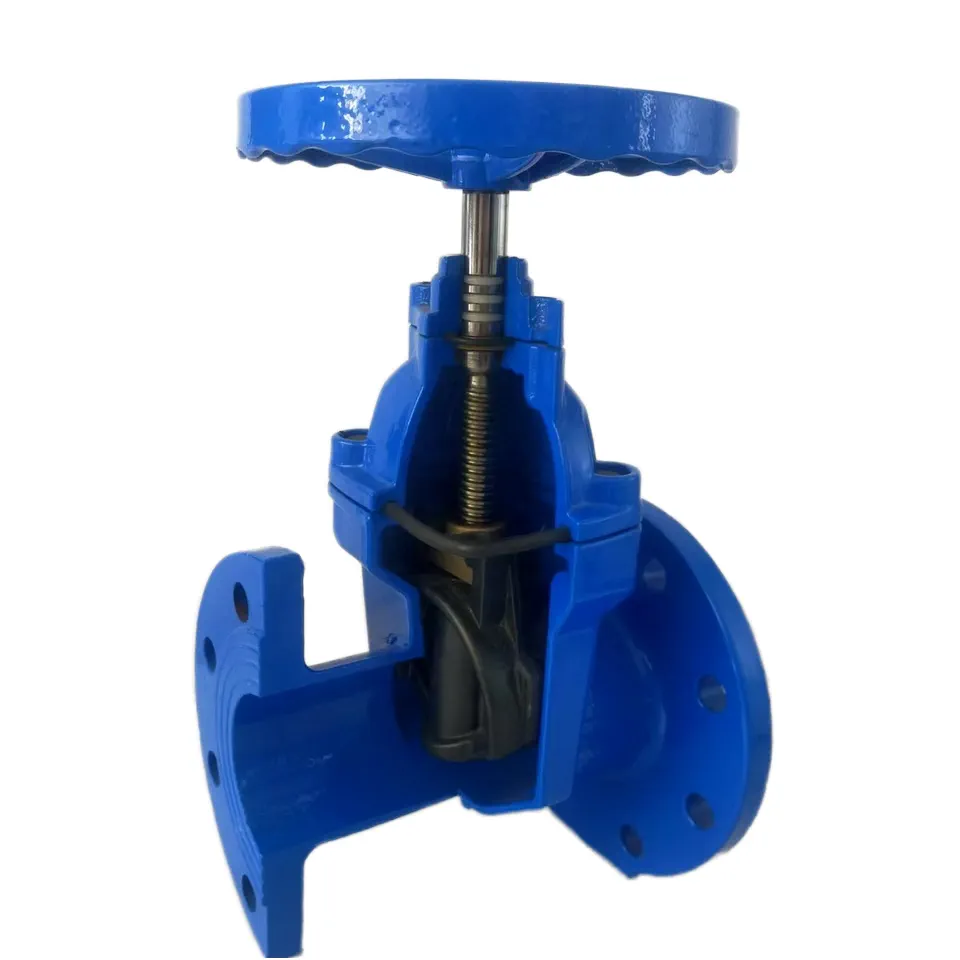
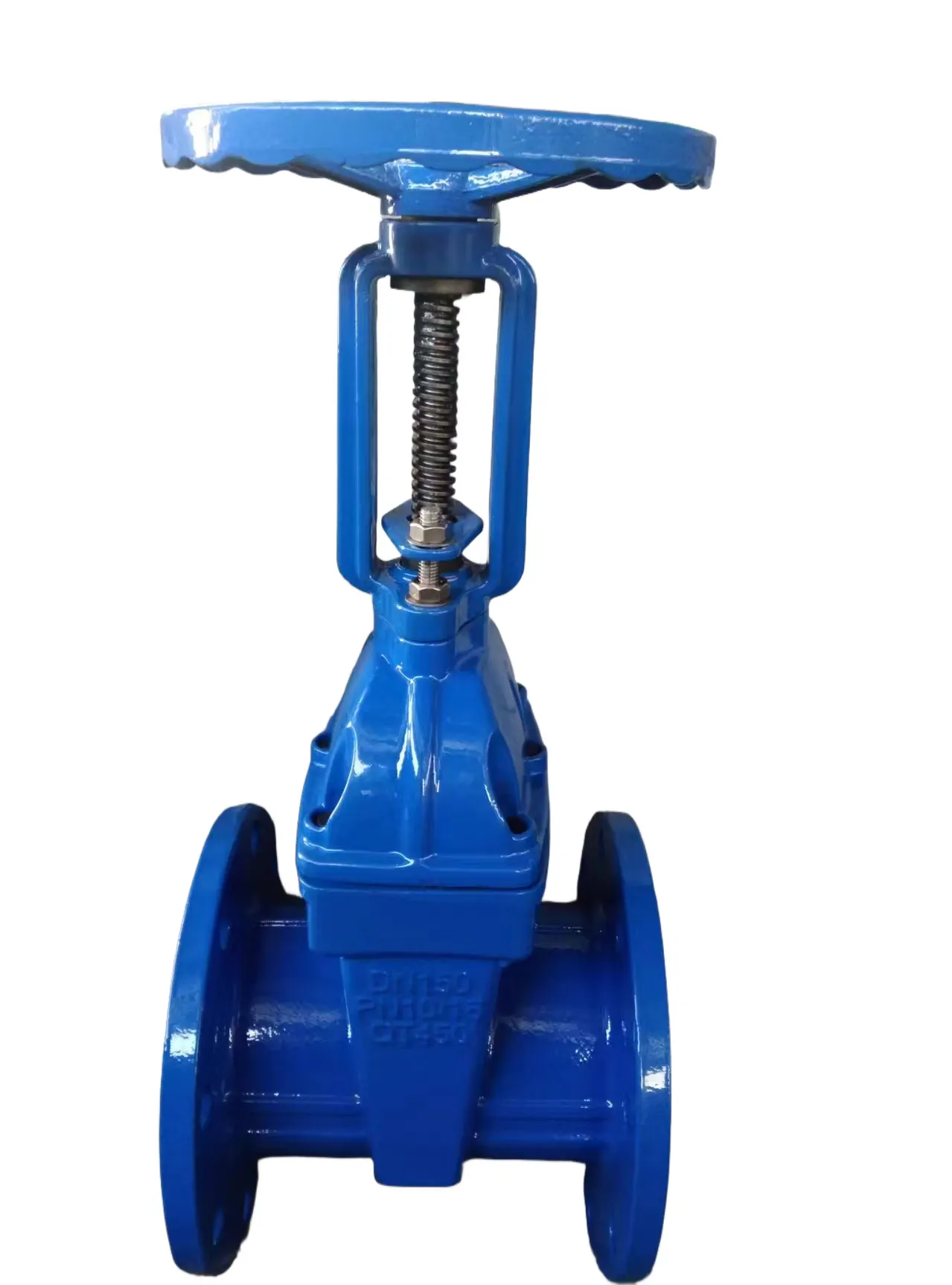
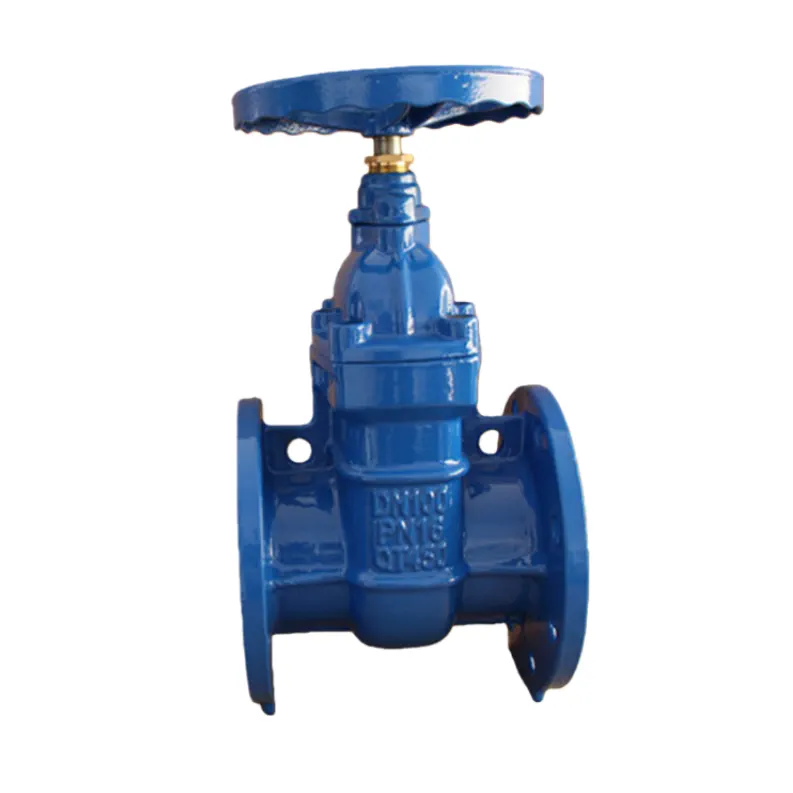
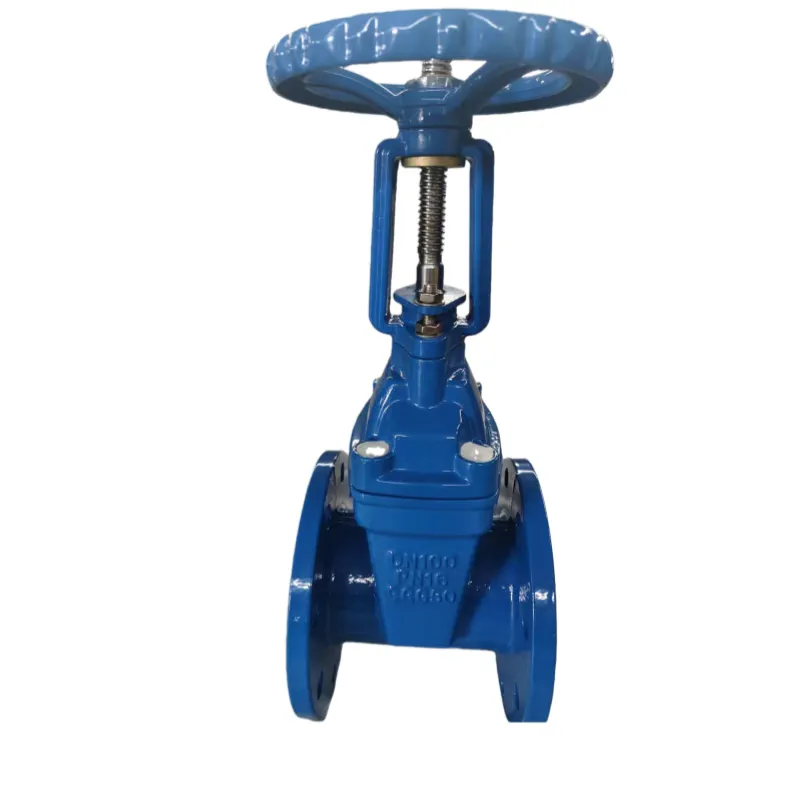
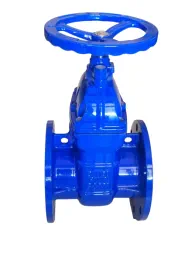
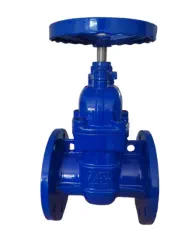
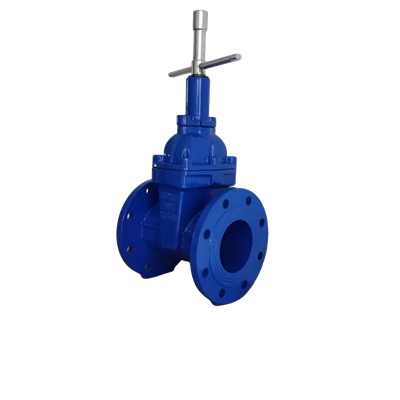
BS5163 with a metal seat: British face-to-face, PN16, copper-alloy-faced wedge against replaceable bronze seat rings, so the part that wears can be renewed instead of the whole valve being scrapped. That is the argument for this over the cheaper all-cast gate — in a heating plant the valve gets operated every season and the seat is what goes. Cast iron GG25 or ductile body, epoxy coated, non-rising stem. For clean potable water the resilient-seated BS5163 is the better valve; this one is for hot or lightly dirty service.
General Specifications
Size RangeDN50 – DN600
Pressure RatingPN16 (PN25 on request)
Design StandardBS5163
End ConnectionDouble flanged
Flange DrillingBS EN 1092-2 (DIN 2501) PN16
Stem TypeNon-rising stem (NRS)
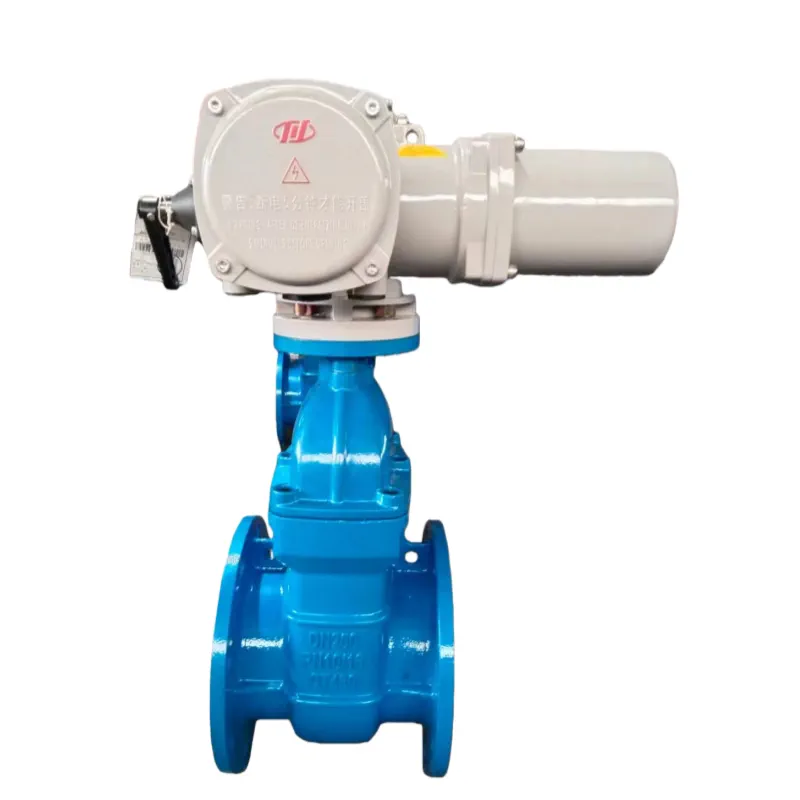
OperationHandwheel (actuator on request)
MediaIndustrial water and non-clear fluids
Max. Working TemperatureAbove resilient-seated range — up to approx. 200 °C with metal seat (confirm medium and pressure)
Materials & Coating
Body / BonnetCast iron GG25 option / ductile iron; duplex 2205 / 2507 available on request
Wedge & SeatMetal seated, copper-alloy faced
MaintenanceReplaceable seat rings
CoatingEpoxy coated
Applications
UK-spec networks General industrial water Renewal projects
When metal seat replaces resilient seat
Metal seat is the answer when the water is not clean: raw intakes, silt-carrying pumping mains, industrial water, or service at temperatures the elastomer cannot take. The rubber in a resilient valve is the part that ages and the part silt lodges against; removing it removes both failure modes.
What replaces it is a copper-alloy-faced wedge and seat. The trade is sealing class: a metal seat reaches drip-tight less easily than rubber, and bubble-tight normally needs a higher pressure class. That is a specification decision to state up front, not something to discover at commissioning.
Replaceable seat rings change the maintenance decision
The seat rings on this pattern are replaceable. That matters over a valve life: when sealing degrades, the ring is renewed rather than the whole valve replaced, which is the difference between a maintenance job and a procurement job on a buried main.
It also means the seat ring is the part to specify and to stock, and the reason a quotation for a metal-seated valve should say what the ring is made of.
BS 5163 and EN 1074-2 are not the same document
Both describe flanged metal-seated gate valves for waterworks, but the requirements are written differently and the two are not interchangeable on a specification. The project states which one governs; the valve is then quoted against that document rather than against a generic equivalent.
This valve pattern is written to BS 5163. Where the project calls EN 1074-2, quote that — the point of naming the standard is that the buyer and the supplier are measuring against the same clauses.
What to confirm on a metal-seated gate valve order
- Medium: what is in the water, and how much of it — this is the reason for the metal seat in the first place
- Temperature, since metal seat extends beyond the elastomer range but the limit still has to be stated
- Pressure class and the sealing criterion the project will test against (drip-tight or bubble-tight)
- Body material: cast iron GG25 or ductile iron, depending on pressure class and specification
- Flange drilling and face-to-face so the valve replaces what is in the ground without rework
Frequently asked
Why choose metal seat over resilient seat?
Because the water is not clean, the temperature is beyond the elastomer, or both. Silt and solids abrade and lodge against rubber; removing the rubber removes that failure mode. The cost is sealing class — metal reaches drip-tight less easily and bubble-tight normally needs a higher pressure class.
Can the seat be repaired instead of replacing the valve?
Yes — the seat rings on this pattern are replaceable, so degraded sealing is a ring renewal rather than a valve replacement. That is worth knowing on a buried main, where replacing the valve is a different scale of job.
Which standard is this valve made to?
BS 5163. If the project calls EN 1074-2 instead, say so — the two documents describe the same family but write the requirements differently, and quoting against the named document is what keeps the acceptance criteria aligned.
What does the copper-alloy facing do?
It forms the sealing pair with the body seat, and it is the surface that has to survive dirty water and repeated operation without galling. The facing material and the ring arrangement are stated on the quotation for the order.
Can it be supplied with an actuator?
Yes — handwheel is standard, actuator on request. The top flange and stem arrangement change with the actuation, so state the type and the control signal with the enquiry.
What body materials are available?
Cast iron GG25 or ductile iron, depending on the pressure class and what the specification calls for. Ductile iron is the usual choice where surge or ground movement is a consideration, because grey iron is a brittle-fracture risk under those loads.
How is the valve tested before shipment?
Against the standard the order names, with the test and the documentation stated on the quotation for that order. Where the project has its own receiving-inspection procedure, send it with the enquiry so the two procedures can be reconciled before production.
More from this series
Related guides