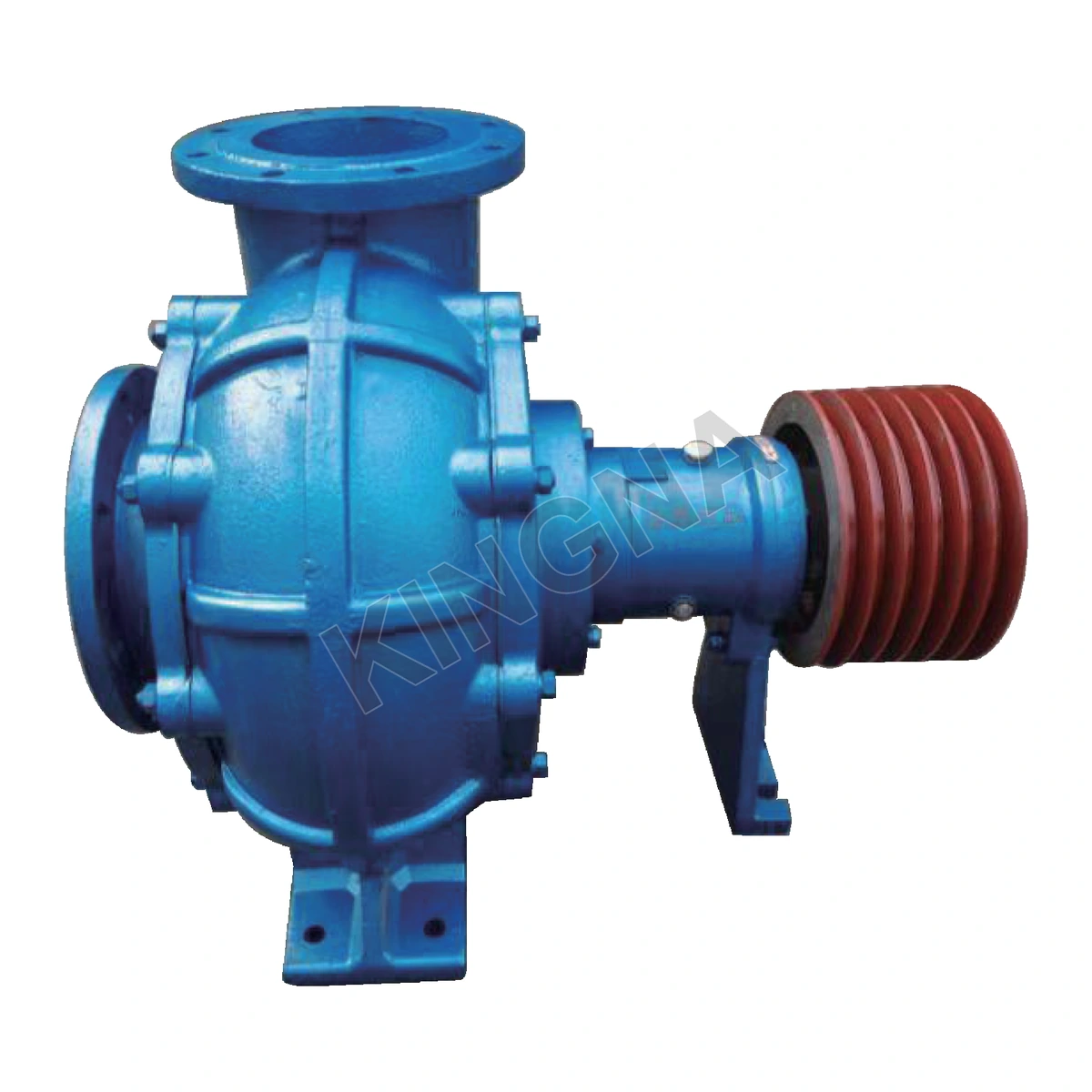
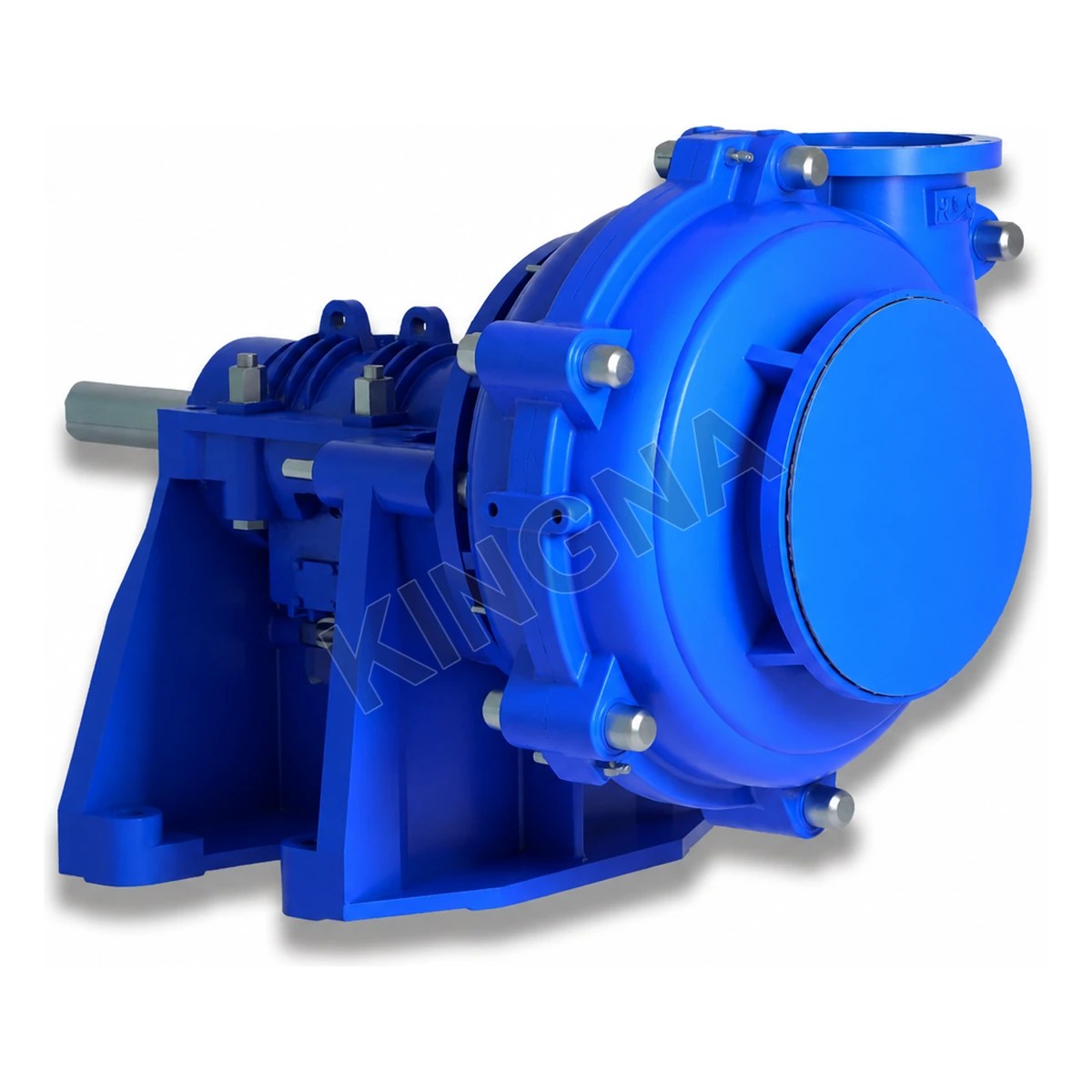
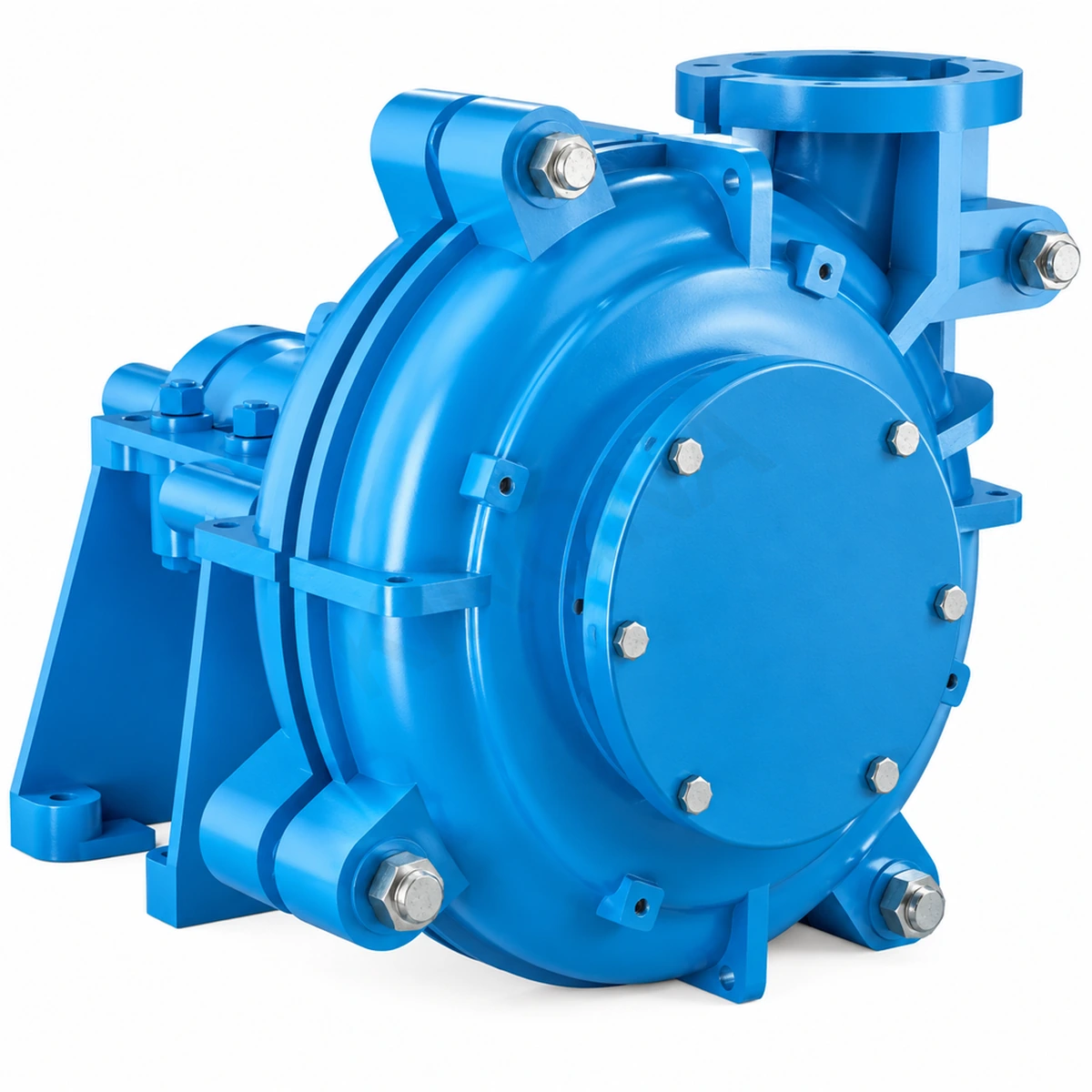
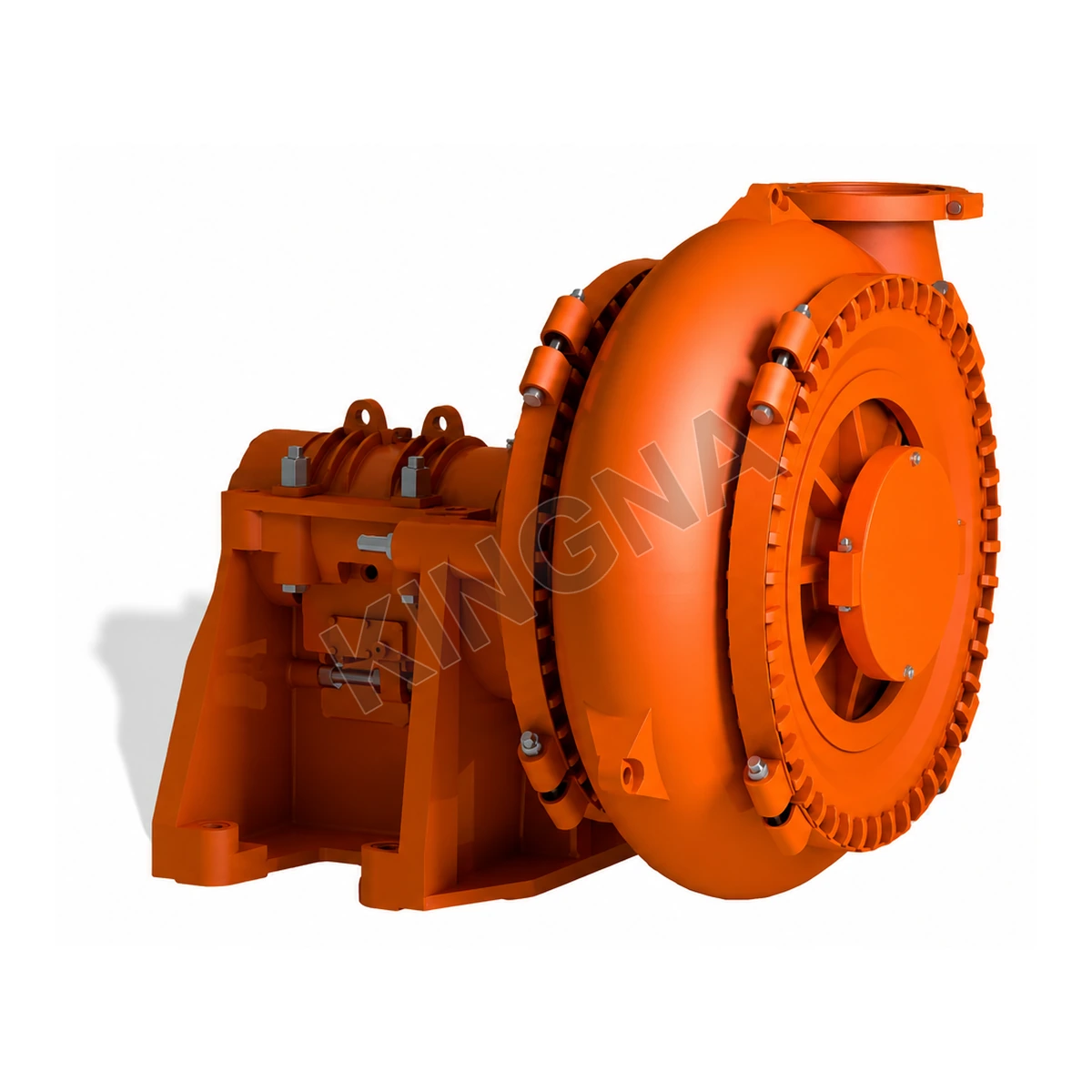
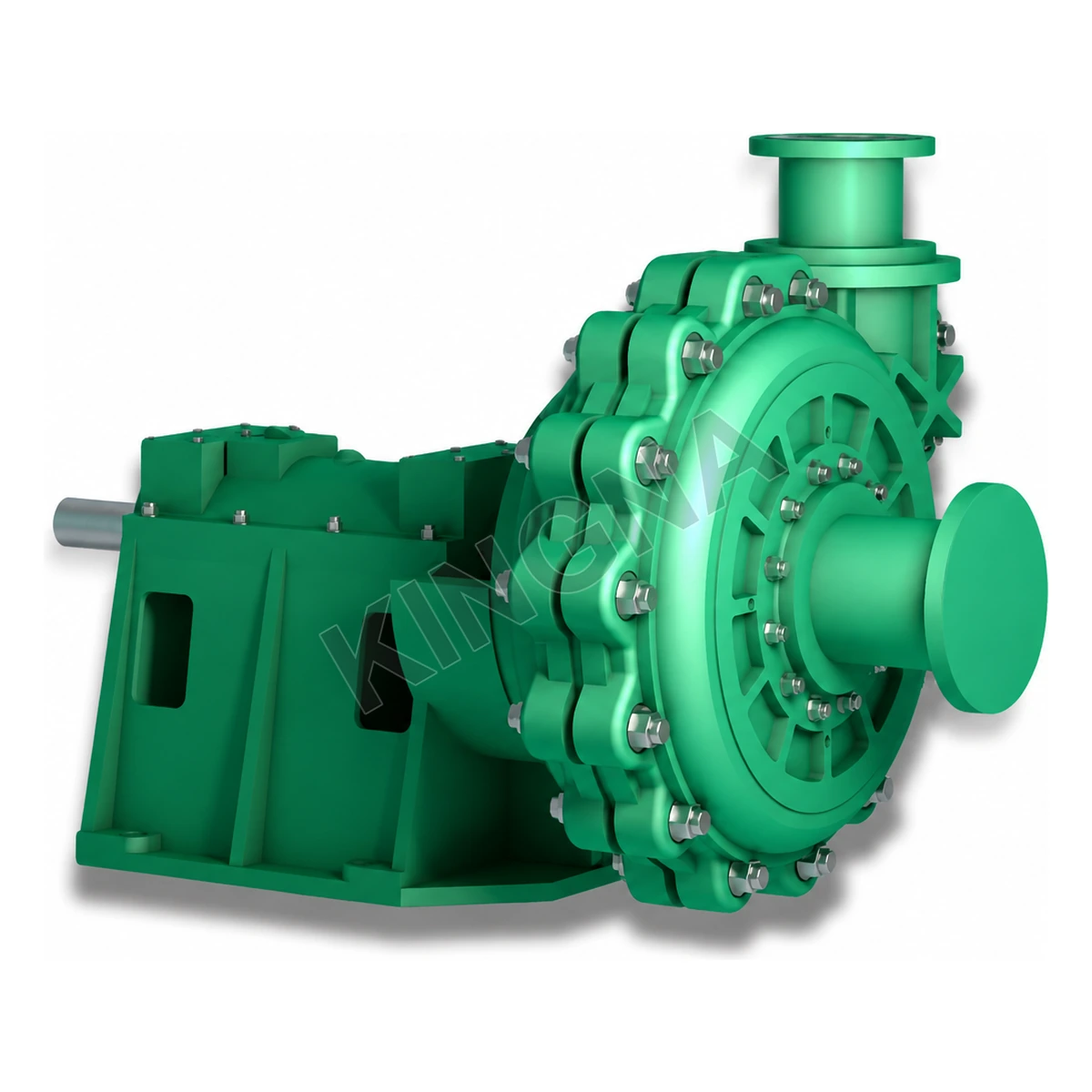
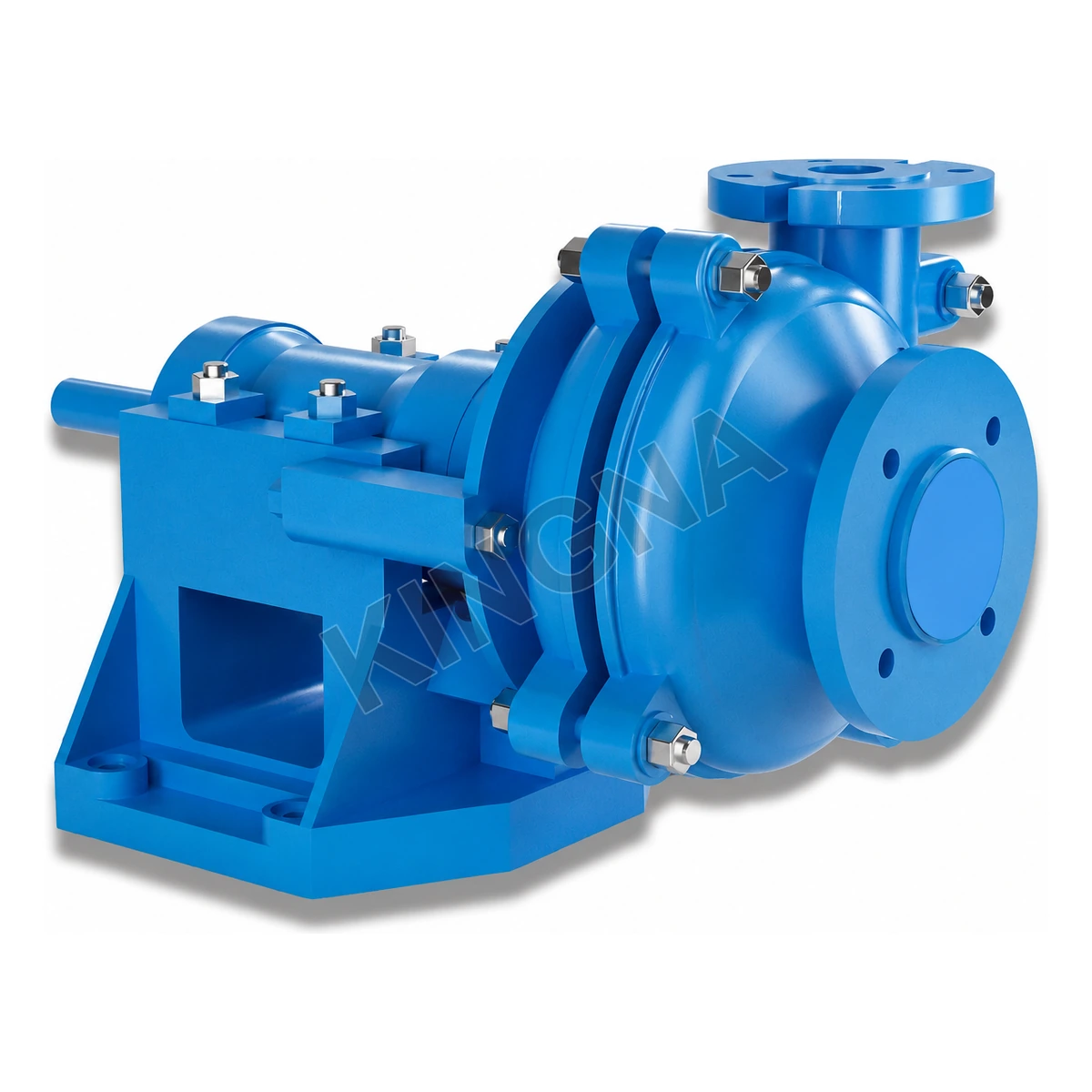
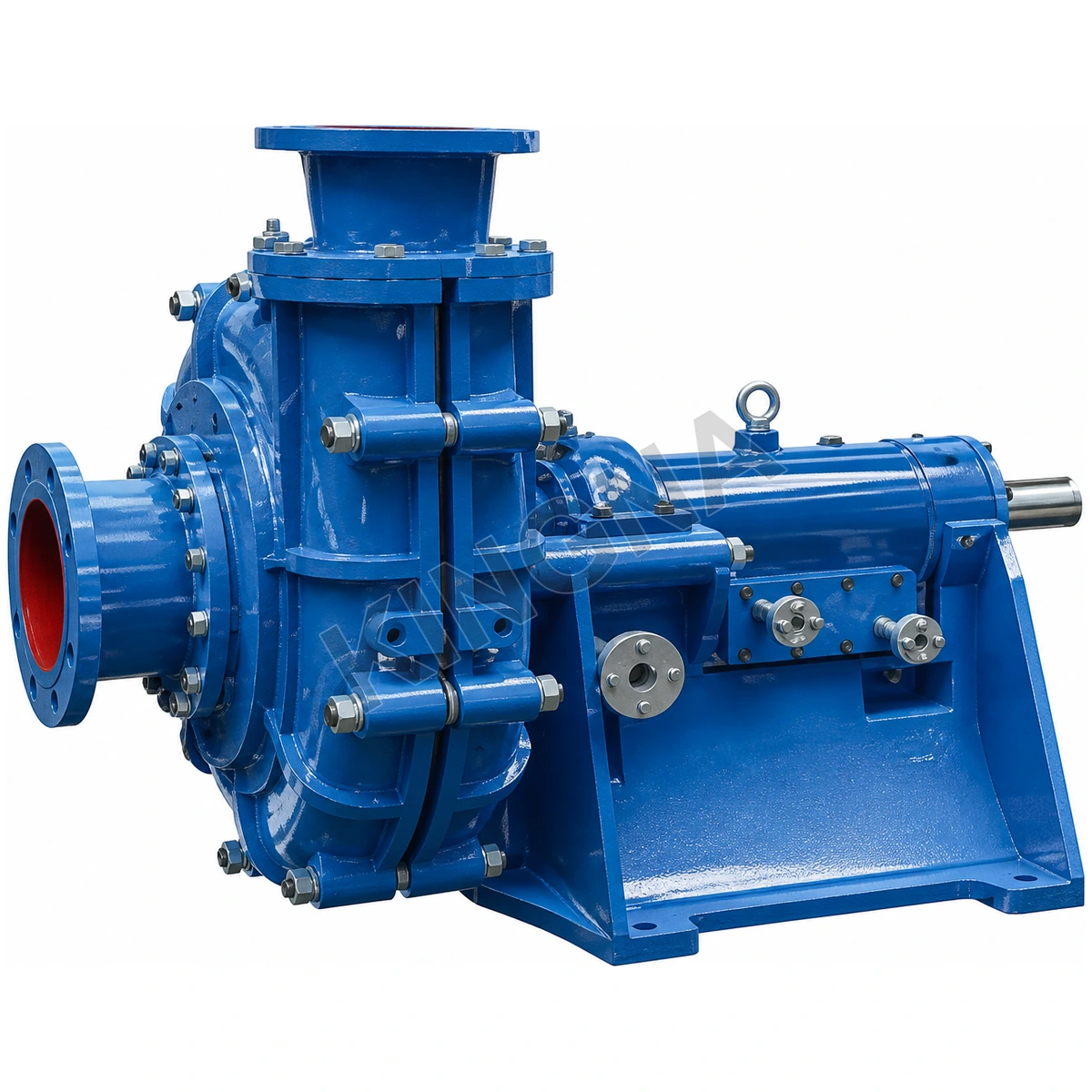
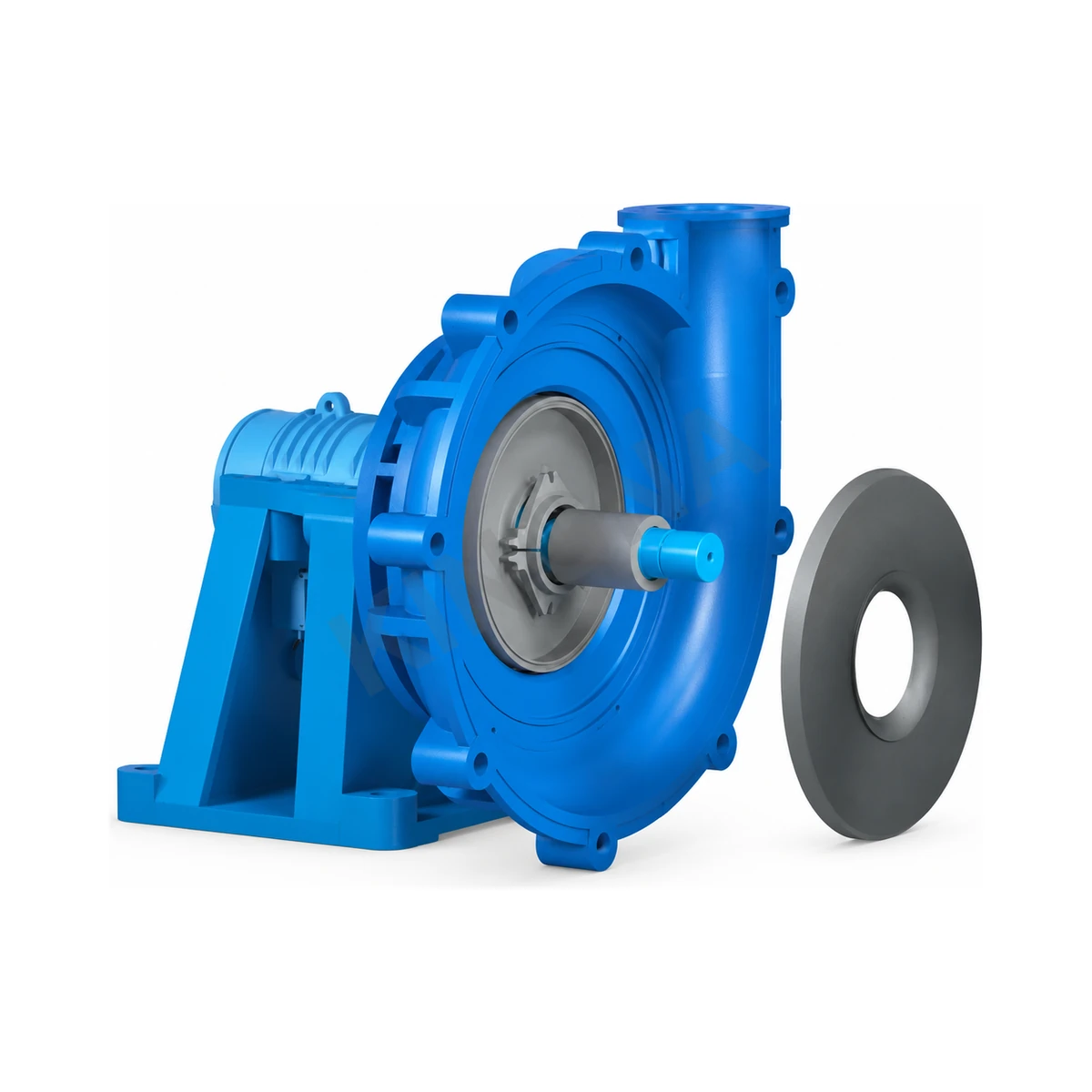
Replacement wet-end parts for horizontal slurry pumps: volute liner, impeller, front liner with throat bush, back liner, shaft sleeve and gland. The liner goes first because it takes the direct impact of the solids, and the clearance between liner and impeller is what sets the pump's head — replacing one without the other restores wall thickness and leaves the head where it was, which is why a full wet-end set is the usual first order. High-chrome white iron or rubber-lined, made to the pump model's OEM dimensions or to a buyer's drawing.
General Specifications
Parts SuppliedVolute liner, impeller, front liner with throat bush, back liner, shaft sleeve, gland
MaterialsHigh-chrome white iron; elastomer-lined option for coarse solids and lower heads
Dimensional BasisOEM dimensions of the pump model, or the buyer's drawing
Order BasisPart number confirmed against the pump model and its materials list
Minimum OrderOne part; a full wet-end set is the usual first order
ScopeWetted end only — bearing assembly, shaft and base are renewed separately
Max. Working Temperature≤ 80 °C
Materials & Coating
BodyHigh-chrome alloy (Cr27) / rubber lined, replaceable
Applications
Tailings and concentrate lines Mill discharge and cyclone feed Dredging and sand washing FGD and ash handling
What wears, and in what order
A slurry pump does not wear evenly. The volute liner and the front liner take the direct impact of the solids and go first; the impeller follows, at the vane tips and the shroud faces; the back liner lasts longest because the pressure is lower there. That order is why a pump that has lost head is usually a pump with a worn liner and a worn impeller at the same time, not one failed part.
The clearance between impeller and liner sets the pump's efficiency. Replacing the liner alone and keeping the old impeller restores the wall thickness and leaves the gap open, so the pump keeps running with the head loss it had before the rebuild.
How to order the right part
Two things identify the part: the pump model and its materials list. Send the model plate data, the part name, and a photo or drawing of the worn part; where the pump is a copy of an older pattern, send the drawing and the dimensions will be checked against it before casting.
The material choice is a duty decision, not a price decision. High-chrome iron holds up where the solids are hard and angular and the head is high; an elastomer-lined wet end lasts longer with coarse solids and lower heads, and does not chip. Sending the particle size, the solids concentration and the head lets the two be compared instead of guessed.
More from this series
Related guides