Almost every gate valve quotation comes down to one design decision that never appears on the data sheet: what the wedge is made of. A resilient wedge gate valve seals with a ductile-iron wedge encapsulated in EPDM rubber, compressed against a machined body seat. It closes bubble-tight, needs no seat grinding and no field lapping. A solid wedge gate valve seals metal on metal, with bronze or iron seat rings wedged into a tapered gate. It shrugs off temperature, steam and thermal cycling, and tolerates grit that would destroy rubber. Pick the wrong family and the valve either fails within months (rubber on hot service) or never seals properly (metal seats on gritty water). This guide explains how each design works, where each wins and loses, what the applicable standards actually specify, and the five questions that settle the choice on any project.
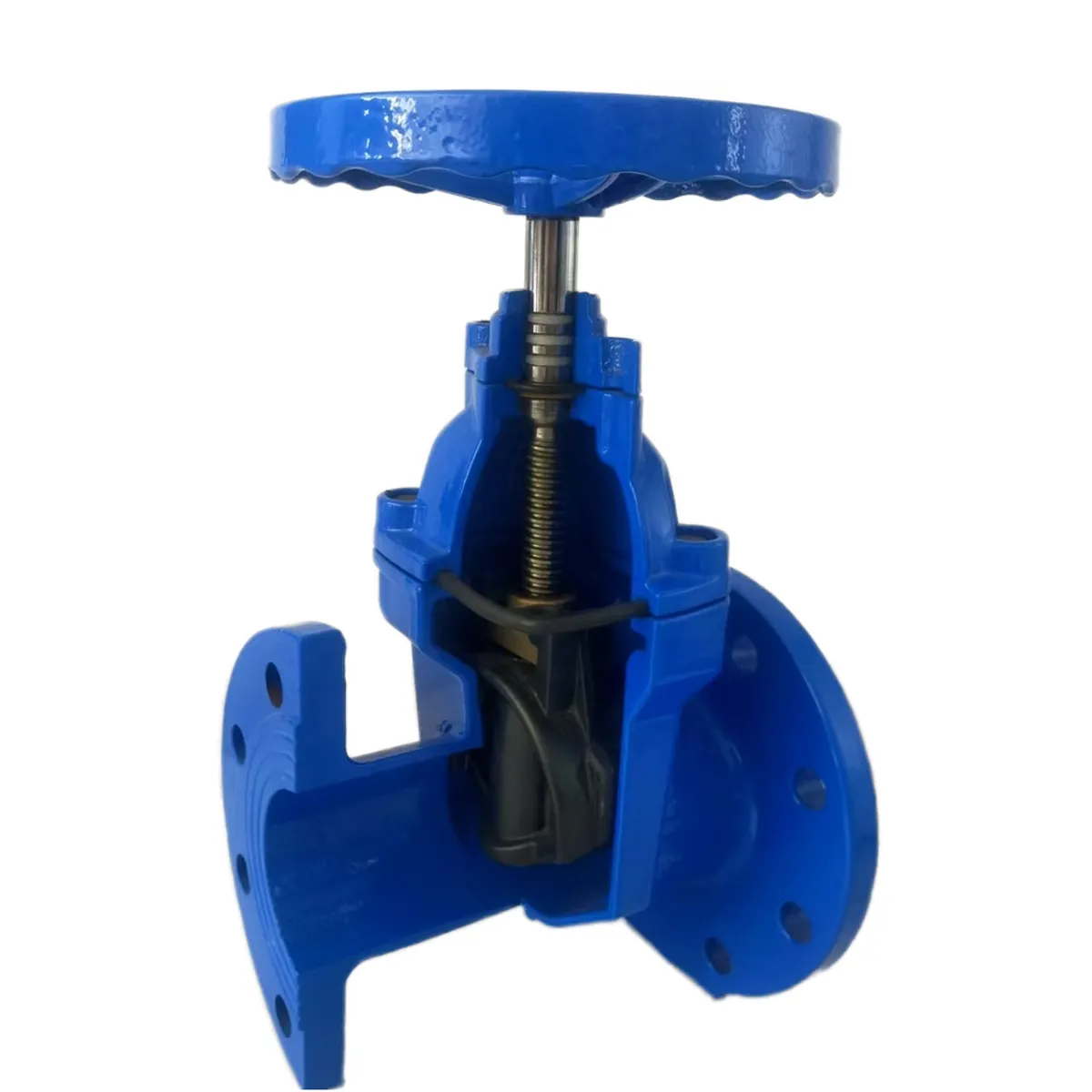
Two Families, One Job: Why the Wedge Is the Whole Decision
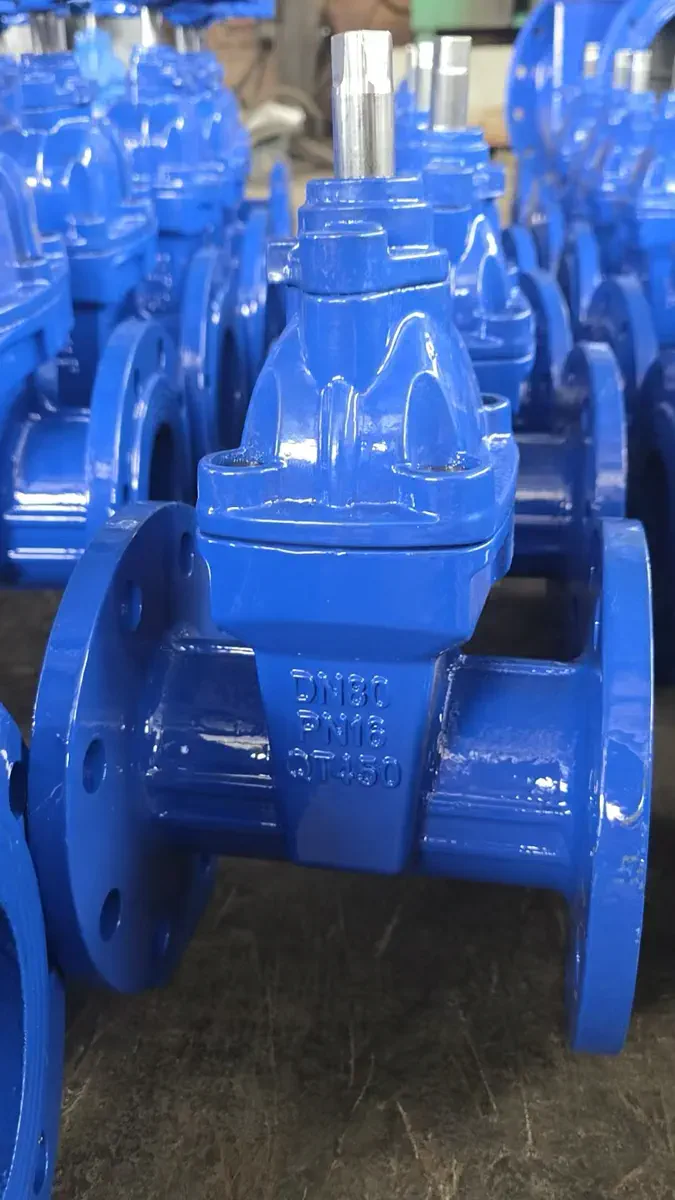
A gate valve has exactly one job: full-bore isolation, tight shutoff, and a wide-open pipe with almost zero pressure drop once it is reopened. Both families in this guide do that job, and both are full-bore, bidirectional valves that must never be used for throttling. What separates them is the sealing interface. That one difference drives price, temperature limits, media compatibility, maintenance cost and which standards the valve can be certified to.
The terminology in specifications decodes cleanly. A "resilient seated", "resilient wedge" or "soft seated" gate valve means the wedge carries an elastomer (almost always EPDM) that does the sealing. A "solid wedge" or "metal seated" valve means metal contacts metal at the seat. Waterworks valves in DN50-DN600 sold into the Gulf today are overwhelmingly resilient wedge. Solid wedge survives in steam, hot oil and high-temperature industrial lines, and in legacy specifications written before elastomer technology matured.
The failure modes are mirror images too. A resilient wedge fails when something attacks the rubber: temperature above its rating, hydrocarbons that swell EPDM, or abrasive slurry that cuts the rubber skin. A solid wedge fails when the metal seat interface is contaminated or corroded: grit lodged in the taper, corrosion pitting that grows during long idle periods, thermal distortion that lifts the wedge off its seats. Selecting correctly means matching the sealing principle to the actual threat in the line.
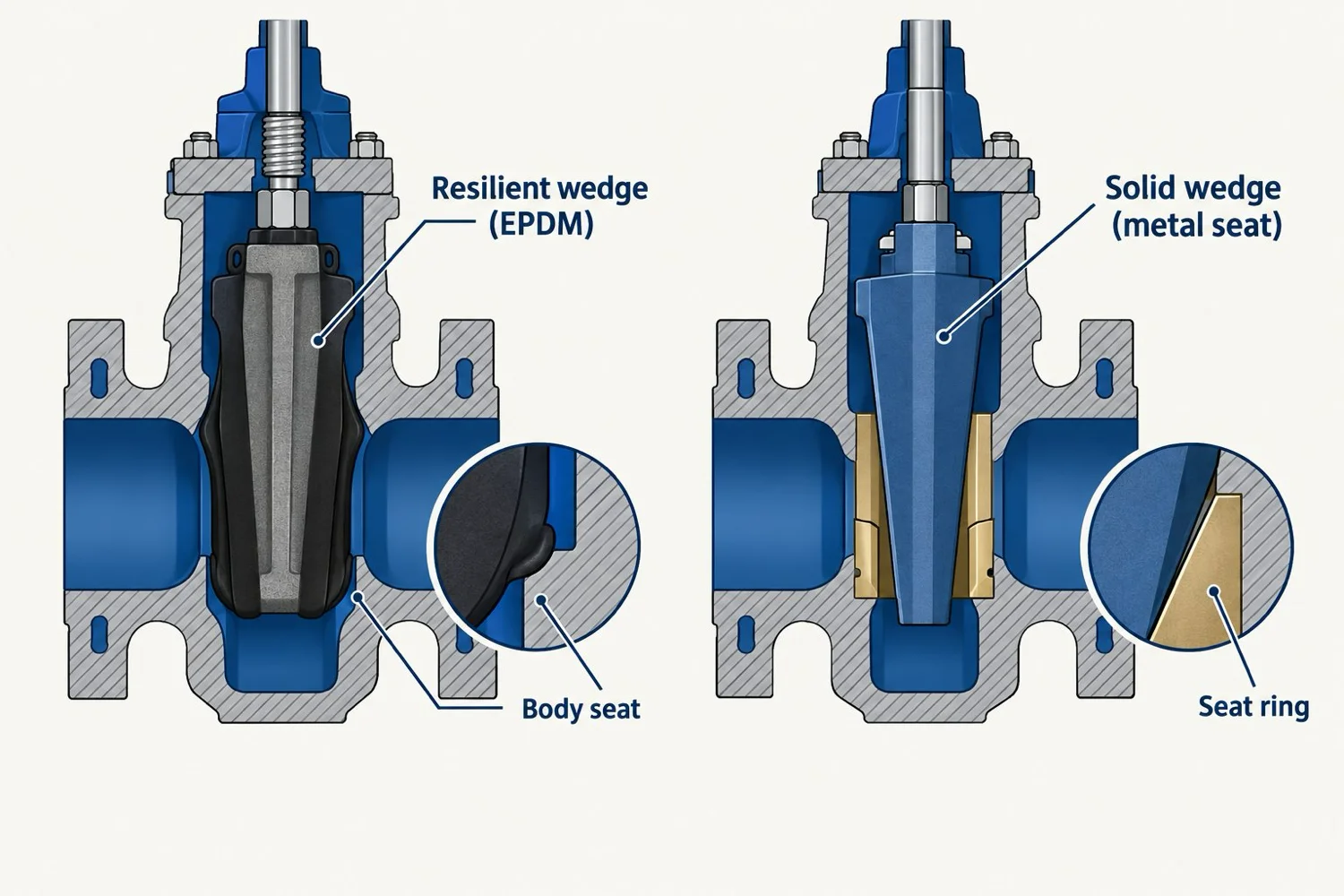
Inside a Resilient Wedge Gate Valve
The sealing concept is a rubber-to-metal compression joint. The wedge is a ductile-iron core encapsulated in a vulcanised EPDM shell, usually with a sealing lip around the full perimeter. The body seat is a smooth machined groove in the epoxy-coated body: no separate seat ring, no fasteners, nothing to loosen. When the wedge travels down onto the seat, the rubber compresses by a fraction of a millimetre and closes bubble-tight, typically tested to zero leakage at 1.1 times rated pressure under EN 1074-2 or AWWA C515 procedures.
Three engineering details separate a good resilient wedge valve from a cheap one. Rubber quality comes first: the EPDM compound must be rated for potable water (WRAS, KTW or ACS listed for drinking-water projects), must resist chloramination (standard EPDM degrades in chloraminated networks, and chloramine-resistant compounds exist for exactly that reason), and must be fully vulcanised to the core with no unbonded gaps where water can creep and corrode the iron underneath. The stem nut comes second: in the best waterworks designs it is captured inside the wedge in a trapezoidal groove, so stem thrust is carried by the wedge rather than cantilevered through the rubber. Wedge guidance comes third: the wedge should carry ribs or lugs that ride the body walls and keep the rubber from abrading against the seat during cycling.
The payoff is operational. A resilient wedge valve closes hand-tight, never needs seat lapping, tolerates a small amount of sand or construction debris at the seat (the rubber conforms around it), and holds zero leakage for decades in clean water. Its limits are equally clear. Continuous service temperature is generally capped at 80 °C for standard EPDM compounds, the rubber must never see steam or hydrocarbon media, and the valve should not be cycled thousands of times per day, because the rubber is a wear item in a way that metal is not.
Inside a Solid Wedge (Metal-Seated) Gate Valve
The solid wedge valve is the older and mechanically simpler design: a one-piece tapered wedge, usually ductile iron or cast steel, wedges into two mating seat rings. Those rings are bronze, brass or stainless, pressed or screwed into an iron body, or all-iron in heavy industrial versions. Closure is an interference fit between two machined tapers. There is no elastomer anywhere in the sealing path, which is both its virtue and its weakness.
The virtue: nothing in the sealing path has a temperature ceiling below that of the castings. A metal-seated wedge handles saturated steam, hot thermal oil, boiler feed lines and thermal cycling that would cook any rubber compound. It is also dimensionally stable over decades. Because the sealing faces are metal, the valve can be re-lapped and returned to service instead of discarded, which is why solid wedge remains the default in refineries, power plants and hot-oil systems.
The weakness is contamination. The joint is an interference fit between two rigid tapers, so any particle trapped at the seat prevents full closure. A grain of sand on a DN100 seat shows up as a visible drip, and a grit-laden stormwater line can leave a solid wedge valve permanently passing. Waterworks moved away from metal seats for this reason: grit is endemic in buried water networks, and the resilient wedge simply conforms around particles that a metal taper cannot.
A related hygiene issue matters for potable projects. The seat-ring pockets of a conventional metal-seated body form recesses where stagnant water sits, biofilm develops and corrosion starts. Modern resilient wedge bodies have a smooth, unobstructed waterway with no seat pockets at all. That is one reason EN drinking-water specifications and most GCC municipal tenders now effectively mandate the resilient design for buried potable service.
Head-to-Head: The Spec Table That Matters
The table below compresses the two families into the criteria that actually appear in project specifications. Use it as a screening tool, then check the two or three decisive rows (temperature, media and standard) against your line conditions before shortlisting.
| Criterion | Resilient Wedge (EPDM) | Solid Wedge (Metal-Seated) |
|---|---|---|
| Sealing principle | EPDM-encapsulated wedge compressed on machined body seat | Tapered metal wedge interference fit on seat rings |
| Shutoff class | Bubble-tight, zero leakage at 1.1 x PN (EN 1074-2 / AWWA C515) | Acceptable small leakage (API 598 / ISO 5208 rates); lapping needed for tightness |
| Max continuous temperature | About 80 °C for standard EPDM; special compounds a little higher | Limited only by casting: 200-425 °C depending on body material |
| Steam / hydrocarbons | Not permitted, rubber swells or degrades | Suitable (steam, thermal oil, gas per spec) |
| Grit / sand tolerance | Good, rubber conforms around particles | Poor, trapped grit causes permanent leakage |
| Potable-water hygiene | Excellent: smooth bore, no seat pockets, WRAS/KTW/ACS compounds | Seat-ring pockets harbour biofilm; declining acceptance |
| Maintenance | None in normal service; wedge is sacrificial if abused | Periodic re-lapping of seats; stem packing attention |
| Cycling duty | Moderate, rubber is a wear surface | High, metal faces survive frequent operation |
| Typical standards | EN 1074-1/2, DIN 3352 F4/F5, AWWA C515, BS 5163 (resilient) | BS 5163 (metal), GB/T 12232, API 600 for steel-body variants |
| Relative cost | Lower to similar in grey iron / DI range | Higher in cast-steel and alloy versions |
One caveat on the standards row: BS 5163 and EN 1074 cover both seat families, so seeing "BS 5163" on a datasheet does not by itself tell you which wedge is inside the box. The resilient or metal-seated designation must be stated explicitly. That omission is a common cause of wrong deliveries on refurbishment projects where only the old standard number was carried forward.
Where the Resilient Wedge Wins
Specify the resilient wedge whenever all of the following are true: the media is water (potable, raw, irrigation, HVAC chilled or low-temperature hot water below 80 °C), the operating temperature stays under the rubber rating, and the valve is expected to open and close on operator timescales rather than modulate continuously.
- Municipal transmission and distribution mains: buried, non-rising-stem, epoxy-coated ductile iron, the default worldwide. Bubble-tight shutoff and a crevice-free bore are non-negotiable for potable duty.
- Irrigation networks: sand in the media is normal, and the rubber seat shrugs off particles that would keep a metal taper passing.
- Fire protection systems: resilient seated valves are accepted in many FM/UL-listed assemblies where the specification allows; confirm listing status per project.
- HVAC and building services: chilled and low-temperature hot water circuits up to 80 °C, where zero-leakage isolation and maintenance-free operation justify the design.
- Pump suction and discharge isolation in clean service: full bore keeps suction losses negligible, and infrequent cycling suits the rubber seat.
Within the family, choose the stem configuration by access. Use a non-rising stem (NRS) in buried chambers with no headroom, and track stem position with an indicator or a nut extension. Use OS&Y (outside screw and yoke) in plant rooms and fire mains where a visible stem position is required. Neither affects the wedge choice, and both are available across the DIN and AWWA ranges: the DIN F4 NRS resilient valve for metric networks, the AWWA NRS resilient valve for US-spec waterworks, or the OS&Y resilient valve where stem position must be visible.
Where the Solid Wedge Wins
The solid wedge is not obsolete. It is excluded from the services listed above and dominant in others. Specify a metal-seated wedge when any of these apply:
- Saturated steam or condensate: rubber cannot survive there, so the standard isolation choice is a cast-steel solid wedge valve per API 600 or an iron-bodied metal-seated valve to BS 5163.
- Thermal oil and high-temperature circuits: 200 °C and beyond, with thermal cycling that distorts rubber long before it bothers a steel wedge.
- Hydrocarbon and gas service: EPDM swells badly in oils, so the compatible route is metal seats with suitable soft goods such as graphite packing.
- Frequent cycling in clean high-temperature duty: metal faces outlast rubber by orders of magnitude when the media carries no abrasive.
- Legacy plant standardisation: refineries and power stations stocked with re-lappable metal-seat valves keep one repair procedure and skip elastomer qualification entirely.
For the iron-body metal-seated versions still specified in industrial water, drainage and general service, the practical choices on this site are the DIN F4 metal-seated valve, the BS 5163 metal-seated valve, the GB metal-seated valve (Z45T) for Chinese-standard projects, and the OS&Y metal-seated valve (Z41T) where a rising stem is required. In all metal-seated procurement, insist on the seat material (bronze, brass or stainless), the leakage class under ISO 5208 or API 598, and whether the seats are renewable. An unrenewable seat converts a maintenance item into a replacement.
Materials, Coatings and the Standards That Decide Acceptance
Once the wedge family is settled, the specification conversation moves to the body, the coating and the standard. Body material is ductile iron for waterworks (EN-GJS-500-7 or ASTM A536) and cast steel (WCB) where temperature or pressure takes the iron out of range. Coating for buried and potable service is fusion-bonded epoxy, applied after full surface blast cleaning, minimum 250 µm, and certified for drinking-water contact under WRAS, KTW, ACS or NSF-61 depending on the market. The coating is not cosmetic: a pinhole in the epoxy on a buried ductile-iron body is a graphitisation site that can perforate the wall within a few years in aggressive soil.
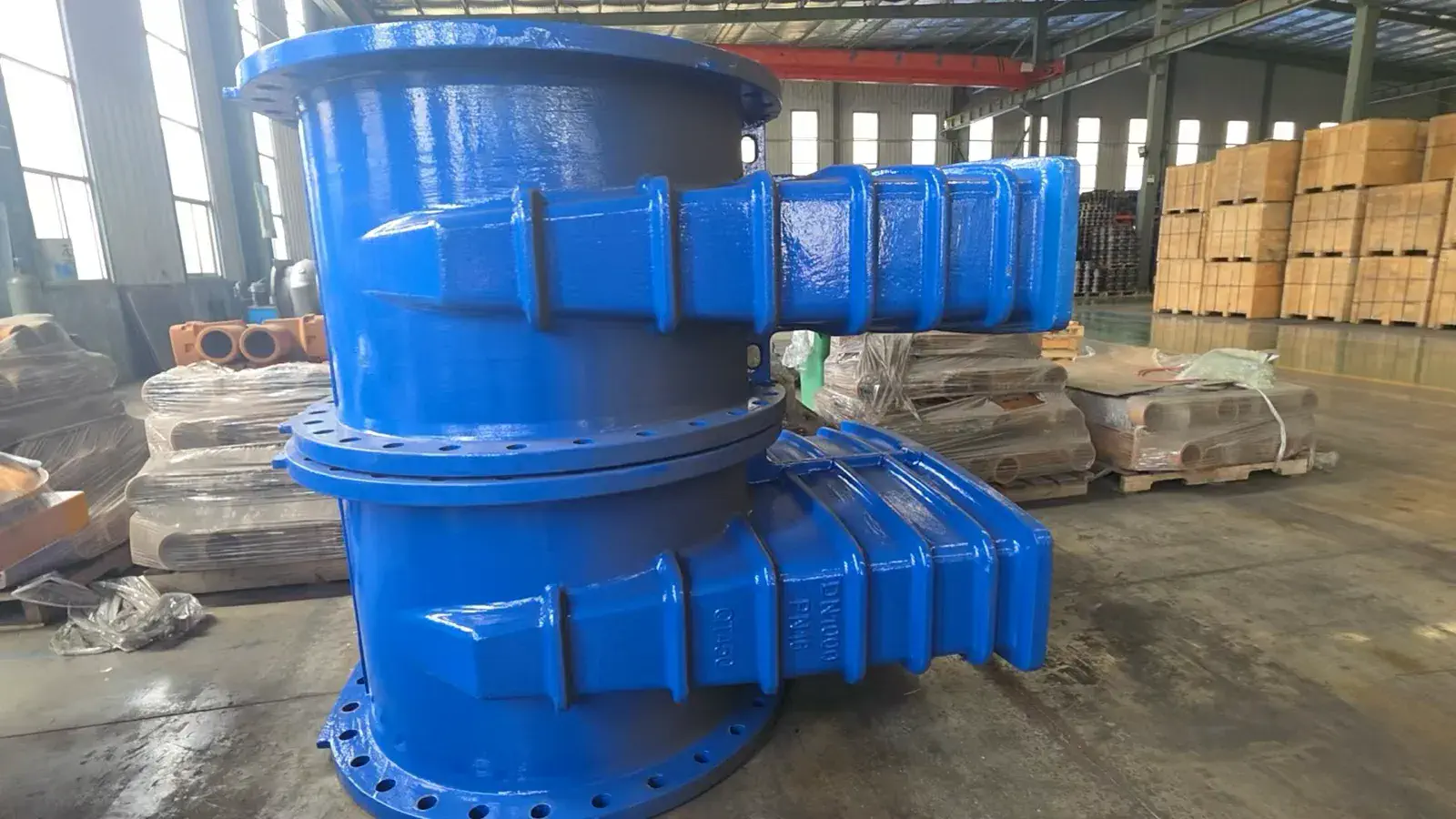
Standards interact with the wedge choice more than buyers expect. DIN 3352 defines the face-to-face lengths (F4 short, F5 long) and is the geometry reference across Europe and most of Asia; see the F4 resilient valve and the F5 resilient valve for the two patterns. AWWA C515 is the US waterworks standard, with reduced wall thickness compared with the older C509 and strict rubber and coating requirements; it is matched by the AWWA resilient valve and its OS&Y variant. EN 1074-1/2 adds fitness-for-purpose testing for potable water in Europe. For projects written to BS 5163, confirm the seat family explicitly as noted above, and for Chinese-standard tenders GB/T 12232 governs the GB metal-seated series.
Two cross-checks catch most wrong deliveries. First, face-to-face: an F4 valve will not bolt into an F5 pipeline gap or an AWWA C515 lay length, so the geometry must match the piping standard even when both valves are "the same DN and PN". Second, test pressure: EN 1074-2 and AWWA C515 test differently, so a valve certified to one is not automatically compliant with the other, and GCC municipal tenders increasingly demand dual certification evidence rather than an equivalence letter.
Procurement Checklist: Five Questions That Settle It
Before accepting any gate valve quotation, answer these five questions in order. They resolve the wedge decision and the specification details that actually cause site problems.
- What is the media and maximum continuous temperature? Water or HVAC duty below 80 °C points to resilient wedge; anything with steam, thermal oil or hydrocarbons points to solid wedge in the appropriate body material. If the answer is borderline, qualify a high-temperature EPDM compound in writing or move up a family. Do not leave it to the supplier's judgement.
- Is there grit or sediment in the line? Irrigation, raw water and stormwater services favour the resilient wedge even more strongly than clean water does, because the rubber seat tolerates particles. A solid wedge in gritty service is a guaranteed passing valve within the first year.
- Which piping standard sets the geometry? Fix DIN F4/F5, AWWA C515, BS 5163 or GB/T first, then order valves to that face-to-face and flange standard. Mixed-standard plants accumulate conversion spools that leak and cost more than the valves saved.
- What shutoff class does the specification demand? Bubble-tight at 1.1 x PN is standard resilient wedge territory. If the line tolerates an ISO 5208 / API 598 leakage class, a metal seat may be acceptable, but do not accept a leakage allowance on a potable main where the spec says zero.
- What does the drinking-water approval require? For potable duty, demand EPDM and epoxy certifications (WRAS / KTW / ACS / NSF-61) with the offer, and for buried valves confirm the epoxy thickness and holiday-test record. Approvals cost the factory real money, so quotations that arrive without them are usually not the same valve.
Applied honestly, this checklist sends the overwhelming majority of water and infrastructure work to the resilient wedge family, and that is the correct outcome. The solid wedge keeps its ground in steam, thermal oil and high-temperature industrial isolation, where nothing else makes sense. Specifying by media and temperature first, standard second and price last is what keeps a gate valve buried and forgotten for thirty years, which is exactly what a gate valve is for.
Frequently Asked Questions
Related Products
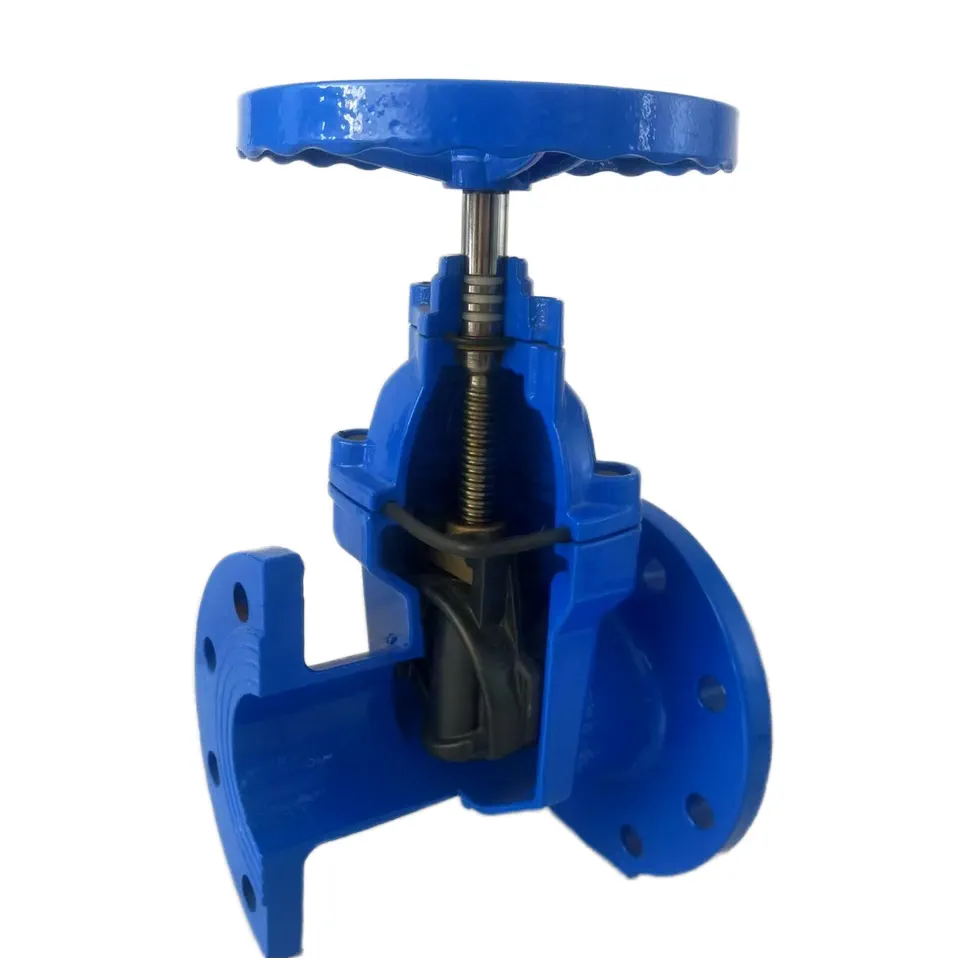
Resilient Seated Gate Valve (NRS)
S4 / S5 · DN40 – DN600 · BS5163 / EN 1074-2
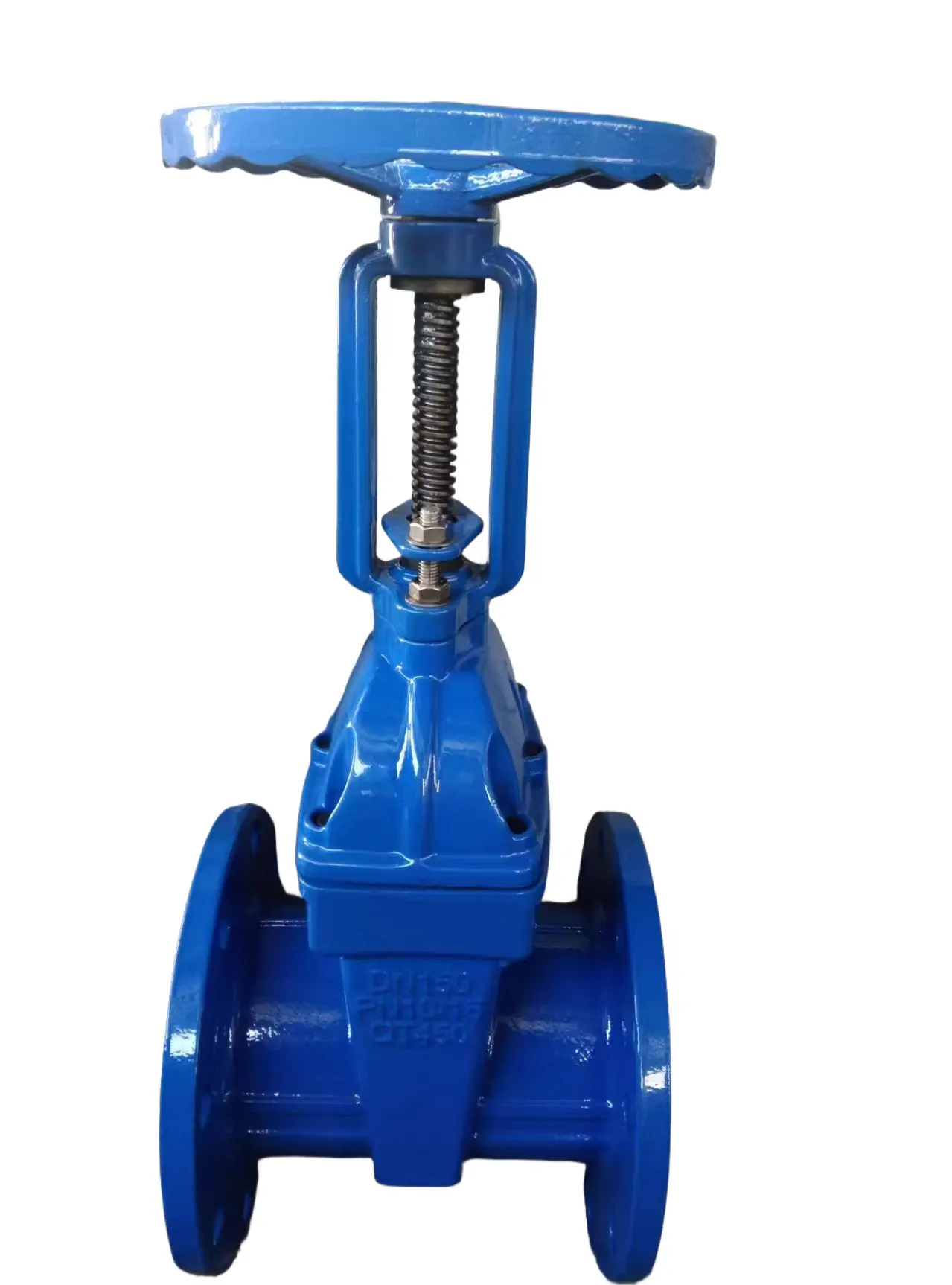
OS&Y Resilient Seated Gate Valve
OS&Y · DN40 – DN600 · GB / BS5163 / DIN F4 / AWWA
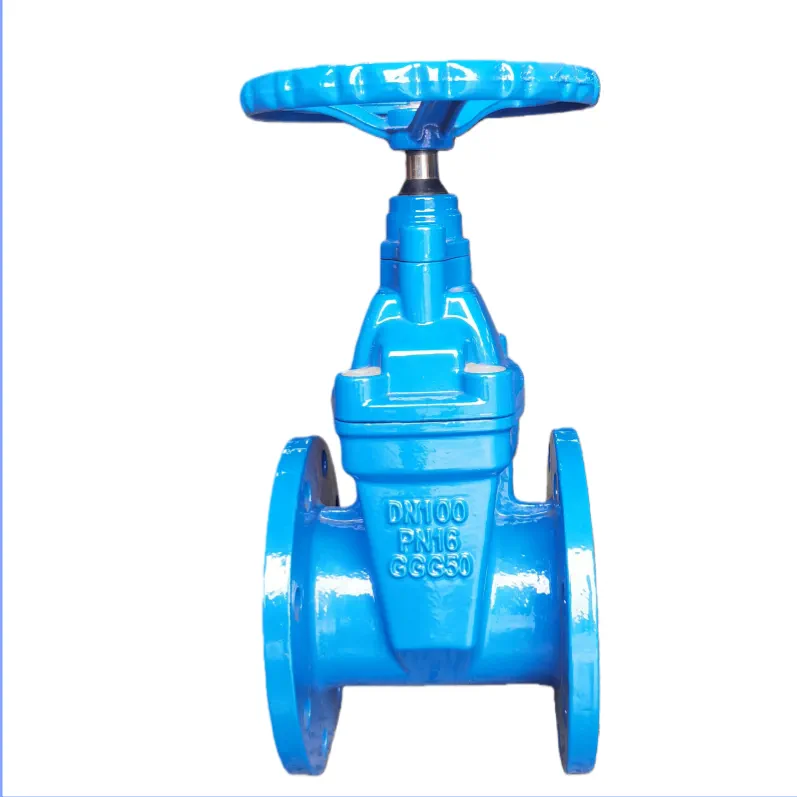
DIN F4 Resilient Gate Valve (NRS)
DIN 3352 F4 · DN50 – DN600 · PN10/16
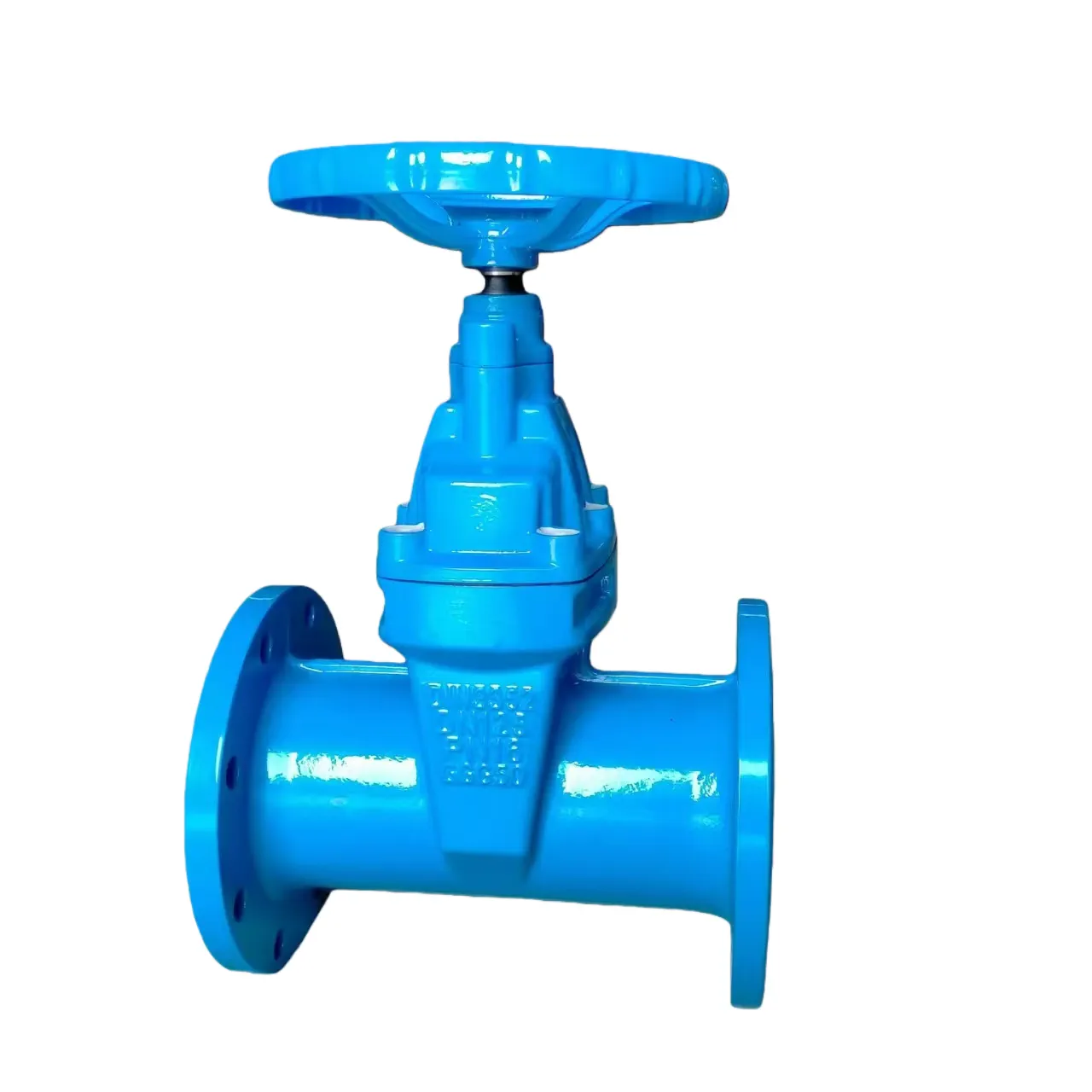
DIN F5 Resilient Gate Valve (NRS)
DIN 3352 F5 · DN40 – DN600 · PN16
AWWA Resilient Gate Valve (NRS)
AWWA C509 / C515 · DN40 – DN600
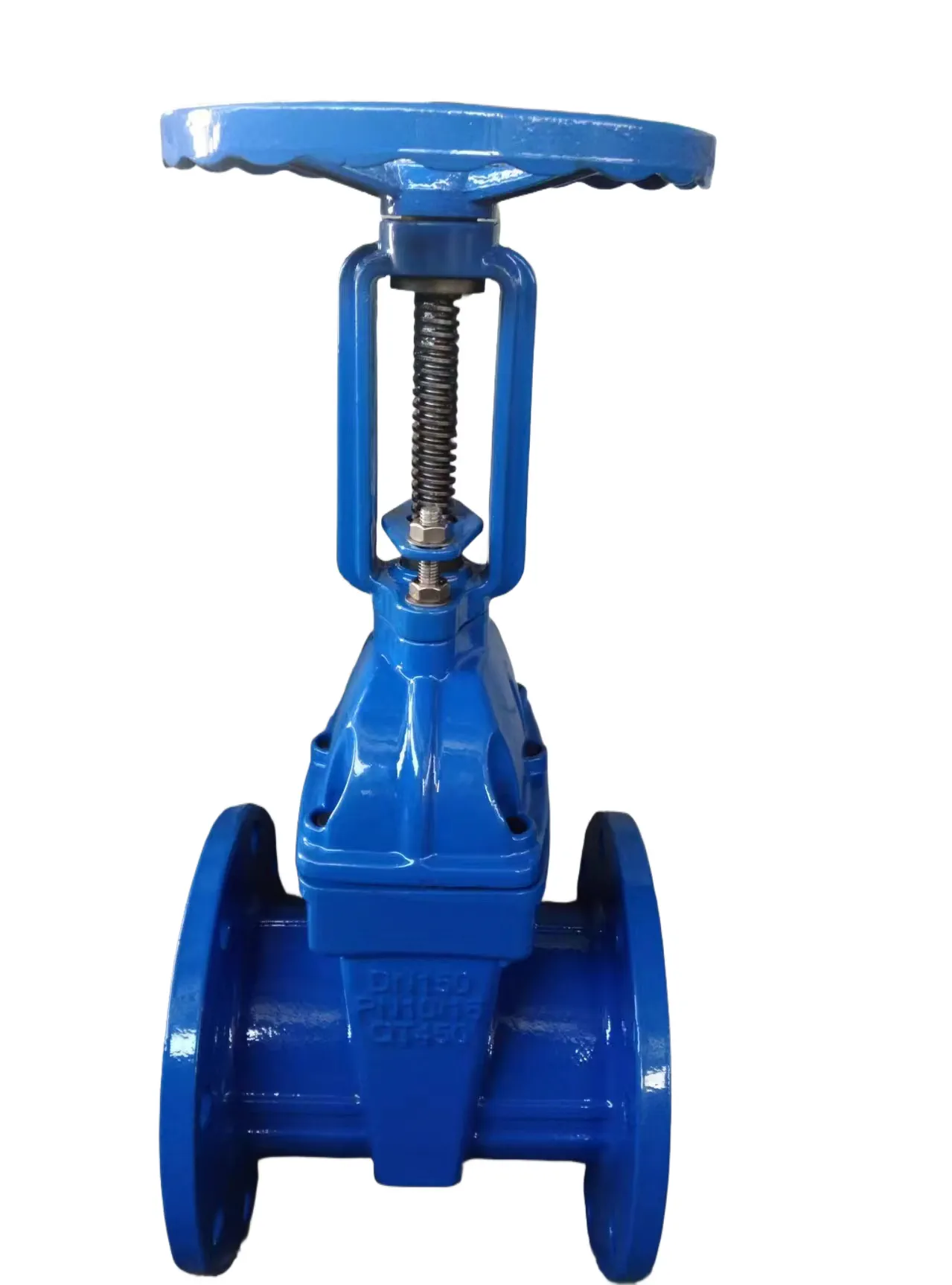
AWWA Resilient Gate Valve (OS&Y)
AWWA C509 / C515 · DN40 – DN600