

For buyers deciding whether an OS&Y gate valve fits a fire or water-network line, the decision starts with how valve position will be checked: visually at the valve, remotely through a supervisory switch, or from ground level above a buried valve. Four existing KINGNA articles cover standards coordination, sealing-face design, valve-body materials, and operating access (who can open the valve); this guide focuses on the rising-stem structure and how to see or report valve position.
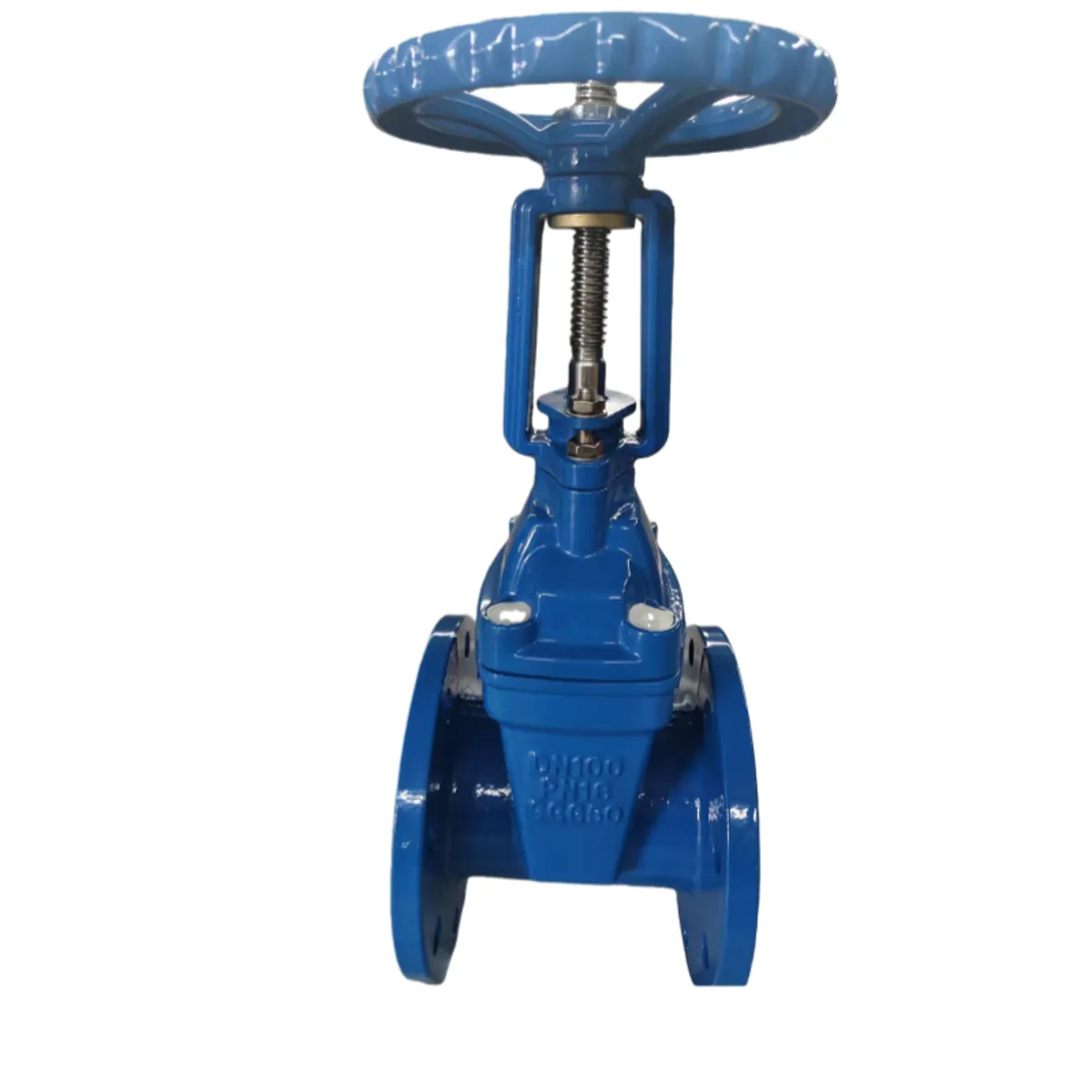
OS&Y vs NRS: what can you see?
OS&Y means the valve has a rising stem. As the valve opens, its opening height is directly visible. Factory product documentation describes Z41X soft-seated and Z41T hard-seated OS&Y gate valves as intended for fire networks, with their visible opening height as the reason they are generally installed at a relatively high position above ground.
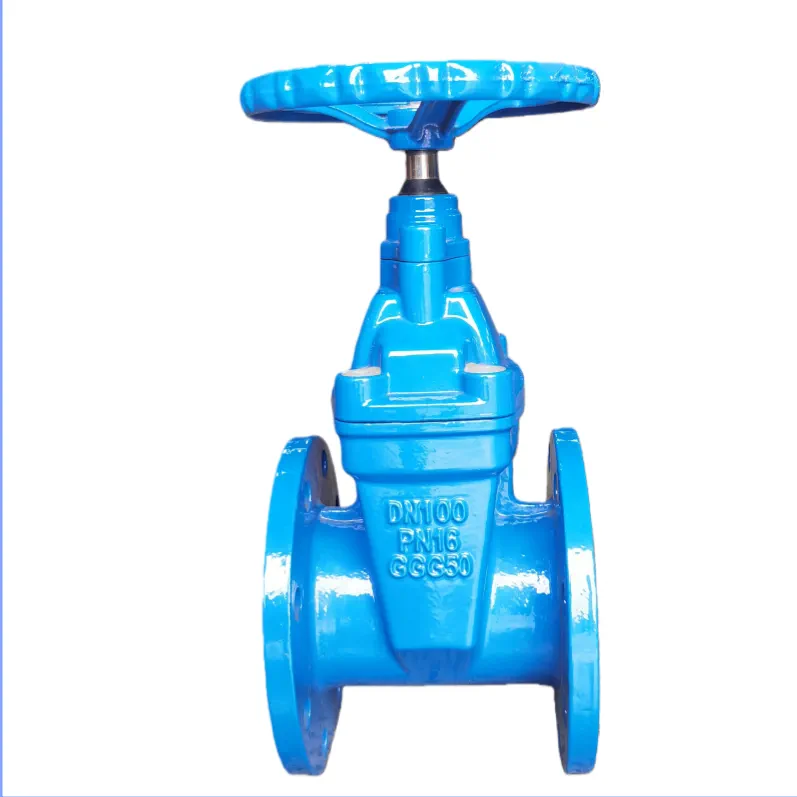
An NRS valve has a non-rising stem. The listed KINGNA DIN F4 NRS product cannot be visually positioned by looking at the valve. It is listed for buried installations or locations with limited space. In an osy gate valve vs gate valve comparison, the difference is stem visibility: an OS&Y valve shows stem position; the NRS comparison product does not.
For an above-ground line where staff need to check the valve locally, consider the DIN F4 OS&Y resilient gate valve. For a buried or space-restricted location, compare it with the DIN F4 NRS gate valve. The site lists DIN 3352 F4 for these products, but the standard designation and listed size and pressure details require factory confirmation.
Choose how the valve position will be checked
Visible stem movement is one option. It is not the only way to check position. Match the indication method to the location and the inspection task.
A rising stem supports a local visual check, but it does not send a position signal to a control room. If remote reporting is required, the Fire Signal Gate Valve is listed with an integral limit switch that reports open or closed status to a control room and connects to a fire control panel. Its listed contact type is SPDT. The product page describes this as "NFPA-aligned practice"; that wording should not be treated as a certification or as confirmation of a particular NFPA edition.
For a buried valve, the site lists an extension stem and an optional indicator post for reading and operation from ground level. Confirm the extension and indicator-post arrangement for the project before ordering.
| Position-check method | Product example | Where the check is made | Listed application or note |
|---|---|---|---|
| Rising stem | DIN F4 OS&Y valve or OS&Y resilient seated gate valve | Locally, by sight | Fire mains, pump rooms, and above-ground lines; factory documentation says these valves are generally installed higher above ground |
| Supervisory switch | Fire Signal Gate Valve | Remotely, at the fire control panel | Sprinkler mains, hydrant lines, and fire pump rooms |
| Bonnet-mounted dial | Position Indicator Gate Valve | Locally, with a dial reading | Listed for utility networks, distribution chambers, and lines requiring inspection confirmation |
| Extension stem and indicator post | Buried Gate Valve | From ground level | Listed for buried installation; the indicator post is optional |
| Non-rising stem | DIN F4 NRS valve | Not visually positionable at the valve | Listed for buried or space-restricted locations |
Check the listed specification before ordering
The DIN F4 OS&Y product page lists DN50–DN600, PN10/16, and an EPDM resilient seat. These are typical listed ranges, not confirmed specifications; confirm them with the factory. The site also lists DIN 3352 F4, but whether the valve is supplied to that standard is unconfirmed. Do not treat the listing as proof of compliance.
The multi-standard OS&Y product page lists GB, BS5163, DIN F4, and AWWA. Those listed standards also require factory confirmation. Ask the supplier to confirm the required standard, nominal size, pressure rating, connection and flange drilling details, and structure length for the exact selection. Connection details are not confirmed in the available product information.
For the factory-documented OS&Y variants, the body is ductile iron with an epoxy coating. The soft-seated Z41X variant uses an EPDM flat plate made by vulcanization. The hard-seated Z41T variant uses copper-alloy overlay on the body sealing face and valve plate. These construction details do not establish an operating temperature range, coating thickness, or drinking-water suitability; those points are not published here and should be confirmed for the order.
What to confirm for a fire signal valve
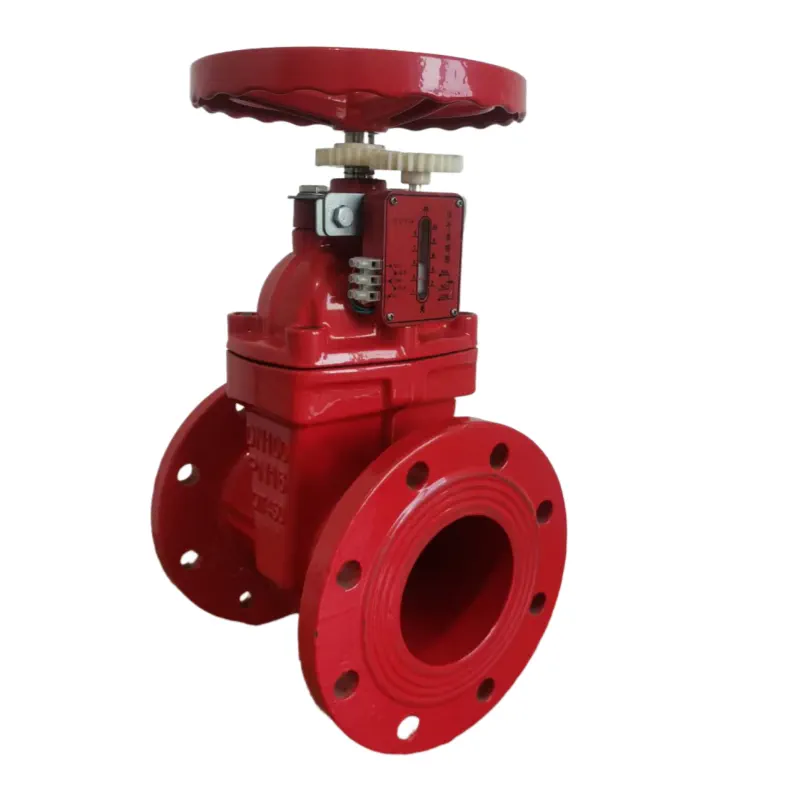
When considering an osy gate valve with tamper switch, distinguish the valve's visible rising stem from the signal function. The Fire Signal Gate Valve is listed with an integral limit switch, SPDT contacts, and a connection to the fire control panel for open/closed status reporting.
The listing does not state voltage, contact capacity, cable requirements, or the switch's operating method. Request these electrical details and confirm the required panel connection before selection. The product page's phrase "NFPA-aligned practice" is reproduced as listed; no edition, clause, or certification is specified.
Price and purchase checks
No confirmed price is published in the available product information. An osy gate valve price should be requested for the specific valve and indication arrangement, with the required size, pressure rating, standard, and connection details stated in the inquiry. Price, minimum order quantity, and lead time are not published here and should be confirmed by the factory.
Before placing an order, confirm whether the requirement is local visual indication or remote status reporting; whether the valve is above ground or buried; and which listed product configuration is being quoted. For buried installations, confirm whether the optional indicator post is included. For signal valves, confirm the electrical interface. Treat listed size, pressure, and standard details as subject to factory confirmation.
Reference sources
- KINGNA, DIN F4 Resilient Gate Valve (OS&Y)
- KINGNA, OS&Y Resilient Seated Gate Valve
- KINGNA, DIN F4 Resilient Gate Valve (NRS)
- KINGNA, Fire Signal Gate Valve
- KINGNA, Buried Gate Valve (MZ45X / MZ45T)
- KINGNA, Position Indicator Gate Valve
Frequently Asked Questions
Related Products
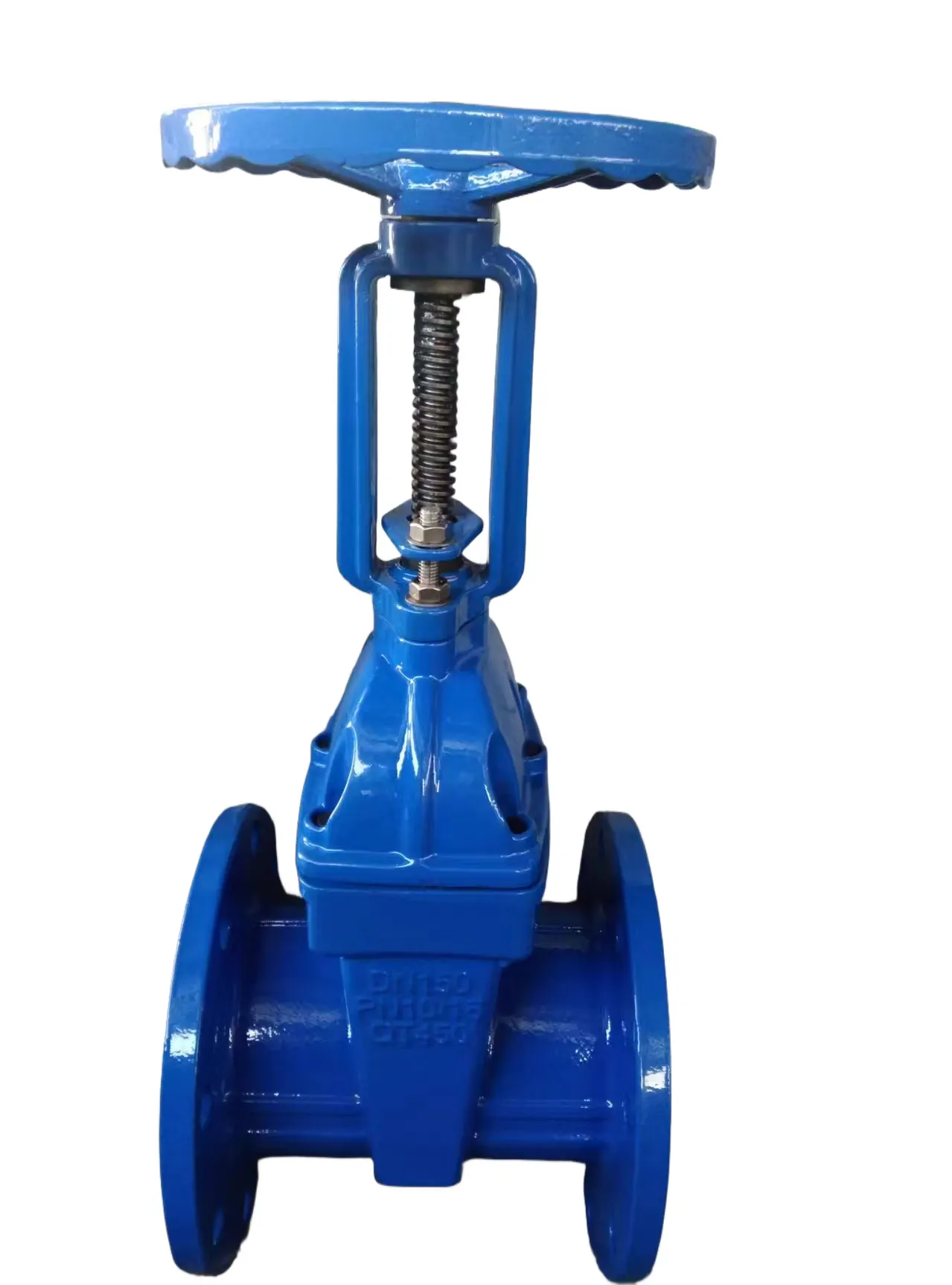
OS&Y Resilient Seated Gate Valve
OS&Y · DN40 – DN600 · GB / BS5163 / DIN F4 / AWWA
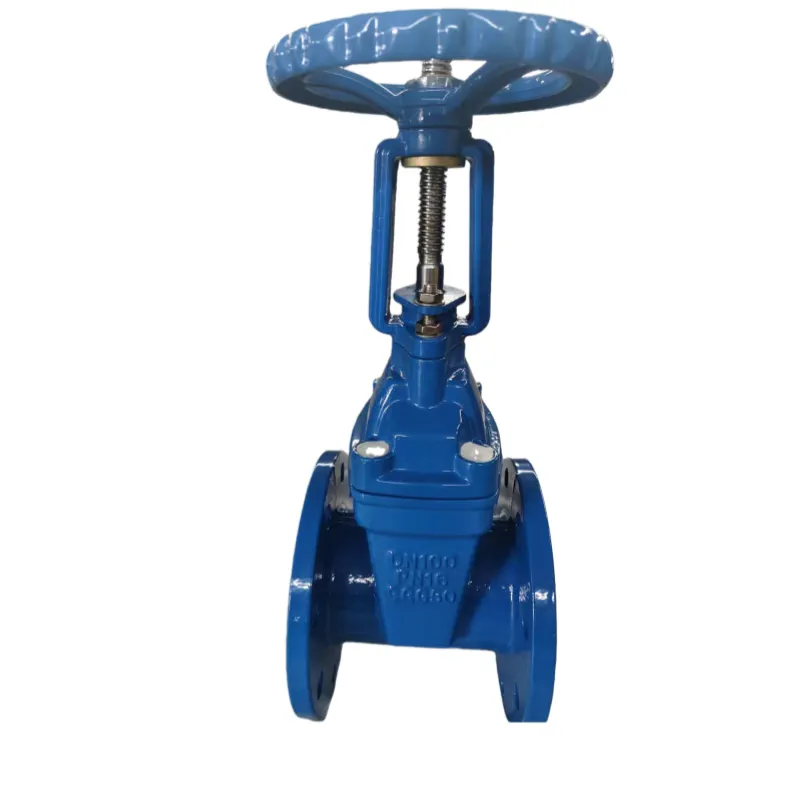
DIN F4 Resilient Gate Valve (OS&Y)
DIN 3352 F4 · DN50 – DN600 · PN10/16
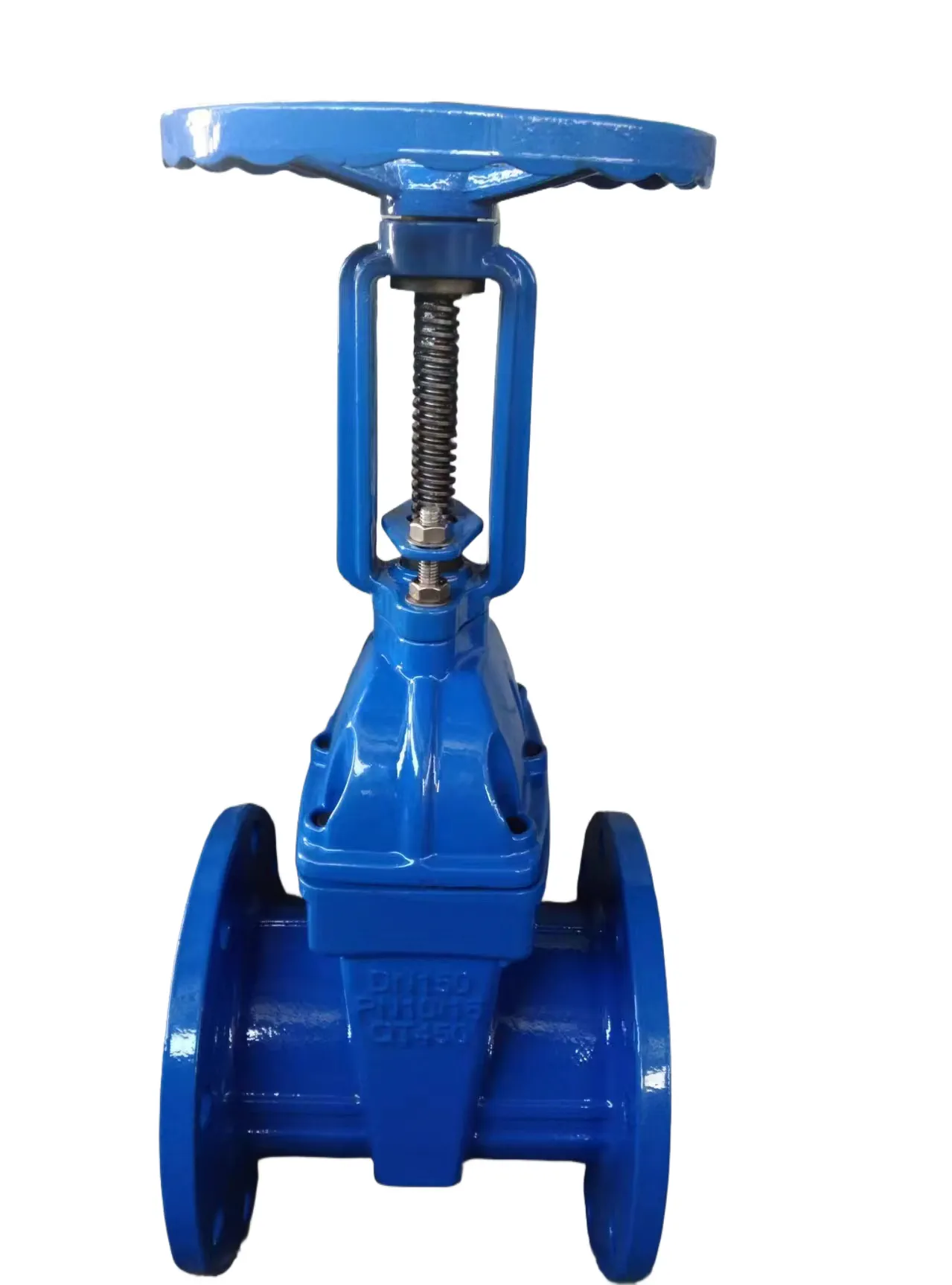
AWWA Resilient Gate Valve (OS&Y)
AWWA C509 / C515 · DN40 – DN600
OS&Y Metal-Seated Gate Valve (Z41T)
Z41T · Rising stem
Fire Signal Gate Valve
Fire signal switch type