
Choose a lockable gate valve when the main question is who may operate a water-network valve; choose an indicator or signal valve when the main question is how to confirm its position. KINGNA's earlier gate-valve guides address the sealing pair (*resilient-vs-solid-wedge*), standards matching (*waterworks-valves-guide*, including AWWA and BS5163), and body materials (*valve-materials-guide*). This guide stays with a different decision: who can open the valve, and how can operators confirm whether it is open or closed?
Which type fits the operating requirement?
Separate access control from position confirmation first. A lock restricts operation, but it is not a position report on its own. An indicator or signal switch lets staff check status, but it does not replace a lock.
These are different answers to different operating problems. Specify the required action first: prevent opening, secure a closed valve, make its position visible, report its status, or operate it remotely.
| Requirement | Product to consider | How it works | Listed application |
|---|---|---|---|
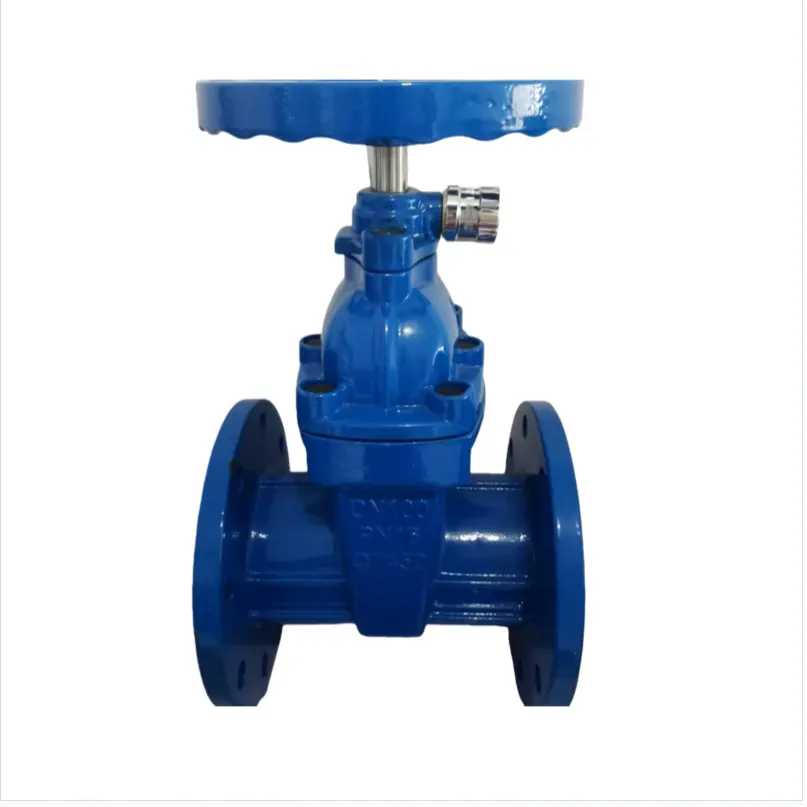
| Restrict opening at a user branch | Magnetic Lock Gate Valve | An encrypted magnetic lock head requires its dedicated magnetic key | User branches, prepaid-meter schemes, areas where water theft is a concern |
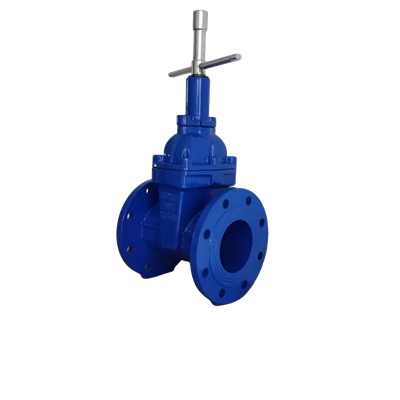
| Lock a valve in the closed position | Side Lock Gate Valve (SZ41X / SZ45X) | A side-mounted locking point and magnetic interlock restrict unauthorized operation | Meter pits, household connections, tenant billing lines |
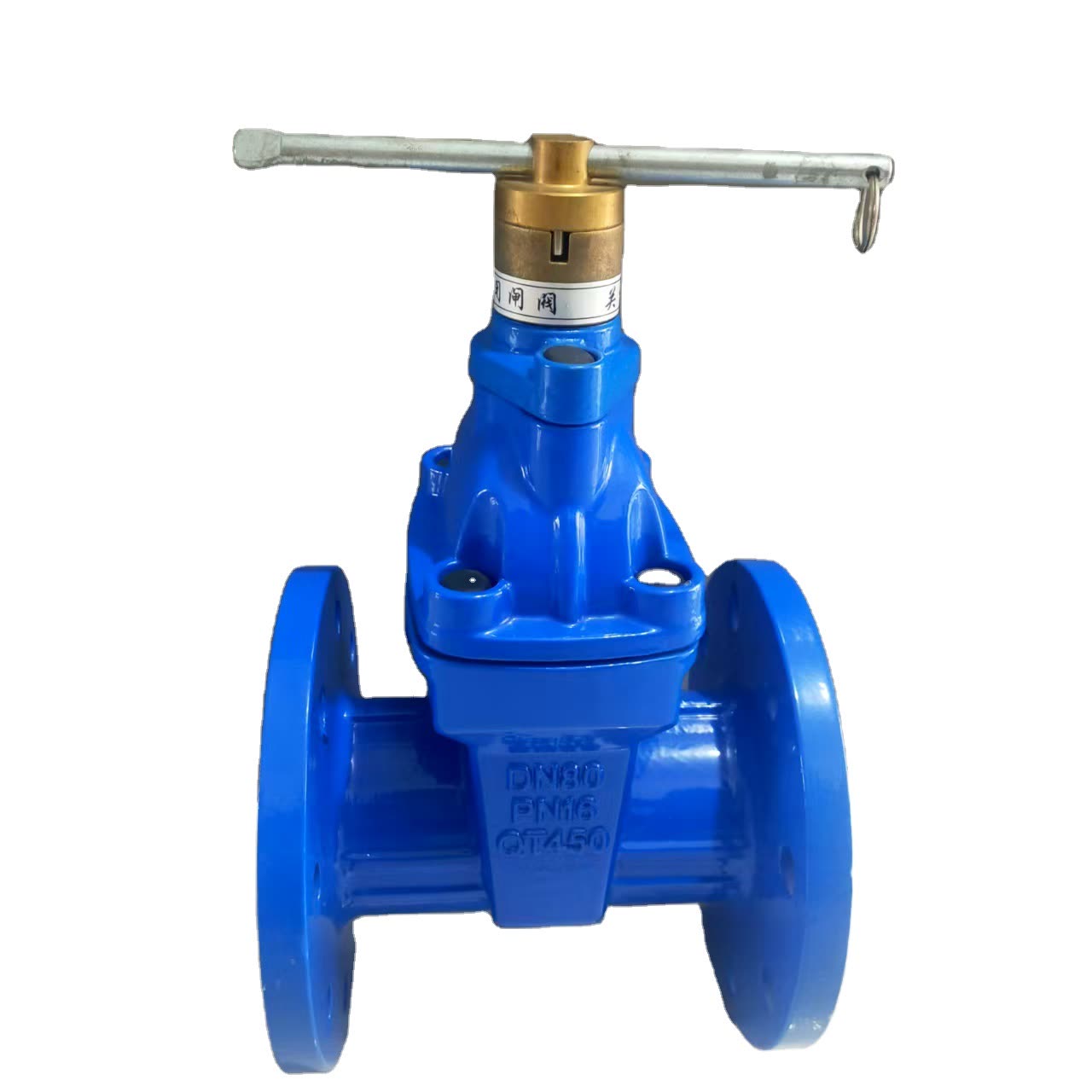
| Restrict utility operation of a meter bypass | Mechanical Lock Gate Valve | An integrated triangular lock head requires a dedicated utility tool | Meter bypasses, utility connections, non-revenue-water management |
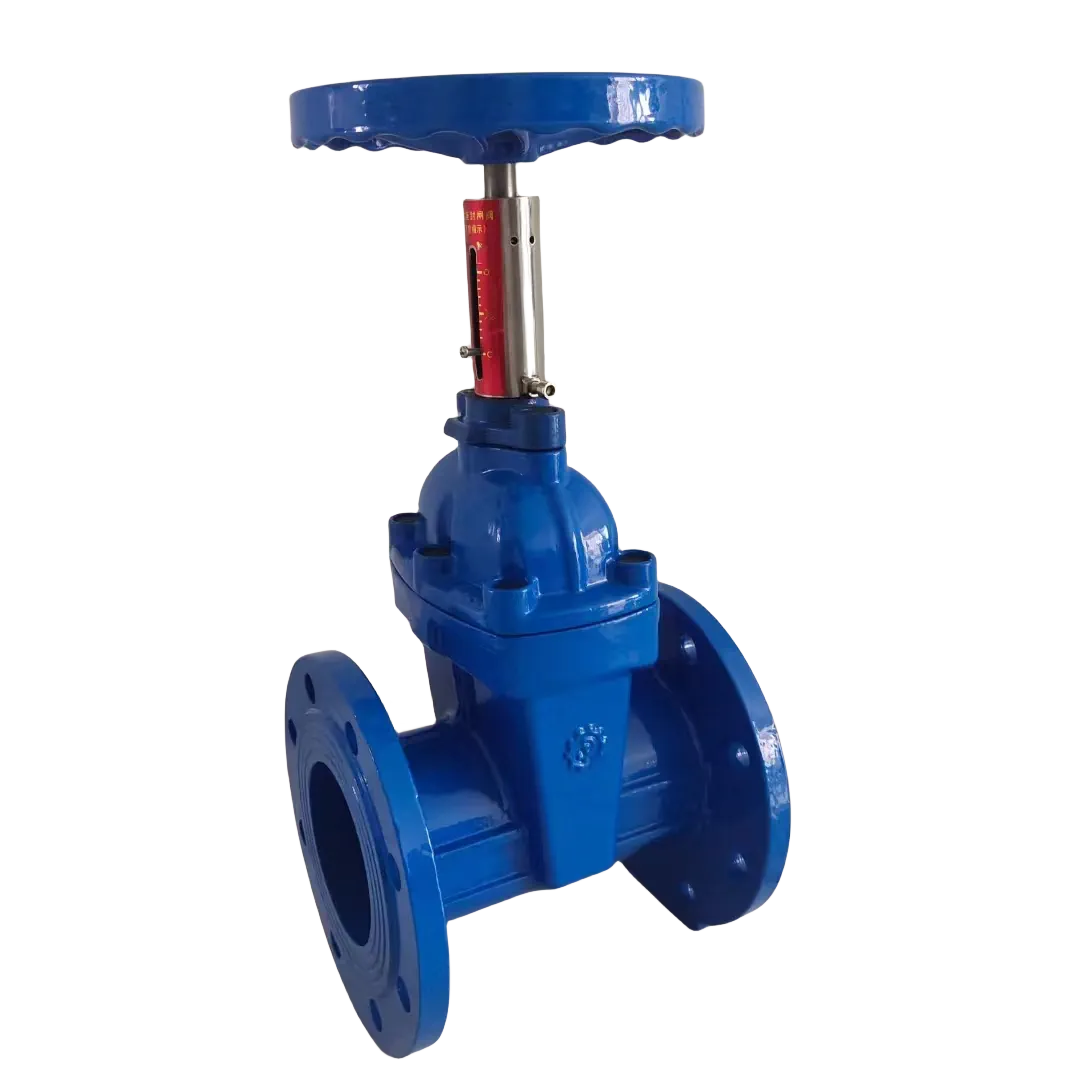
| Read the gate's position locally | Position Indicator Gate Valve | A bonnet-mounted dial and pointer show gate travel | Distribution networks and inspection points |
| Report open/closed status to a fire control panel | Fire Signal Gate Valve | An integral limit switch reports valve status | Sprinkler and hydrant mains, fire pump rooms |
| Operate a valve from a remote control system | Electric Gate Valve (Z945X / Z941X) | A multi-turn electric actuator supports remote-ready operation | Automated pump stations and SCADA water networks |
How do the three locking arrangements differ?
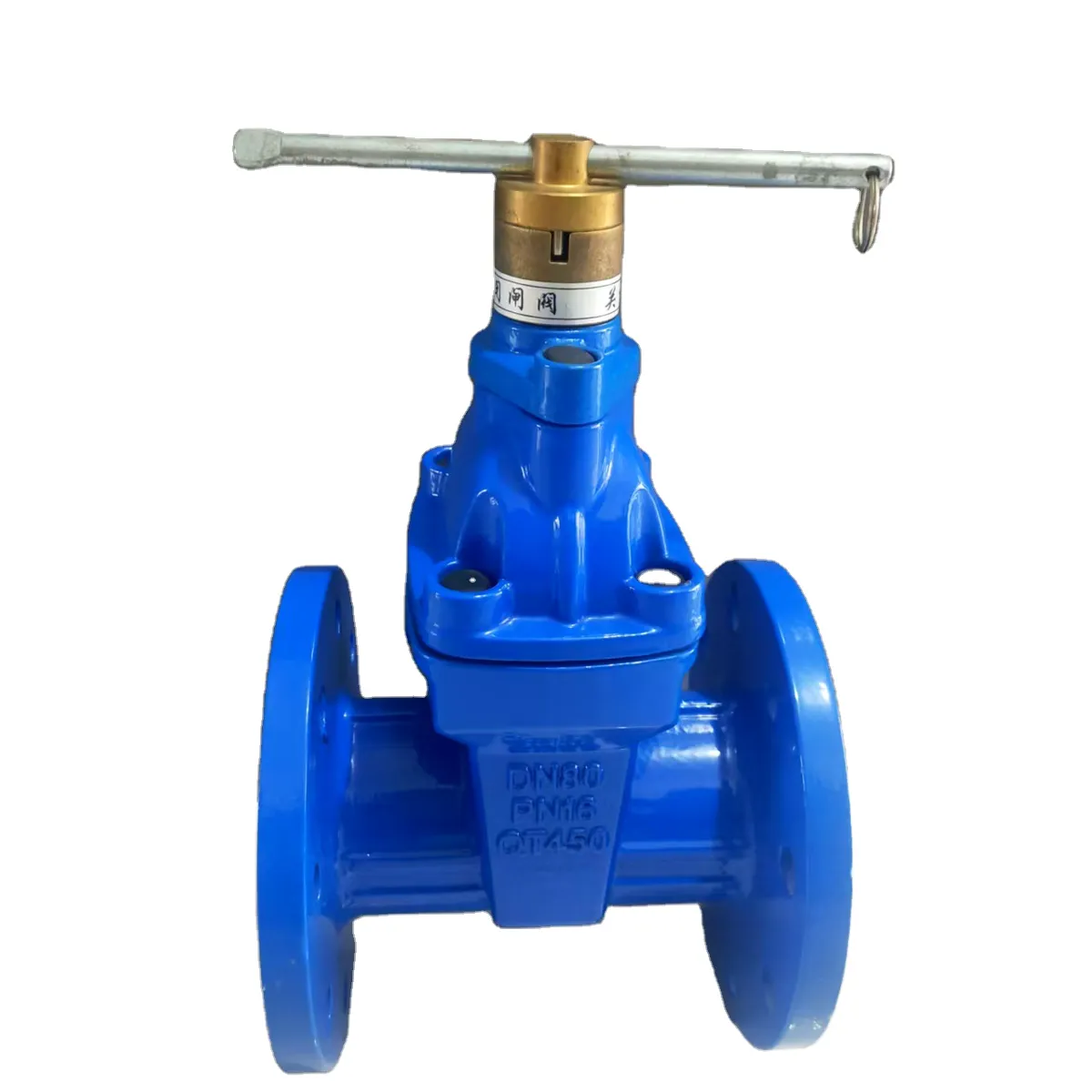
A magnetic lock gate valve is the branch-line option where access depends on a dedicated magnetic key. KINGNA lists a pinless rolling magnetic mechanism, a self-lubricating brass lock head, and common sizes of DN20–DN100. Brass and ductile-iron body options are listed. Without the dedicated key, the valve cannot be opened.
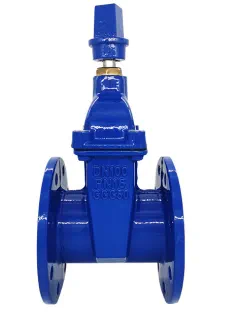
The side lock gate valve SZ41X family places the locking point at the side of the valve body. Its listed locked position is closed, a detail to check against the operating plan before ordering. The range includes SZ41X, SZ41T, SZ45X, and SZ45T models; the listed construction is epoxy-coated ductile iron with manual operation. It is a candidate for a meter pit or connection where the specified requirement is to secure closure.
The mechanical lock gate valve has an integrated lock and a triangular head operated with a dedicated utility tool. KINGNA lists it for meter-bypass control, with common sizes of DN40–DN300. Its listed construction includes an epoxy-coated ductile-iron body and a drinking-water-grade EPDM gate. Where several teams may encounter a bypass, the purchase decision should identify who is authorized to hold and use the operating tool.
Do not treat these lock styles as interchangeable. A side lock specified to secure the closed position, in particular, should not be selected on the assumption that it also secures an open valve.
When is position confirmation more important than a lock?
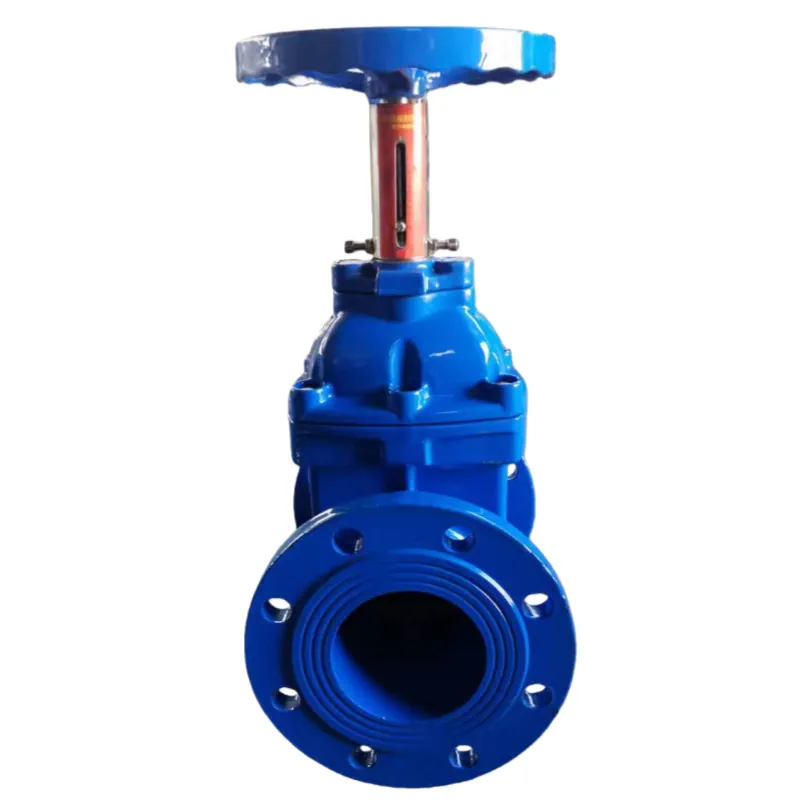
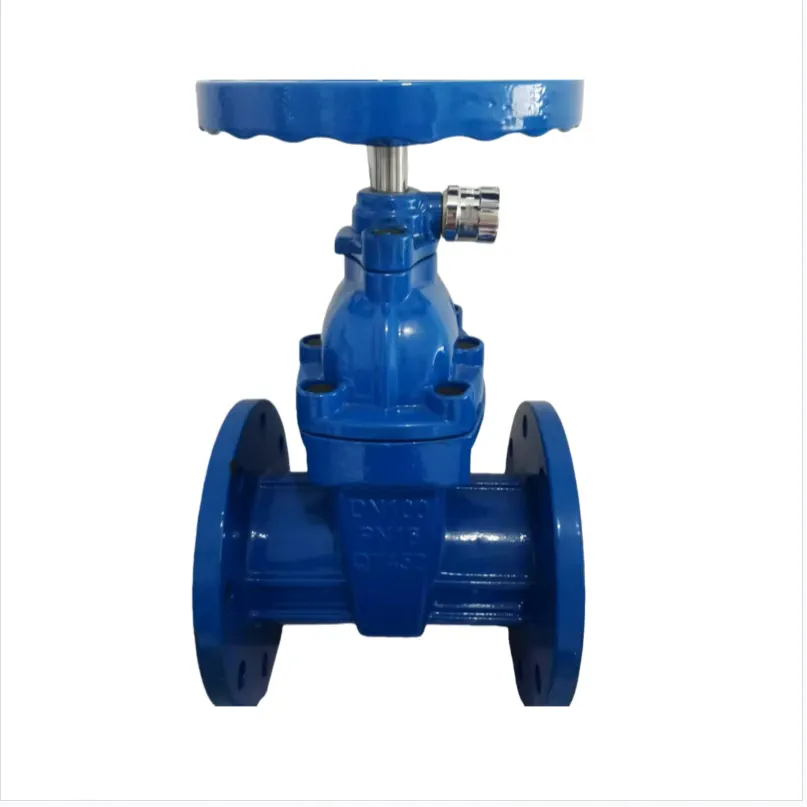
For a valve that inspectors must check on site, a gate valve with position indicator gives a direct reading of gate travel from a bonnet-mounted dial and pointer. It adds a position scale to a conventional non-rising-stem (NRS) gate valve, so the reading comes from a visible scale rather than from operating feel alone. KINGNA lists a retrofittable design; that does not mean every NRS valve is supplied with an indicator. The listed operating arrangements are a manual gear or wrench nut.
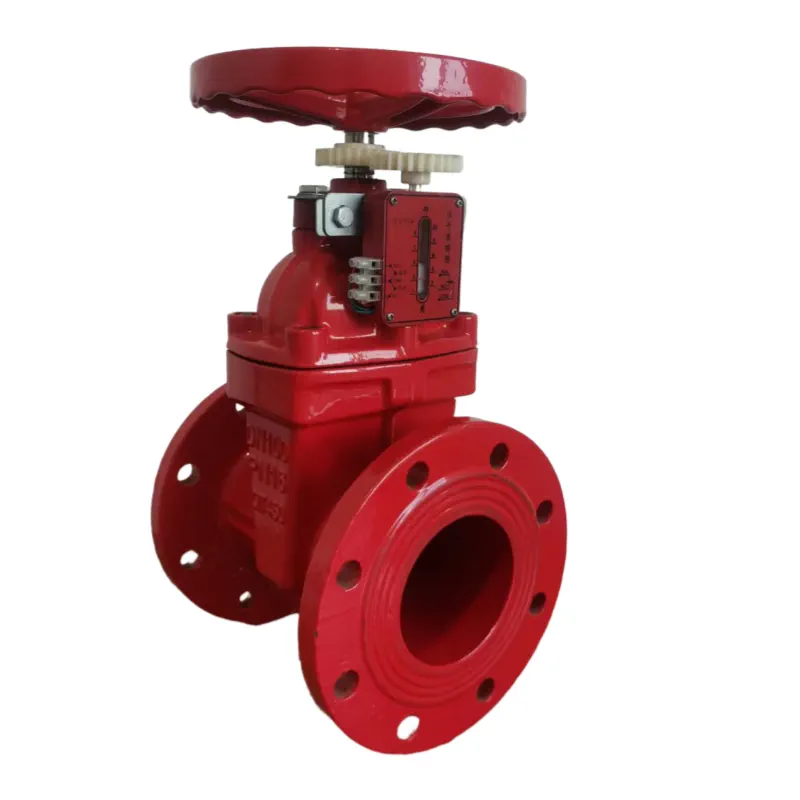
On a fire main where status must reach a control room, the Fire Signal Gate Valve serves a different purpose. It combines a resilient-seated OS&Y gate valve with an integral limit switch that reports open/closed status to a fire control panel. The listed contact arrangement is SPDT, and KINGNA describes its application as "NFPA-aligned practice." Read that wording as a description of intended practice, not as a claim about a particular clause or approval.
For remote operation rather than local indication, the Electric Gate Valve uses a multi-turn electric actuator. KINGNA lists on/off and intelligent types, NRS and OS&Y body variants, 380V or 220V power options, and a handwheel for emergency manual operation. Select it by the operating method you need, then confirm the project-specific control arrangement with KINGNA.
What should a buyer put in the enquiry?
State the valve's location and the required operating rule in plain terms: "Only the utility team may open this user-branch valve," "This meter-pit valve must be locked closed," "The control room must receive open/closed status from this fire main." A written rule gives the supplier a clearer basis for selection than a request for a "tamper proof gate valve water supply" product alone.
Then identify whether staff need a local position reading, a remote status report, or remote operation. Those are separate functions in the listed range. Include the required size and installation details, and ask KINGNA to confirm the selected model's project specifications before purchase. For a locking valve, also state who will hold the dedicated key or tool; for a signal or electric valve, state what the site control system must do.
Reference sources
- KINGNA, Magnetic Lock Gate Valve product listing.
- KINGNA, Side Lock Gate Valve (SZ41X / SZ45X) product listing.
- KINGNA, Mechanical Lock Gate Valve product listing.
- KINGNA, Position Indicator Gate Valve product listing.
- KINGNA, Fire Signal Gate Valve product listing.
- KINGNA, Electric Gate Valve (Z945X / Z941X) product listing.