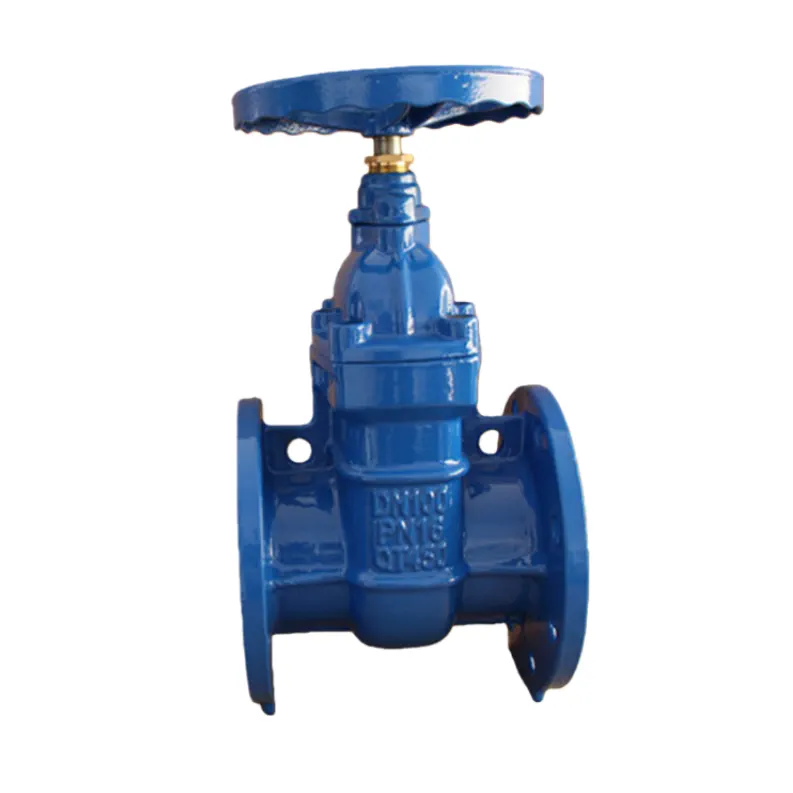

For non-clean-water, solids-bearing, or heating-network duty, a metal seated gate valve may be worth evaluating, but you must confirm the medium and operating conditions before selection. This guide approaches selection by service condition, unlike KINGNA's existing resilient vs. solid wedge gate valve guide, which covers sealing-pair construction and general water-service use. It focuses on the listed hard-seated products and their actual single-size limitation: the copper-gland listing shows one size and pressure combination, both unconfirmed, and the model's status as a distinct product also requires confirmation.
Start with the medium and duty
KINGNA's product documentation identifies hard-seated gate valves for heating systems, civil defense engineering, and related pipe networks. The site also lists metal-seated options for non-clean or higher-temperature media. These descriptions are starting points for inquiry, not confirmation that a valve will work in every slurry, wastewater, steam, or chemically aggressive service.
When you need a gate valve for slurry service, do not select from the word "slurry" alone. The available information does not define allowable solids, particle size, concentration, chemical compatibility, or service limits. Send the medium description and operating conditions for factory confirmation before you assume a listed metal-seated valve is suitable.
For clean-water duty, the site lists an EPDM resilient-seated DIN F4 option. This provides a useful comparison when deciding whether the application calls for the listed resilient seat or a metal sealing pair. It does not establish that either design will work in every water system.
What the copper-gland listing says
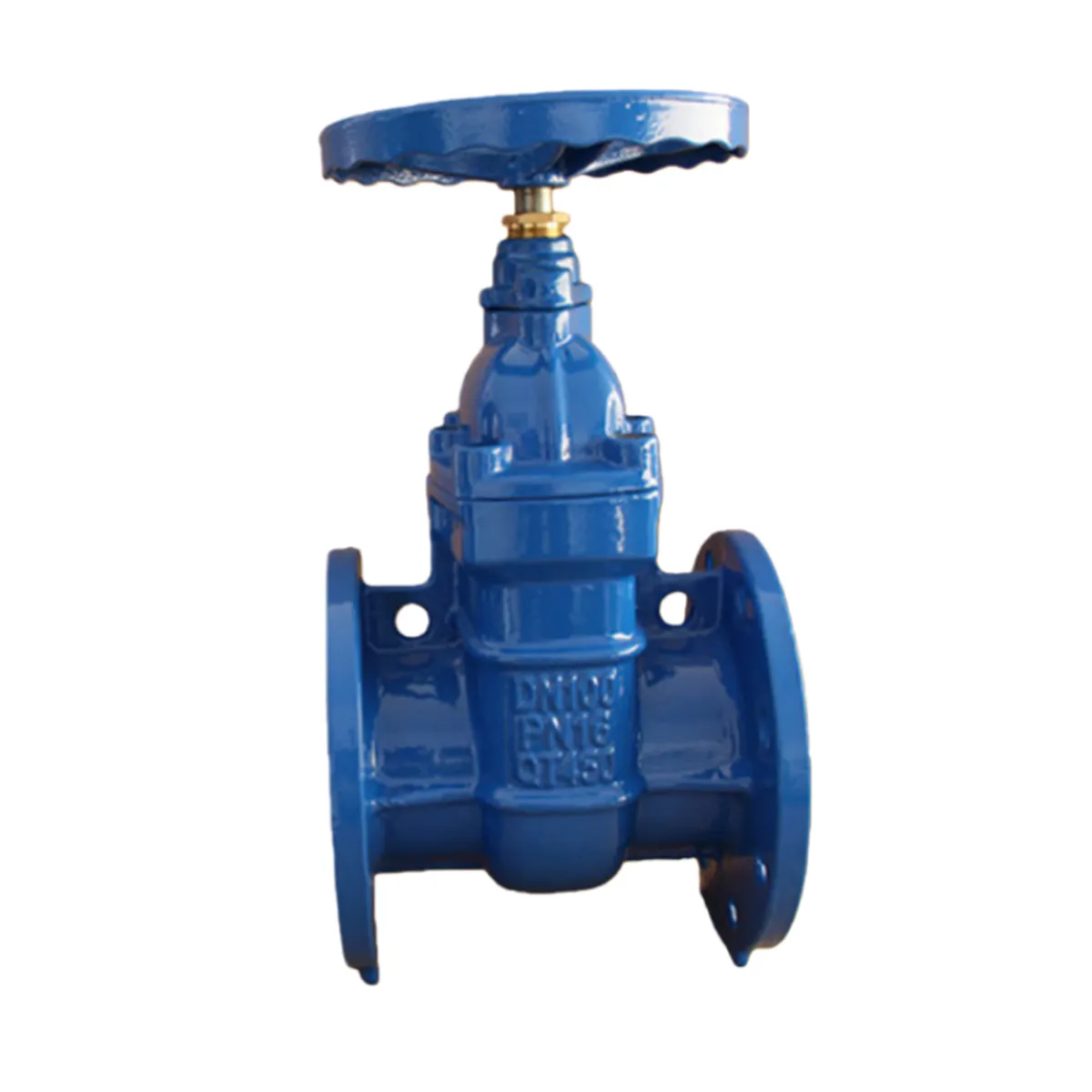
The Copper Gland Metal Seated Gate Valve is listed with a copper or brass gland and metal-to-metal sealing. The site also lists a ductile-iron body, epoxy coating, a 2Cr13 stem, and handwheel operation. These are provisional listing details, not factory-confirmed specifications. The available product information does not establish whether the copper gland and copper-alloy hardfaced sealing surfaces are the same part or separate features.
The listing shows DN100 and PN16, but both values are marked as assumptions pending factory confirmation. The product's status as a separate product is also unresolved. Treat it as a listed configuration for inquiry, not as an independent model you can order at DN100, PN16.
Hard seat or resilient seat?
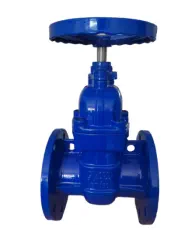
The factory documentation attributes wear resistance and good ductility to the copper alloy, and says these properties support sealing and help reduce sticking during operation. It also describes a ductile-iron body with an overall epoxy coating. These are material and construction descriptions, not a guarantee the valve will work in a specific medium or deliver a particular leakage result.
| Selection point | Metal-seated options | Resilient-seated comparison |
|---|---|---|
| Sealing pair | Factory documentation describes copper-alloy hardfacing on the body sealing surface and gate. Some site listings describe metal-to-metal sealing. | The listed DIN F4 comparison uses an EPDM resilient seat. |
| Service descriptions | Factory documentation identifies heating, civil defense engineering, and related networks. Site listings also describe non-clean or higher-temperature media, subject to confirmation. | The site describes clean-water duty. |
| Leakage information | Factory documentation gives D as the baseline leakage grade for hard-seated valves; after gate grinding and end-face milling, the stated grade can reach A or B. This wording applies to the documented Z45T/Z41T scope and is not verified for every listed product. | No leakage grade is listed in the available product information. |
| Replaceable sealing ring | The BS5163 listing says its sealing ring is replaceable. Do not assume this feature applies to other models. | Not stated. |
Stem arrangement and listed alternatives
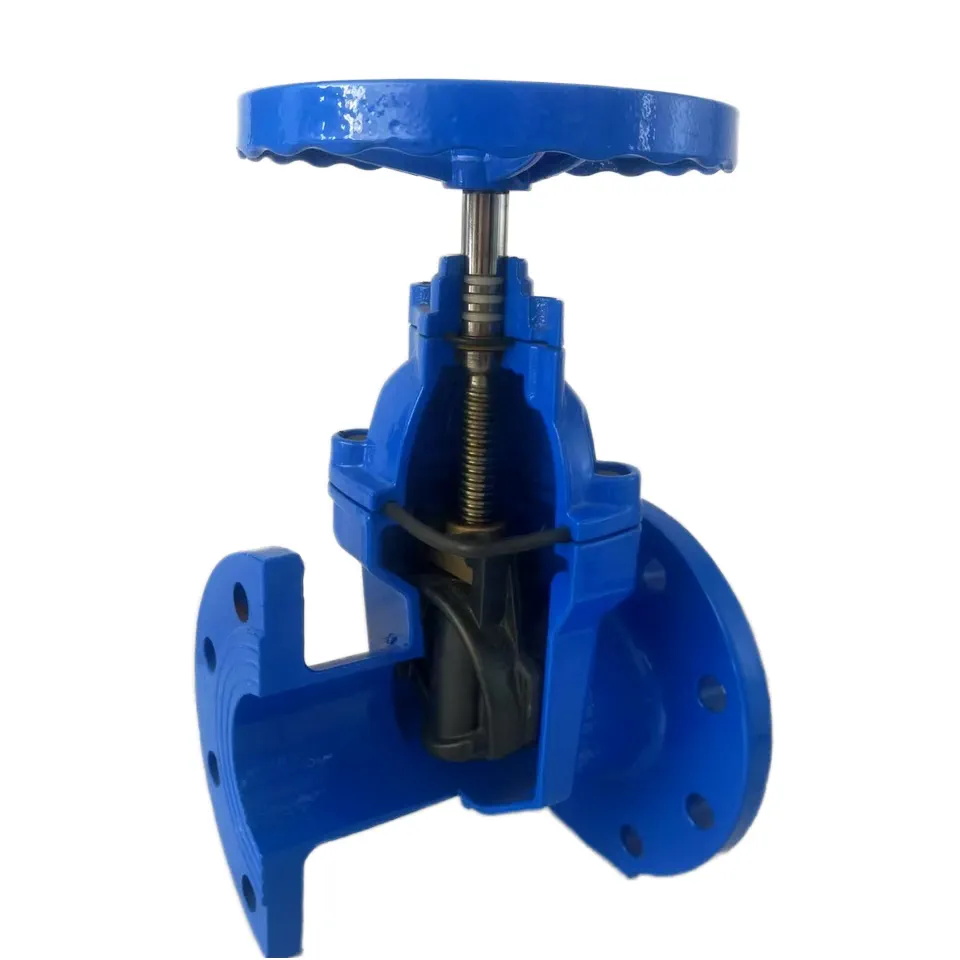
Hard-seated gate valves are described in two arrangements: Z45T for a non-rising stem and Z41T for a rising stem. The wider metal-seated gate valve range is listed with NRS and OS&Y options. A rising stem makes stem position visible; confirm the required arrangement, available space, and operating method during inquiry.
For a comparison by listed configuration, see the DIN F4 metal-seated option, the OS&Y metal-seated option, and the BS5163 metal-seated option. Their listed standards, sizes, materials, and features should not be treated as supply specifications you can order without factory confirmation.
Information to confirm before ordering
- Whether the copper-gland listing is an independent product and which configuration it refers to.
- The required nominal size, pressure rating, connection details, and applicable standard.
- Temperature limits and suitability for the specific medium, including solids-bearing service.
- Stem material and arrangement for the selected product.
- Whether any stated leakage grade applies to that specific model.
- Whether a replaceable sealing ring is available for the selected configuration.
Reference sources
- KINGNA, Copper Gland Metal Seated Gate Valve.
- KINGNA, Metal Seated Gate Valve.
- KINGNA, DIN F4 Metal-Seated Gate Valve.
- KINGNA, OS&Y Metal-Seated Gate Valve.
- KINGNA, BS5163 Metal-Seated Gate Valve.
- KINGNA, DIN F4 Resilient Gate Valve.
- KINGNA, *Gate Valve Product Introduction*, technical documentation.