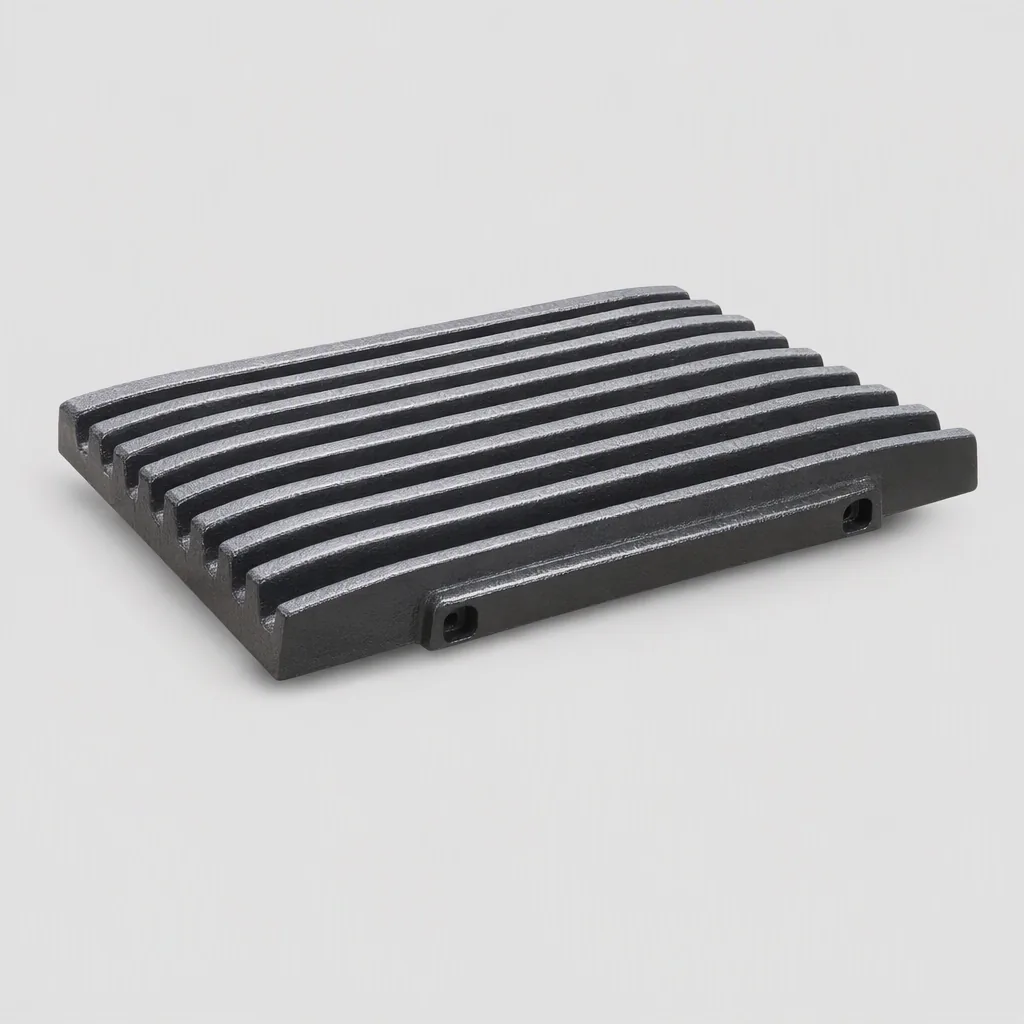
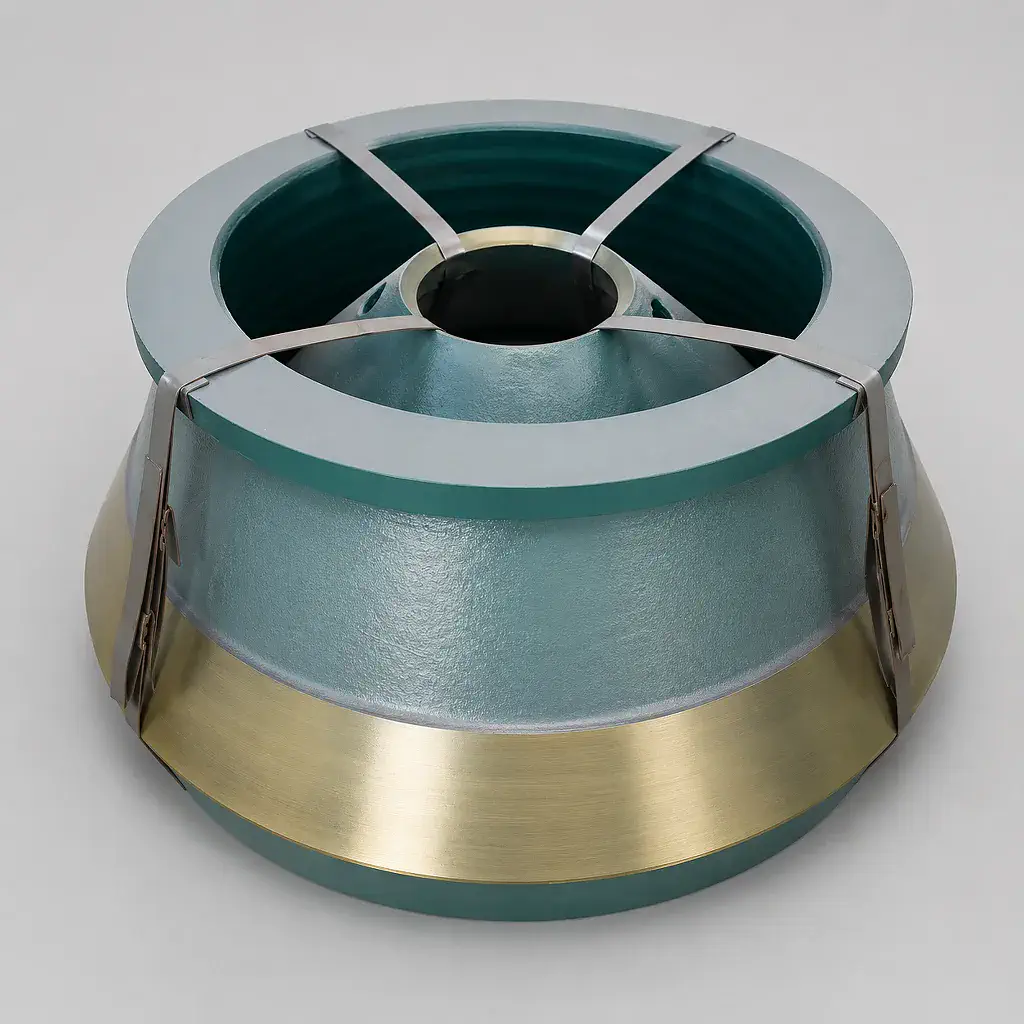
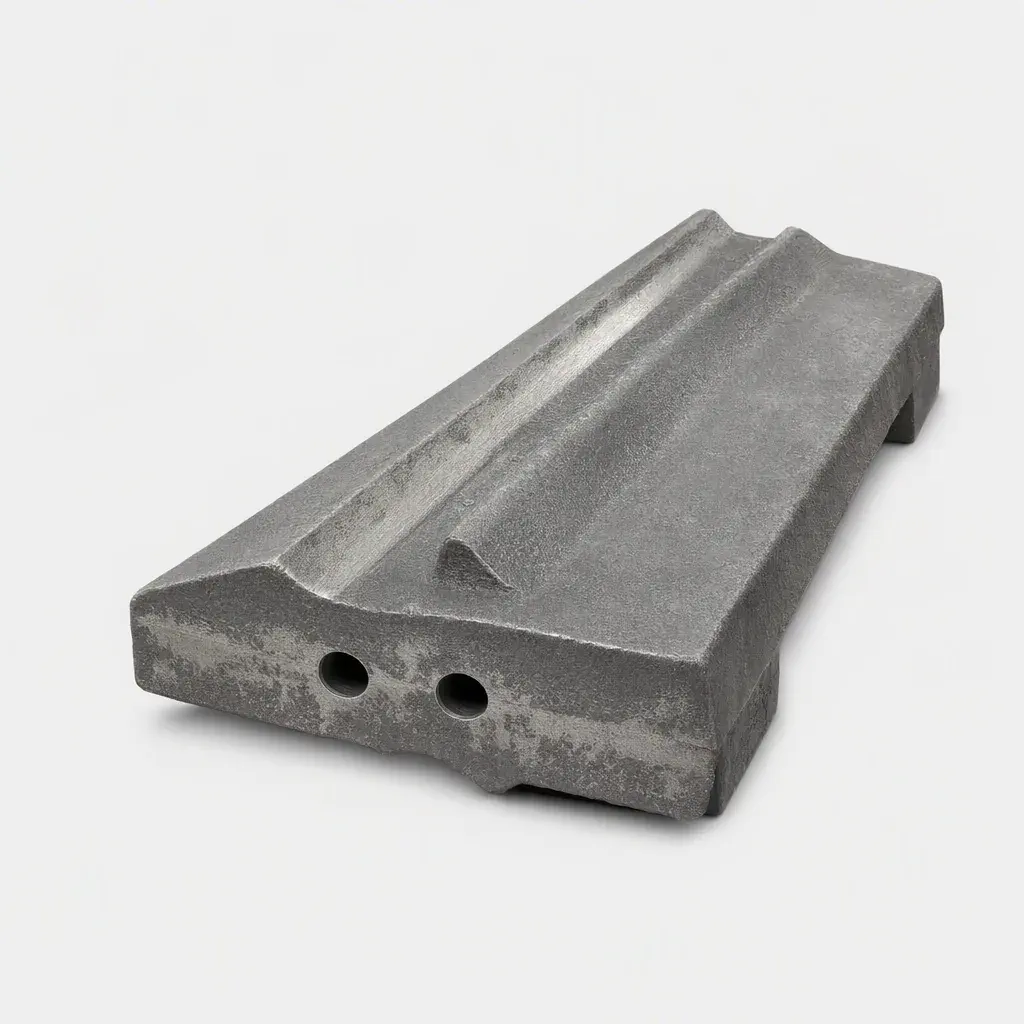
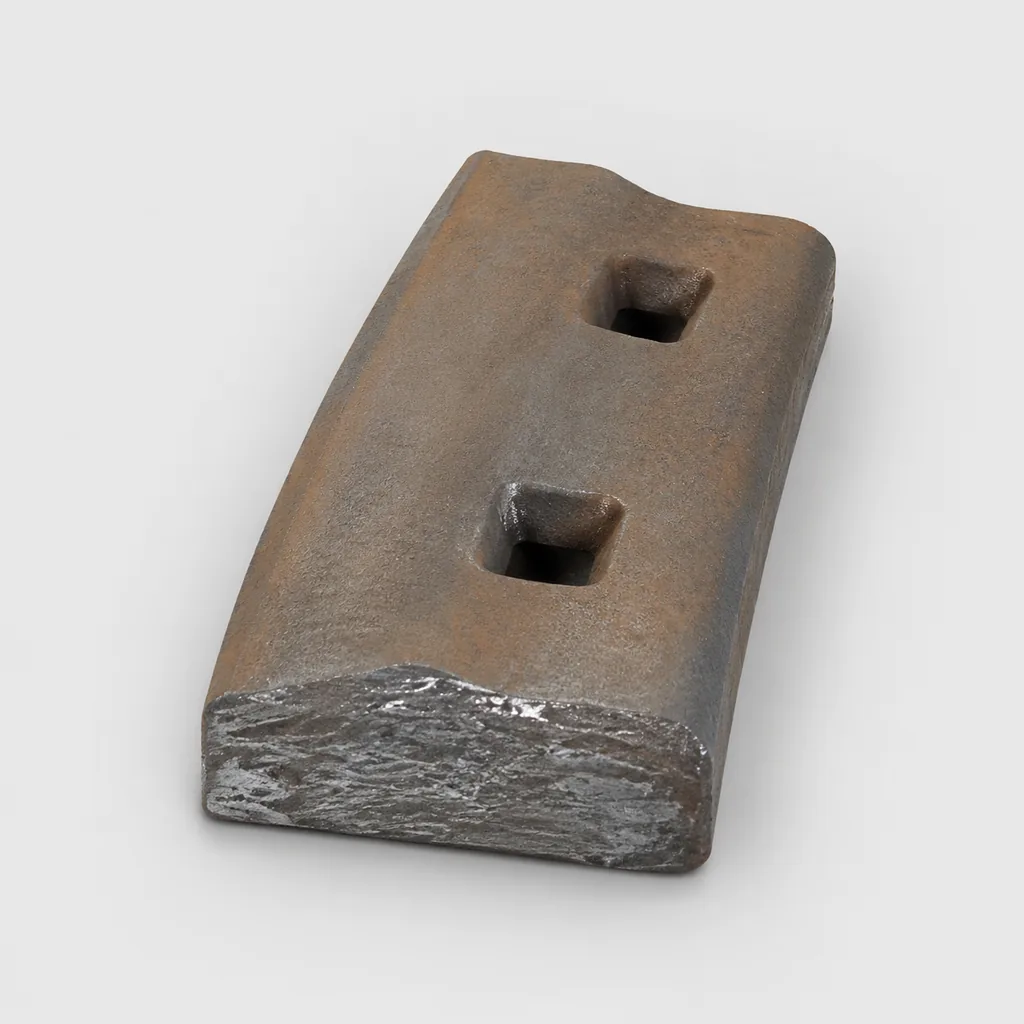
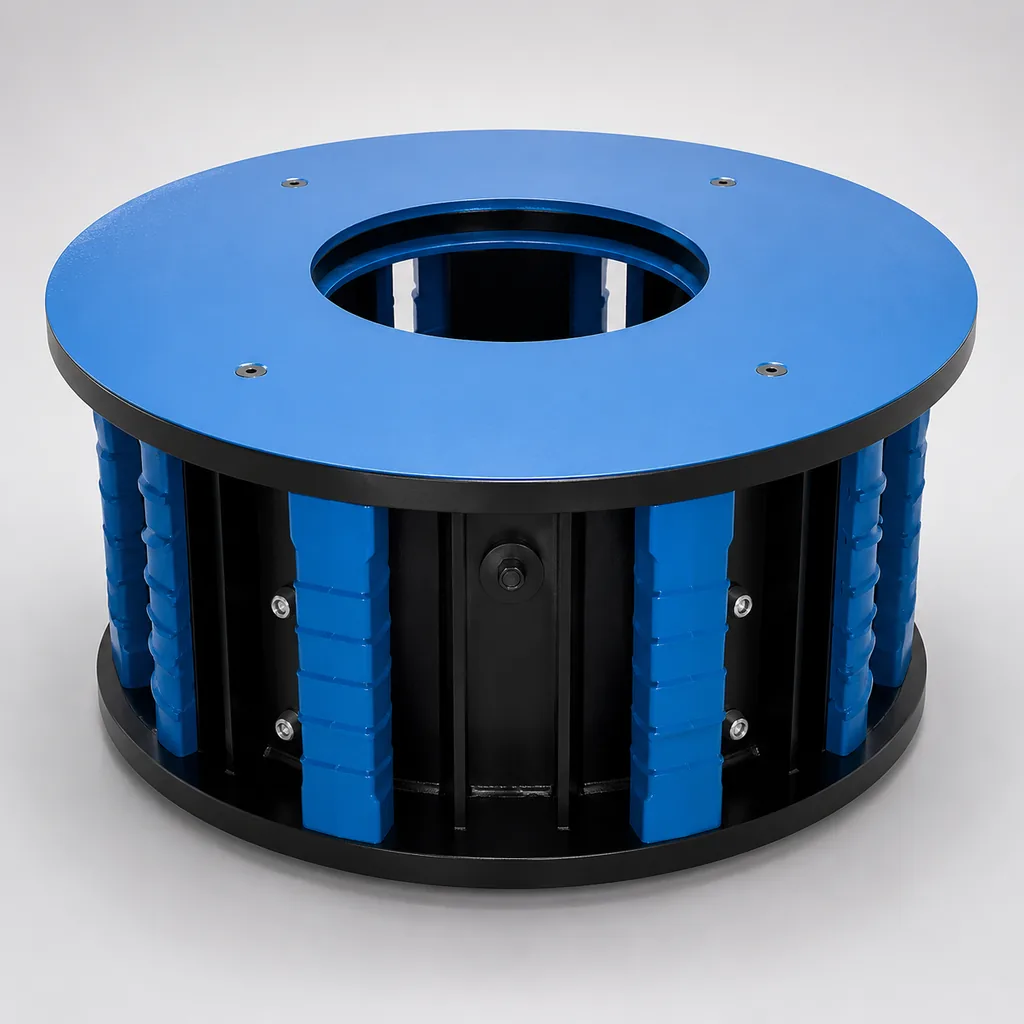
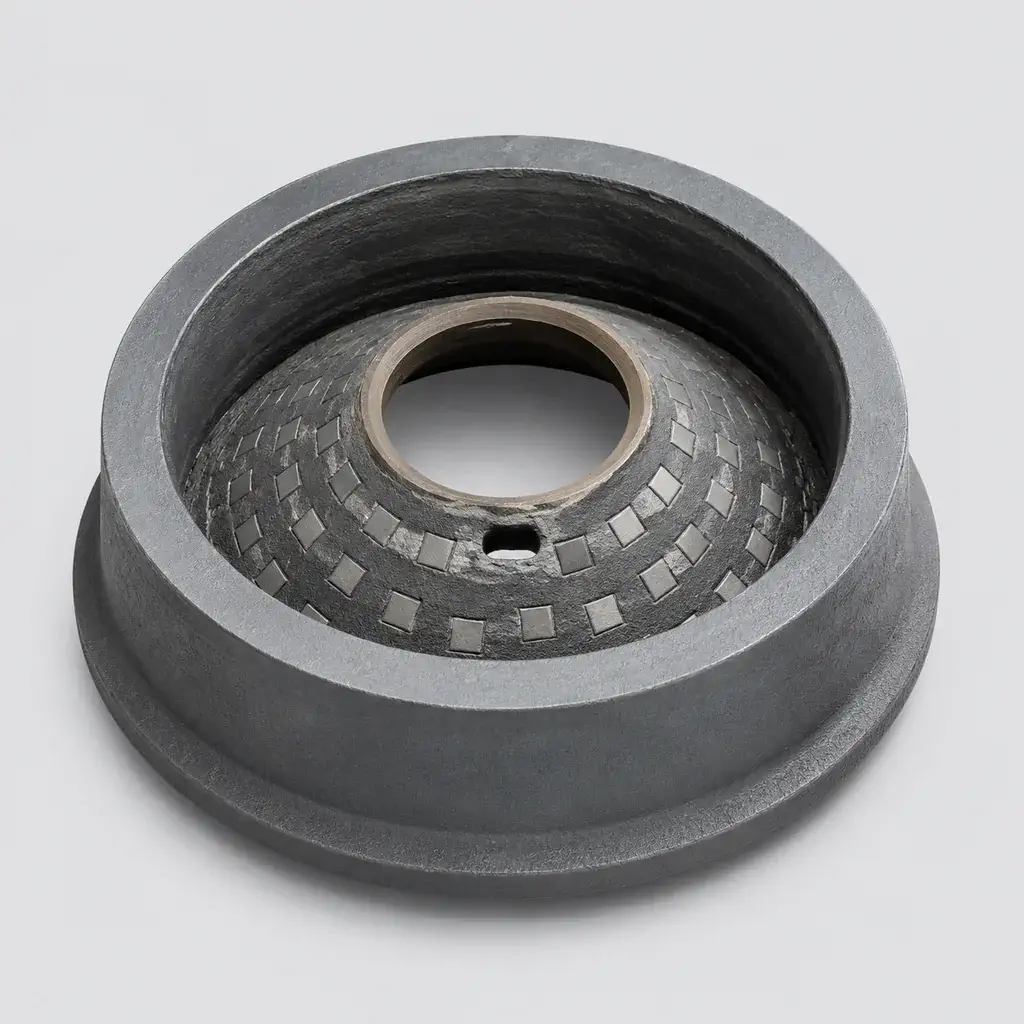
A crusher wear part that fails early is not a single problem — it is a message. Sometimes the message is about the part, sometimes about the feed, sometimes about the machine, and often about more than one at once. Reordering the same part from a cheaper supplier without understanding that message repeats the failure and adds downtime on top of it. This guide is a practical failure-analysis field guide for buyers and maintenance teams: how to read a cracked liner, how to tell rapid wear from wrong material, and how to turn the evidence into the right specification for the next order.
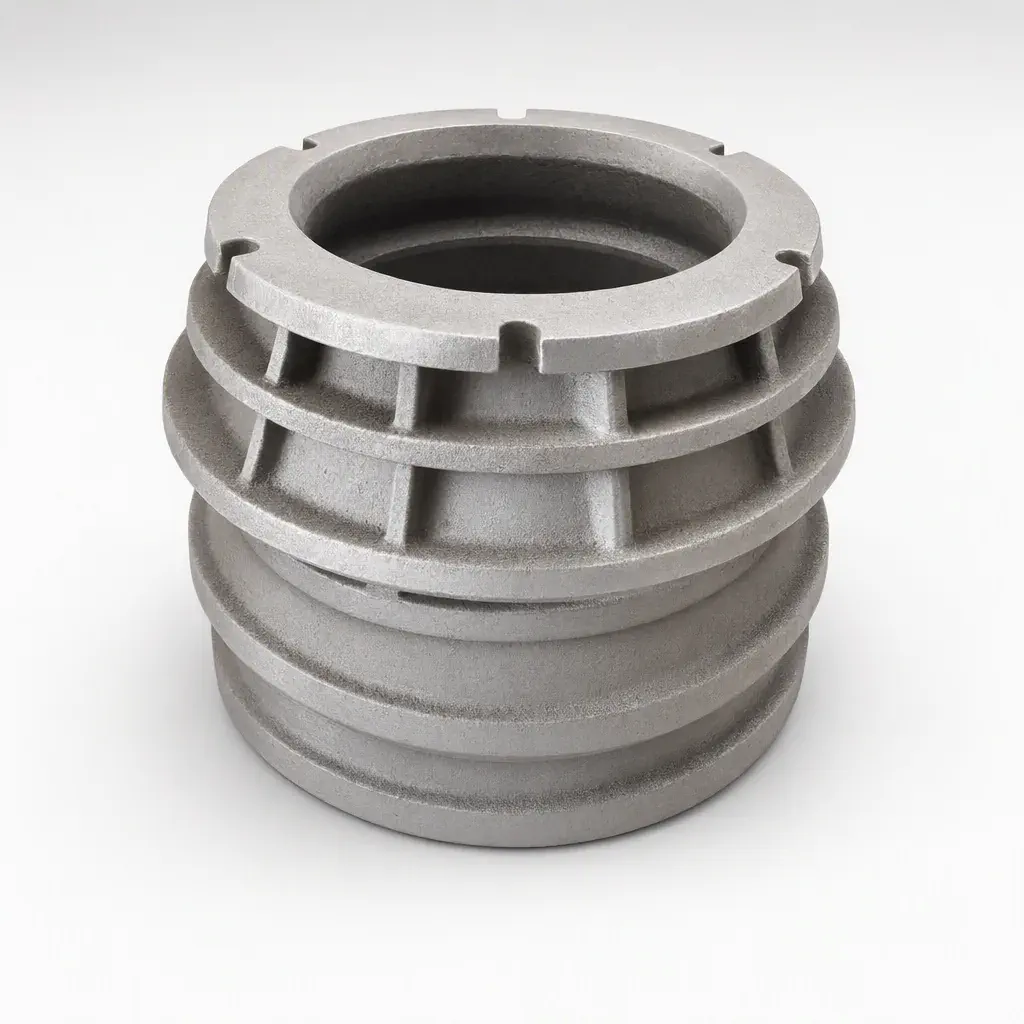
1. The three failure families
Almost every early failure belongs to one of three families. Naming the family first keeps the diagnosis honest.
| Failure | Typical visible sign | Most common causes |
|---|---|---|
| Cracking / breakage | Through-cracks, snapped edges, broken teeth | Impact overload, tramp metal, too-brittle material, loose fit, thermal stress |
| Rapid wear | Surface worn thin, profile lost early | Wrong material for the duty, insufficient work hardening, feed too abrasive, wrong profile |
| Fit / movement problems | Parts moving, rocking, bolts loosening, unusual wear on mounting faces | Wrong dimensions, machining tolerance, incorrect liner seating, worn backing |
Start by deciding which family you are in. The fix is different for each, and applying the wrong fix wastes the next set of parts.
2. Cracking: read the crack before blaming the material
A crack is evidence, not a verdict. Ask where it started, in which direction it ran, and what was happening when it appeared.
Impact overload is the most common cause in crushers. Tramp metal, oversized feed or a choked chamber turns a normal duty into hammer blows the liner was never designed to absorb. The crack usually starts at the thinnest section or a sharp internal corner and runs outward.
Material brittleness is the second cause. A high-chrome wear part that cracks in heavy impact duty is usually a material-selection problem, not a quality problem. The same logic applies to impact crusher blow bars and hammer crusher hammers: high-chrome is the abrasion answer, and a crack under impact is the duty saying it wanted toughness. Manganese steel cracks differently — usually from insufficient work hardening, a fit issue that lets the part flex, or gross overload beyond even its toughness.
Before reordering, photograph the crack, note the feed change history, and check the fit against the mounting surface. If the crack direction and the duty point to overload, the fix may be a tougher material or a stronger profile — not a different supplier of the same grade.
3. Rapid wear: the work-hardening trap
Rapid wear is often misdiagnosed as "low quality material," but the mechanism matters more than the brand.
Manganese steel wears fast when it cannot work-harden. If the impact is light or the service is mostly sliding abrasion, the surface never reaches the hardness it needs. The part looks "soft," but the real issue is that the duty never activated the material's defense.
High-chrome wears fast when the abrasive duty is harsher than assumed, or when the feed contains components the chromium carbide structure cannot hold against.
Checklist for rapid wear:
- Is the feed finer, harder or more contaminated than the spec assumed?
- Is the actual wear zone where the design predicted?
- Did the previous part wear gradually everywhere, or in one concentrated zone?
- Was the part surface properly work-hardened in service, or did it stay soft?
A wear zone that is concentrated and predictable is exactly the case for discussing metal-matrix composite or hard-alloy enhanced parts, where reinforcement goes where the part actually dies instead of upgrading the whole casting.
4. Fit and movement: the silent killer of liners
Wear parts that do not seat correctly fail in ways that look like material problems.
A liner that rocks or sits proud of its mounting face absorbs crushing loads as bending instead of compression. That flexing cracks the liner, loosens bolts, and wears the mounting surface. By the time the liner fails, the root cause is a fit issue that will destroy the next set too.
Check these before reordering:
- Dimensional check of the new part against the machine's mounting faces
- Bolt-hole alignment and clearance
- Backing condition (and whether the liner is designed for a backing material)
- Whether the profile matches the chamber geometry, not just the part number
Fit problems are a strong reason to consider made-to-drawing parts with confirmed dimensions, especially on machines that are old, modified or locally rebuilt, where OEM part numbers no longer describe the actual geometry. The same fit discipline applies to jaw plates and cone mantles and concaves: a liner that seats correctly in compression will always outlast one that is allowed to flex.
5. Measuring the old part: turning evidence into a drawing
The worn part is the best specification document you have. Before it is scrapped, capture it properly:
- Photograph the worn part in place, before removal — orientation and wear pattern matter
- Photograph the fresh, unworn areas to reconstruct the original profile
- Measure key dimensions: overall length/width, bolt-hole spacing and diameter, thickness at the thickest unworn section
- Record where the wear was deepest — that zone is where profile or material should change
- Keep the part number, machine model and feed description together with the photos
A drawing reconstructed from a used part, plus operating conditions, is what a casting supplier needs to quote properly. Sending only a model name produces a catalog answer; sending measurements and photos produces an engineered one.
6. Turning the diagnosis into the next order
After the diagnosis, the order should be different, not just cheaper:
- If the failure was cracking from overload: tougher material or stronger profile
- If the failure was rapid wear in one zone: MMC or hard-alloy enhancement in that zone
- If the failure was fit: confirmed dimensions, machined faces, backing instructions
- If the failure was work-hardening failure: material change or profile redesign
And record it. The failure analysis belongs in the file with the drawings, so the next procurement cycle starts from evidence instead of memory.
7. Send the evidence to our engineering team
You do not need a finished drawing to get a serious answer. Send worn-part photos taken in place, photos of the unworn sections, key measurements and a short note on the duty (feed size, hardness, contamination, previous failure history). Our engineering team reviews the evidence, reconstructs the original profile, and comes back with a material and casting recommendation before any price is discussed.
That is the difference between buying a part number and buying a solution. Send your worn-part evidence and operating conditions for a technical review — the next order starts from what your site actually showed us.