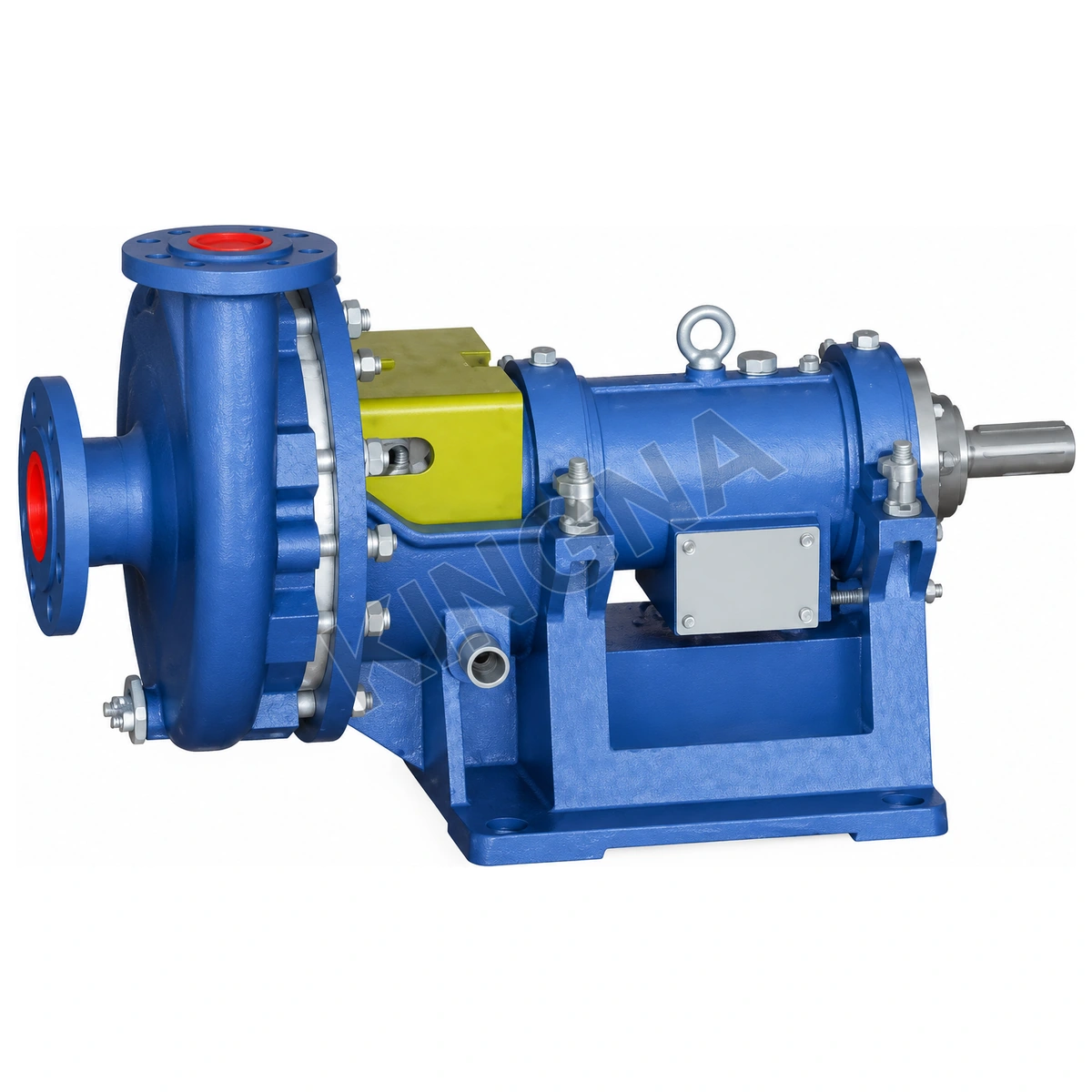
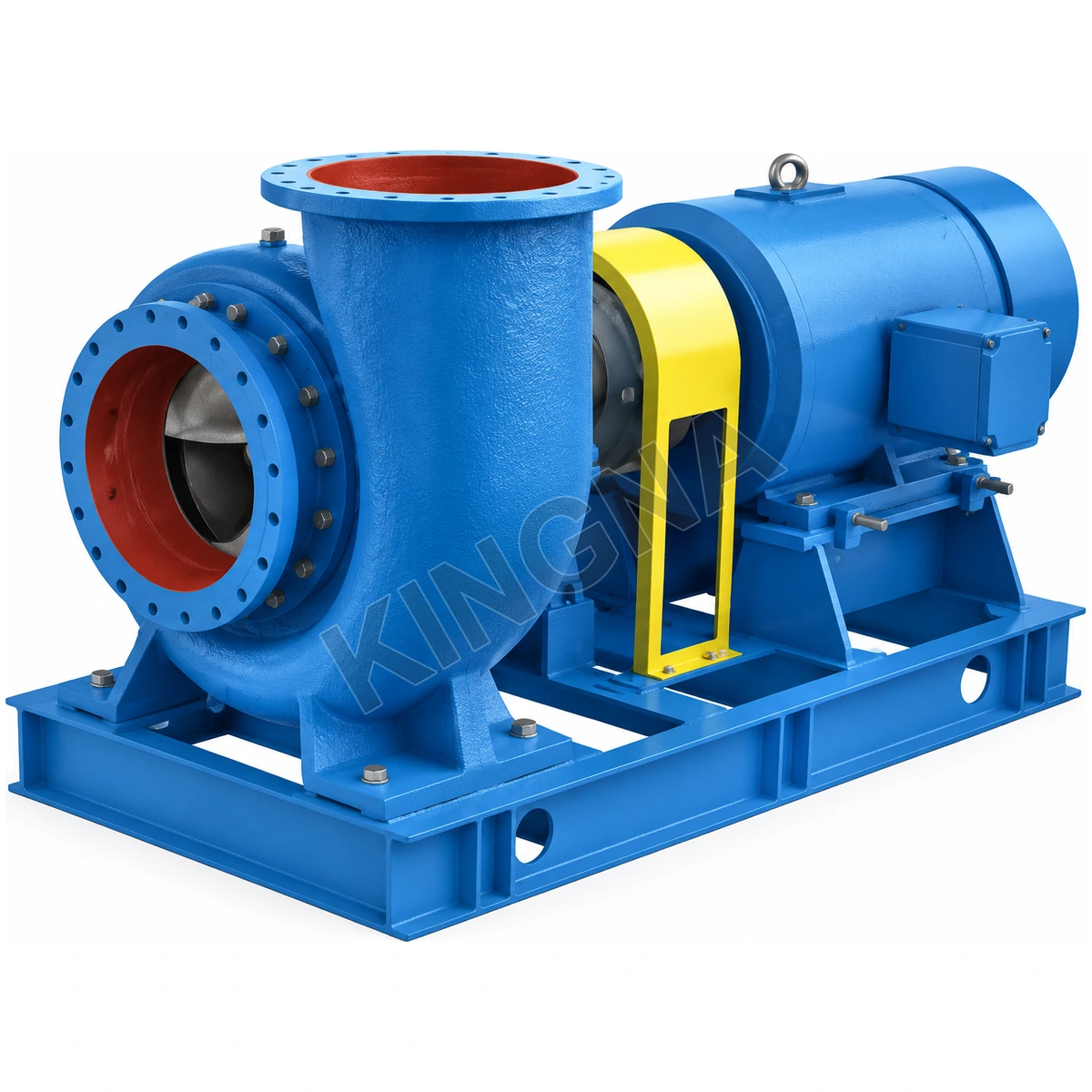
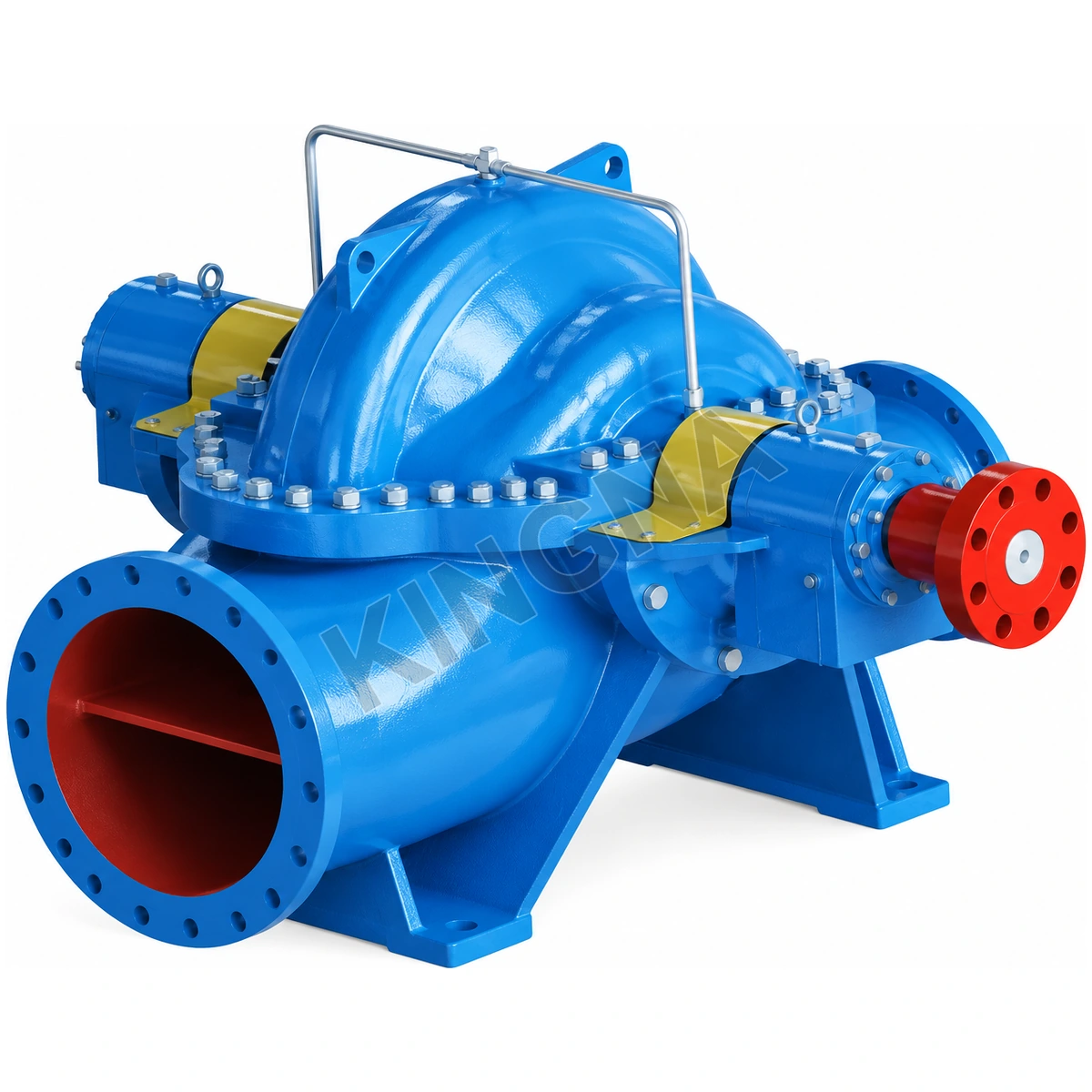
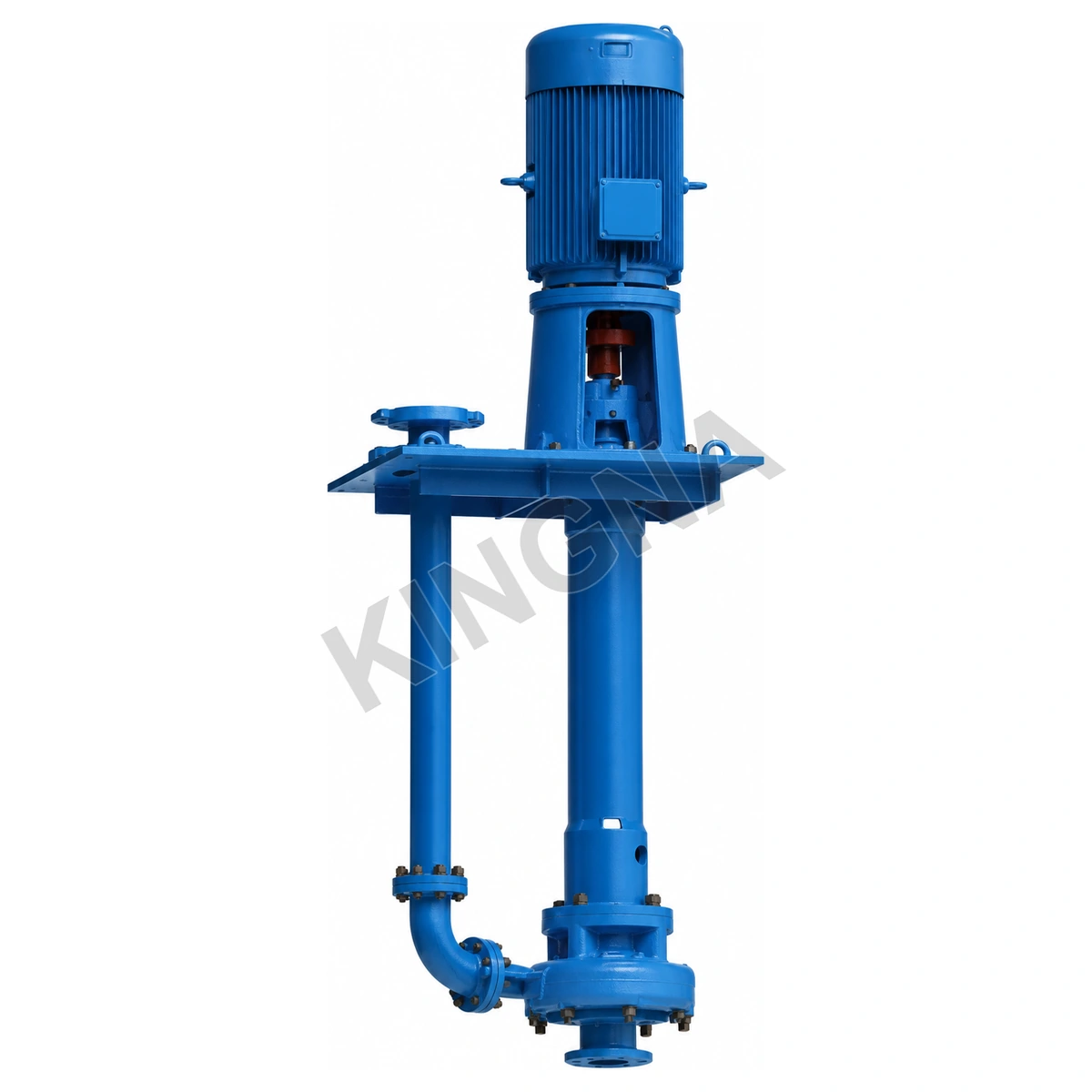
Mixed flow pump for large capacity at low head, applied in wet phosphoric acid plants where the circulating phosphate slurry is pumped through the evaporators. The duty is continuous, the medium is hot, acidic and laden with solids, and the head needed is small while the flow is large — which is exactly the shape a mixed flow hydraulic end is built for. Inlet DN300–DN1500, flow 250–5,500 m³/h, head 3.5–25 m, medium temperature up to 250 °C. Also used wherever a process needs a high circulation rate against a low static head: crystalliser loops, thickener overflow and large transfer duty.
General Specifications
Inlet SizeDN300 – DN1500
Flow Rate250 – 5,500 m³/h
Head3.5 – 25 m
Medium Temperatureup to 250 °C
Hydraulic TypeMixed flow — large capacity, low head
Model DesignationMECP + diameter + head / speed · e.g. MECP300-25/980
SelectionSeries ranges are for preliminary selection; the final model is selected against the duty point and the printed curve.
Max. Working Temperatureup to 250 °C
MediaWet phosphoric acid evaporation and circulation
Materials & Coating
Wetted PartsCast wear- and corrosion-resistant alloy; grade confirmed per duty
Application MediaWet phosphoric acid slurry — acidic, hot, solids-bearing
Shaft SealGland packing or mechanical seal, selected per plant practice
DriveElectric motor, belt or coupling drive
BodyCast iron / cast steel, SS on request
Applications
Phosphoric acid evaporation loop Phosphate slurry circulation Crystalliser and thickener loops High-rate low-head transfer
Where this pump sits in a wet phosphoric acid plant
The duty is the evaporation and circulation loop: large flow, small head, hot acidic slurry with solids in it. A mixed flow hydraulic end is the shape that matches that duty — high capacity at low head — and a centrifugal end sized for the same flow would be a much larger machine.
Published range: 250–5,500 m³/h at 3.5–25 m, medium up to 250 °C, inlet DN300–DN1500.
What has to be stated before a model is chosen
Circulation rate, slurry density and solids content, temperature, and the suction arrangement at the evaporator. Those four decide the model and the material; the head is rarely the constraint on this duty.
The same hydraulic end is used wherever a process needs a high circulation rate against a low static head — crystalliser loops and thickener overflow, for example.
More from this series