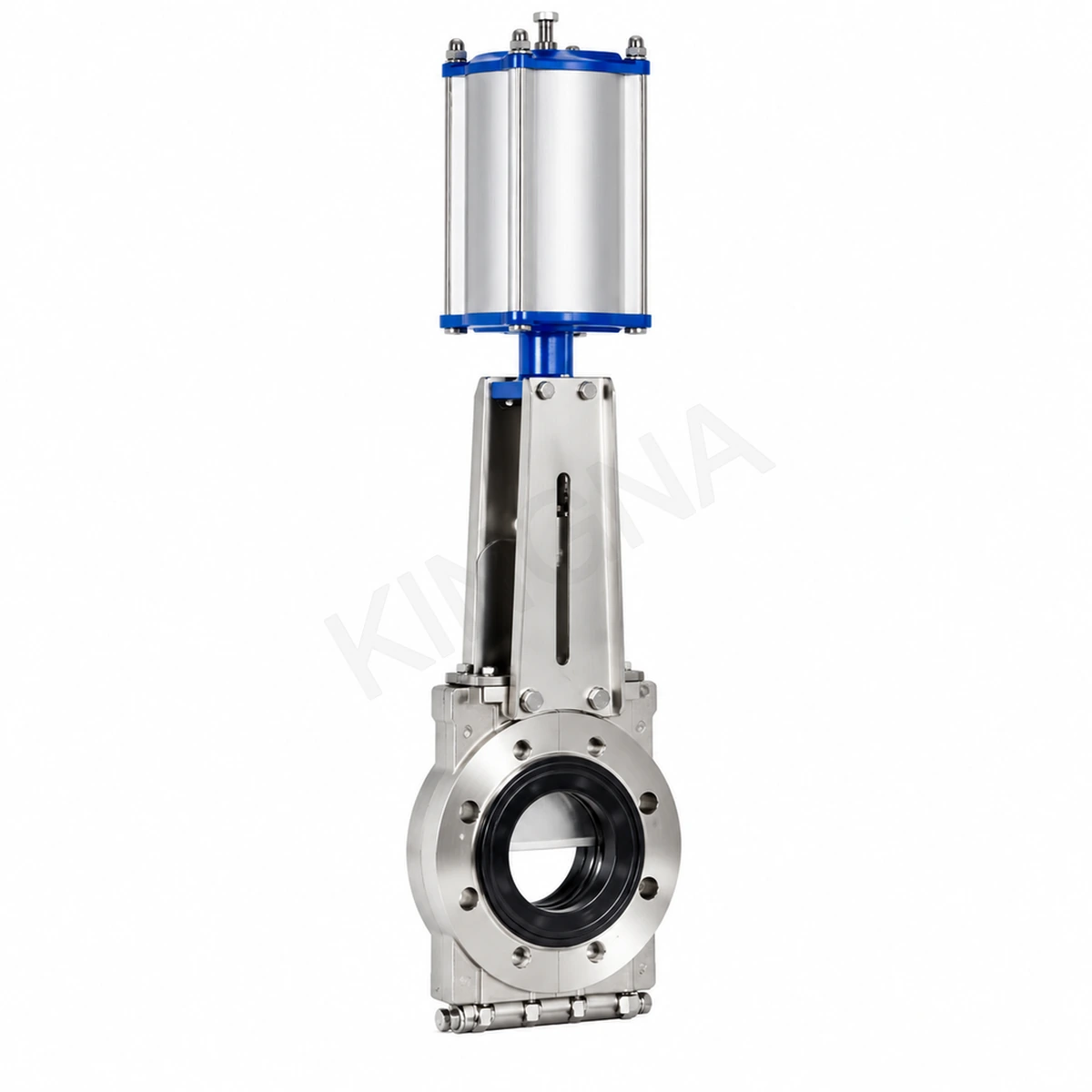
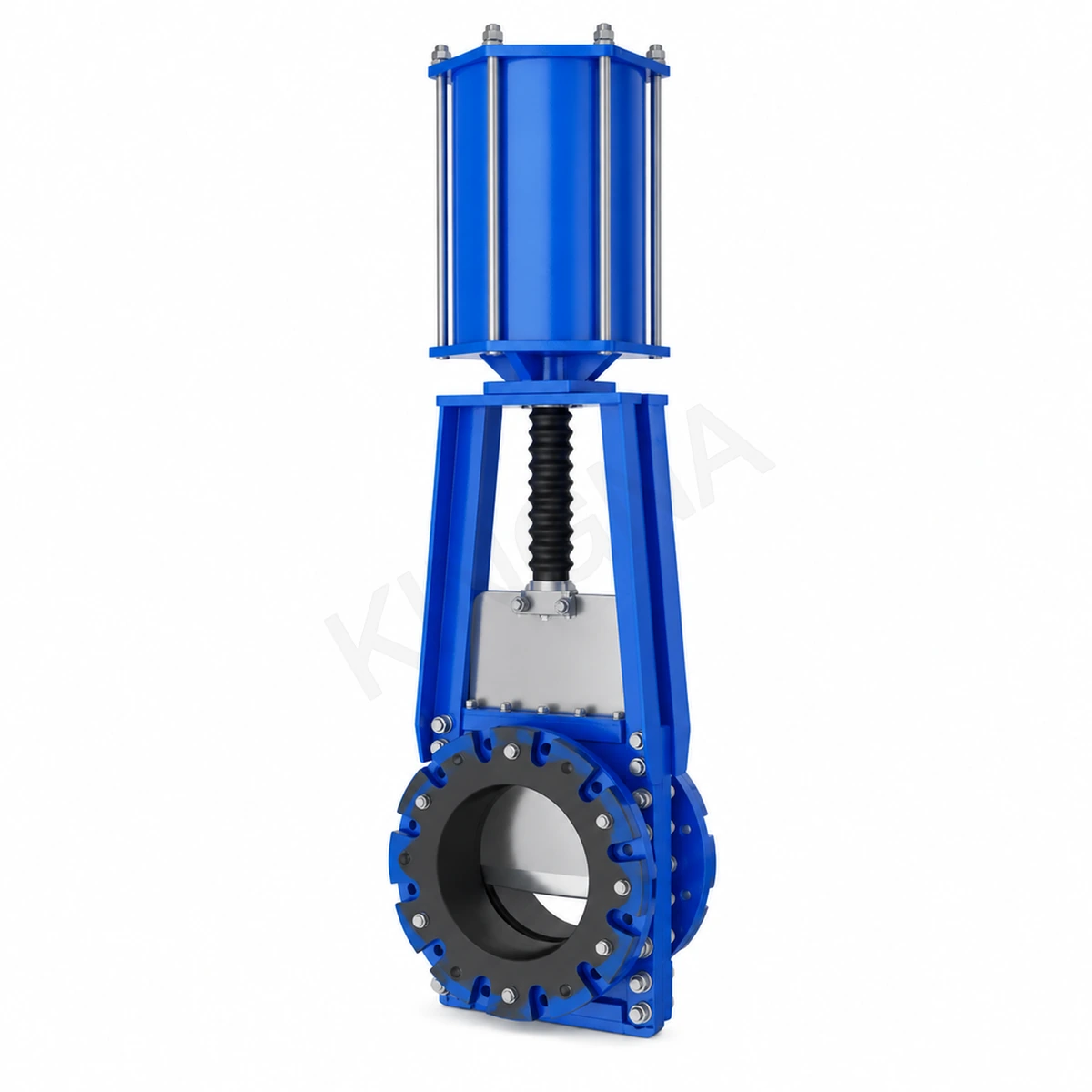
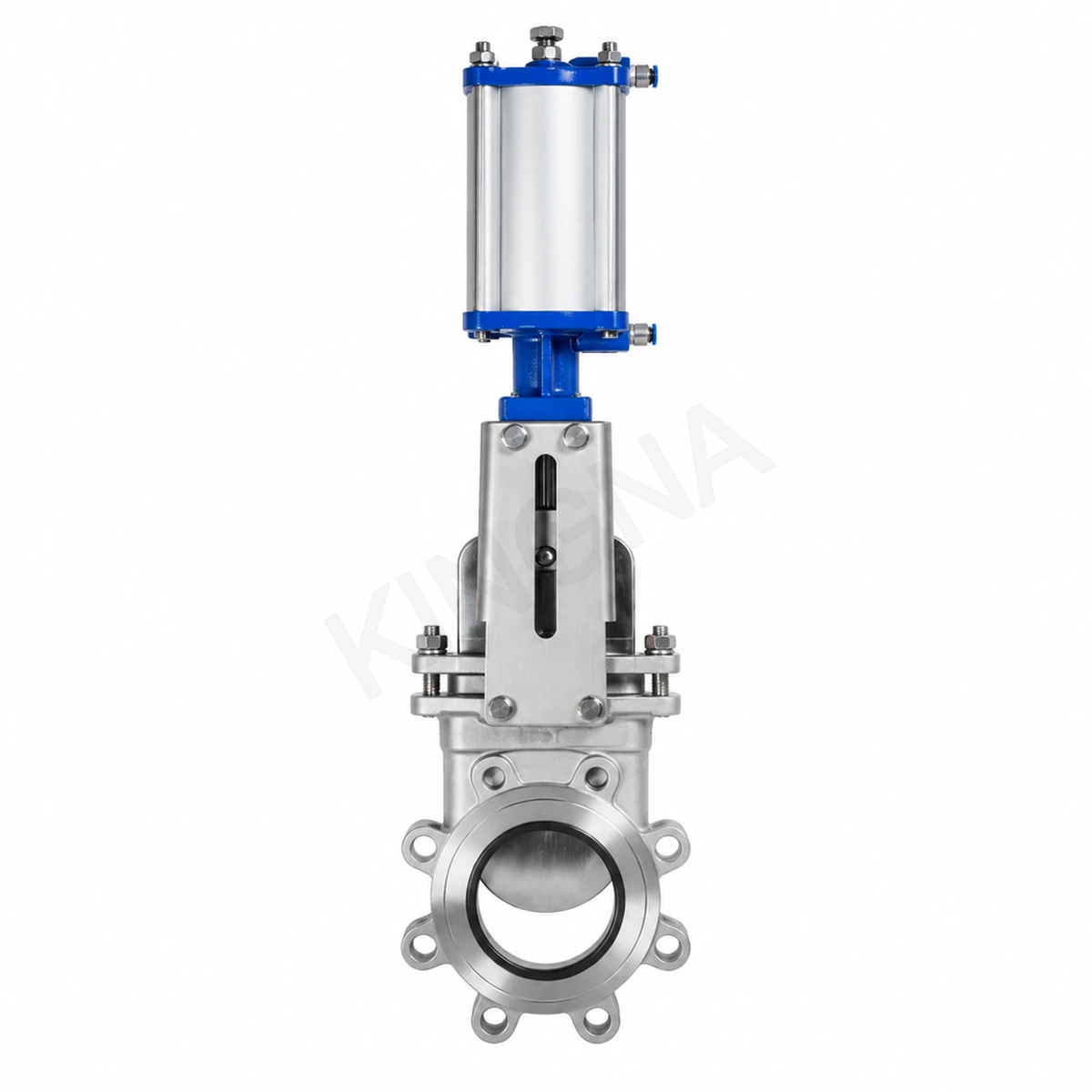
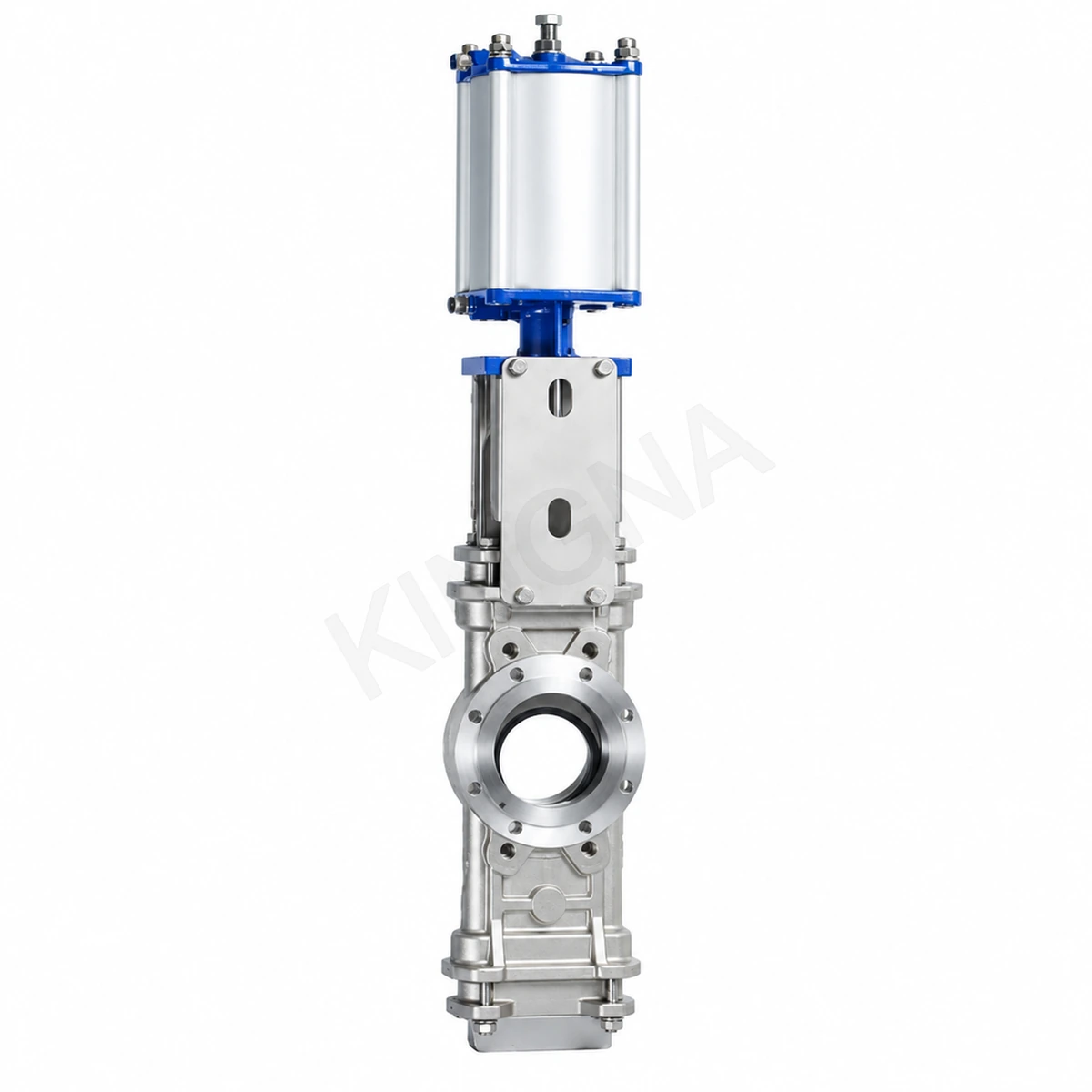
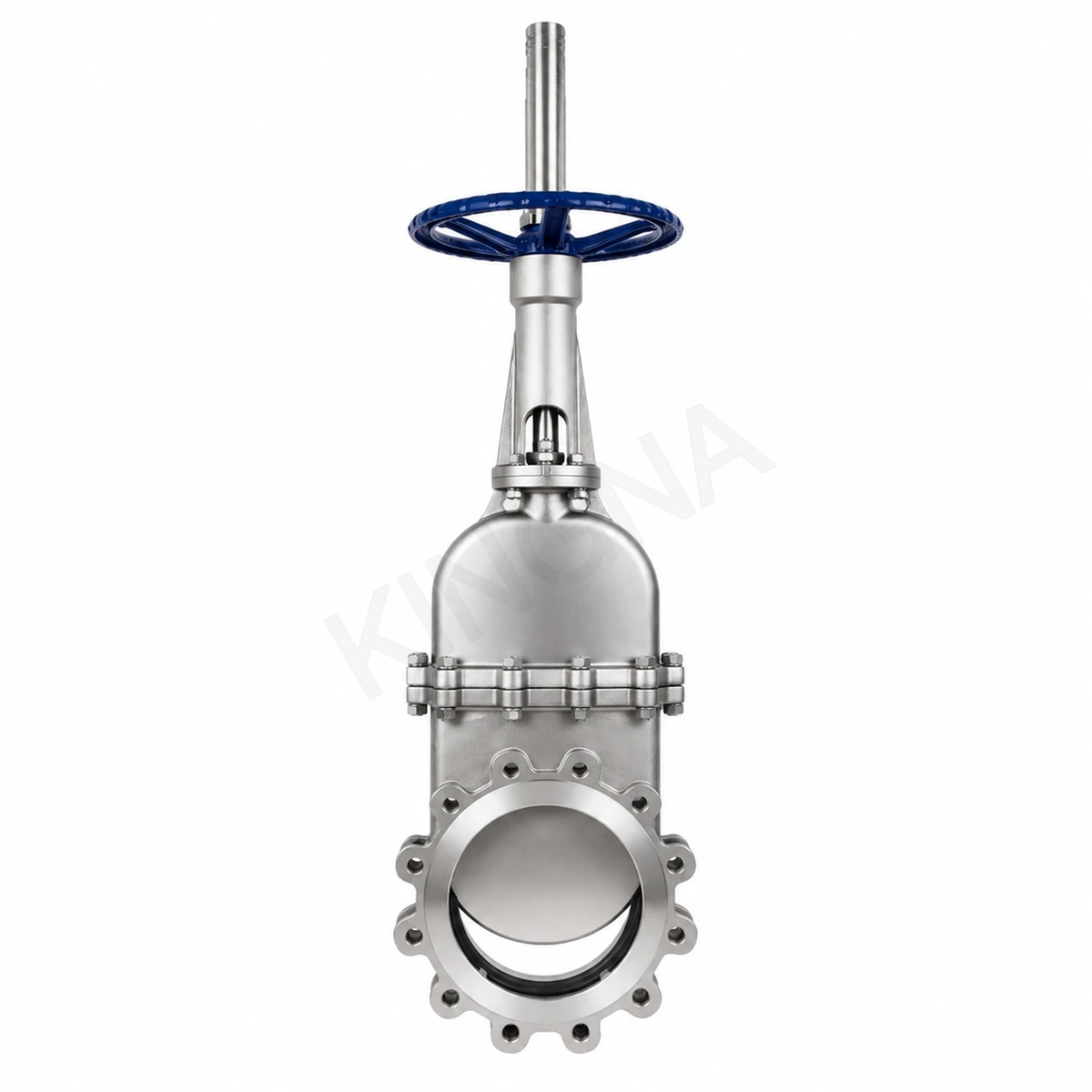
The CPZ73 is the through-port version of the knife gate, made for high-concentration and crystallising media. Its gate is extended and carries a flow port, so it stays inside the body through the whole stroke and, when open, leaves a full-bore, pocket-free passage that slurry cannot settle in. Sealing is bi-directional through two replaceable seats, and the moulded packing keeps the stem leak-free. The result is a valve that answers the two failures of a standard knife gate in crystallising duty — residue build-up in the body and one-way sealing. Sizes DN50–DN900, flange drilling PN10 / PN16 / 150LB or table D/E, working pressure 10 bar to DN600 and 6.9 bar to DN900, −29 to 200 °C or −29 to 425 °C depending on the seat material.
General Specifications
Size RangeDN50 – DN900 (larger sizes on request)
Design StandardMSS SP-81
Face-to-FaceMSS SP-81 (custom lengths on request)
Flange DrillingEN 1092 / ASME B16.5 / HG/T 20592 / GB/T 9124.1 / AS 2129 / AS 4087
Working Pressure10 bar (DN50–DN600) · 6.9 bar (DN700–DN900)
Flow ControlOn / off isolation — not for continuous throttling
Sealing DirectionBi-directional
OperationHandwheel, bevel gear, pneumatic, electric or hydraulic
MediaHigh-concentration, crystallising and particle-laden slurry
Temperature−29 to 200 °C / −29 to 425 °C depending on seat material
Pressure RatingPN10 / PN16 / 150LB (table D/E drilling)
Materials & Coating
BodyCarbon steel / stainless steel / duplex steel / special material
GateExtended through-port gate with a flow opening — stays in the body
SeatTwo independent replaceable seats — metal (hard) or resilient (soft)
Stem SealingMoulded packing, upper seal
Flow PassageFull bore when open, no recess for residue
Applications
Power plant ash and slag discharge Mine washing and residue lines Crystallising chemical slurry Flue-dust isolation
A through port removes the pocket, not just the obstruction
In a standard knife gate the gate retracts into a bonnet cavity and the bore has a step. A through-port body keeps the passage full-bore, so there is no cavity where solids can pack and no step to erode — the reason this build is used on lines that must stay clear.
The high-pressure variant of the same principle is built for higher ratings and larger sizes, and uses the same full-bore passage.
Choosing between the standard and the high-pressure build
The standard through-port body covers the usual plant ratings; the high-pressure build is the one to specify when the line rating or the size goes beyond that. Both are selected on the same inputs: line rating, size, medium, and whether the valve has to isolate with the line dead-ended.
More from this series
Related guides