

Product Catalog
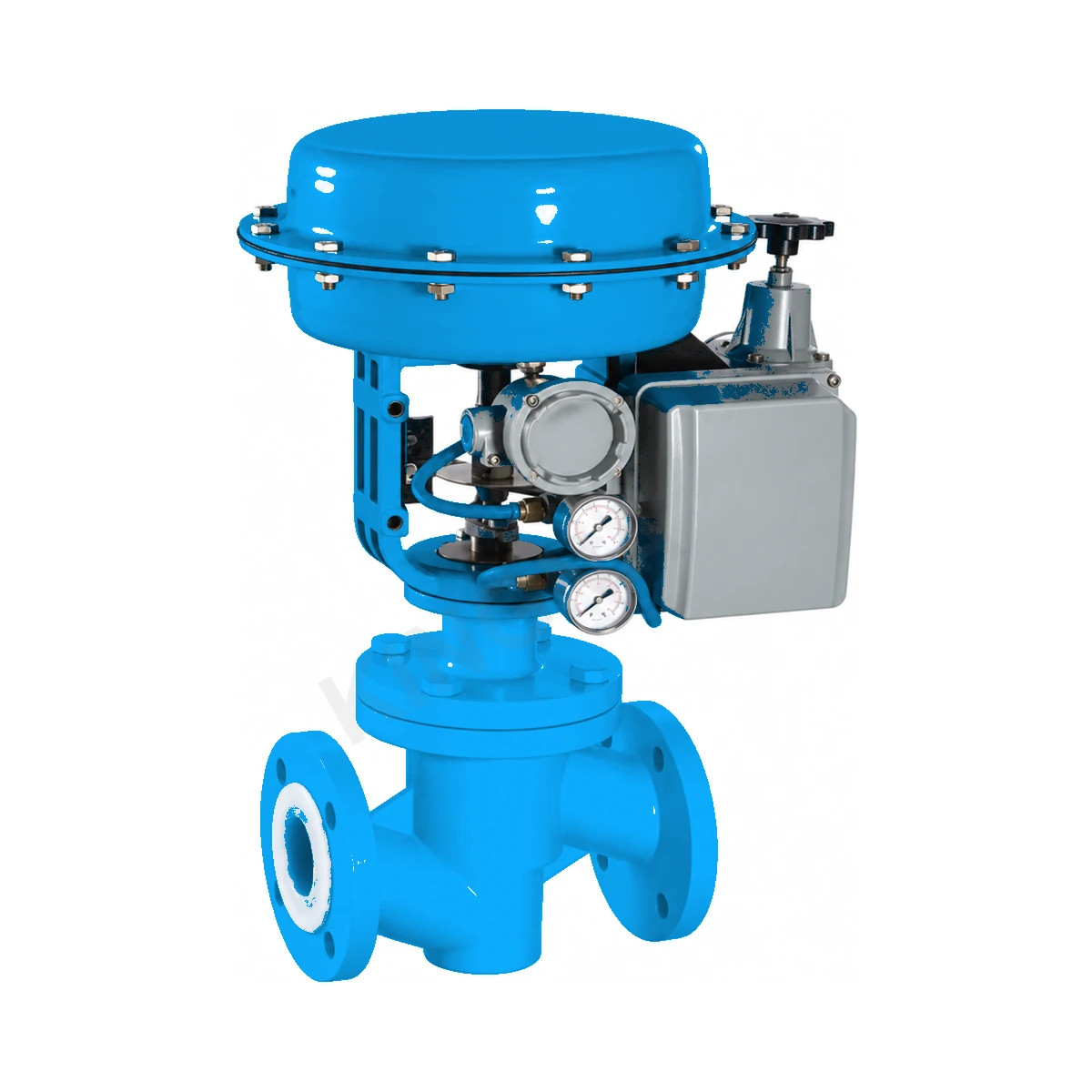
Lined Valves
Fluoropolymer- and rubber-lined valves for acid, alkali and corrosive service.
Lined Valves
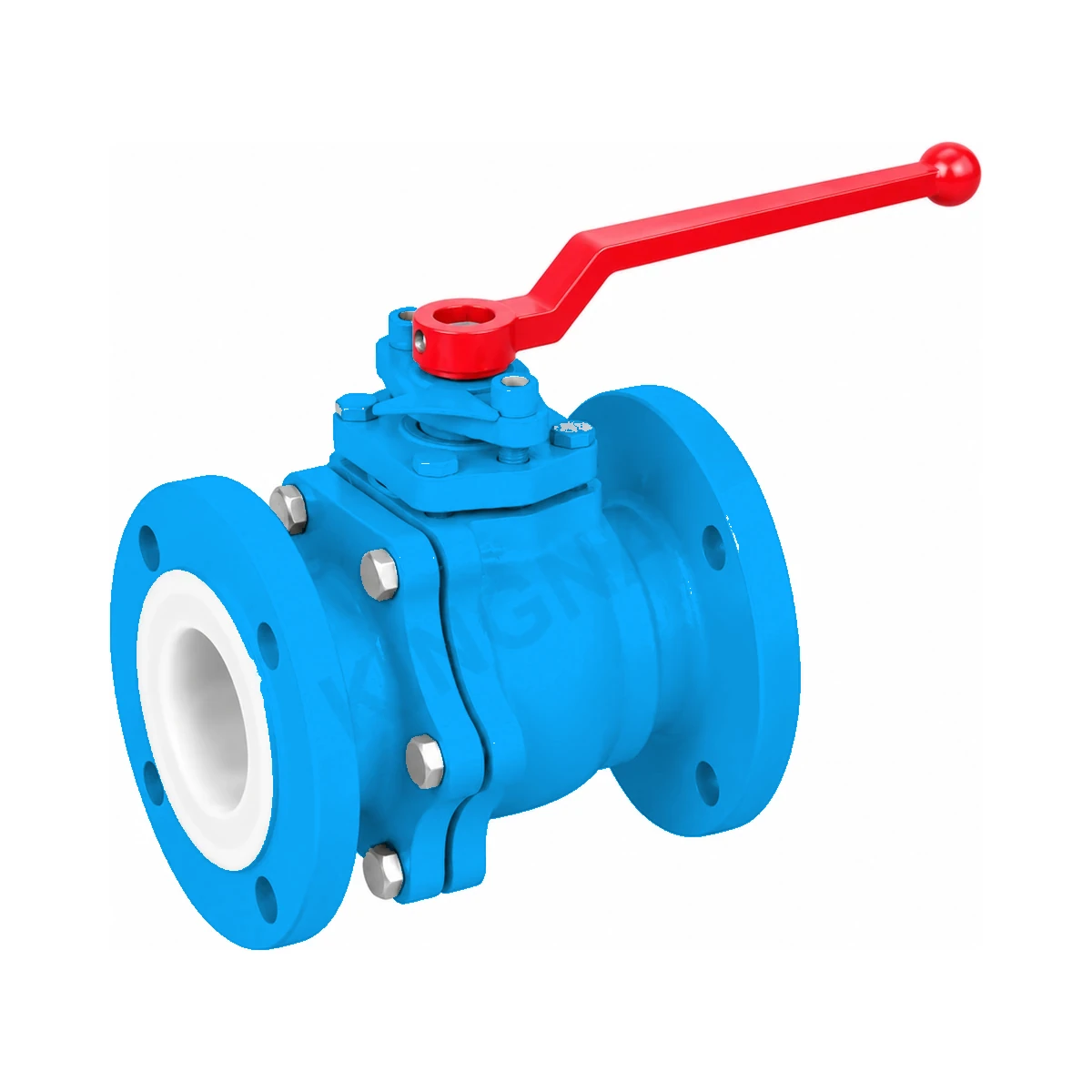
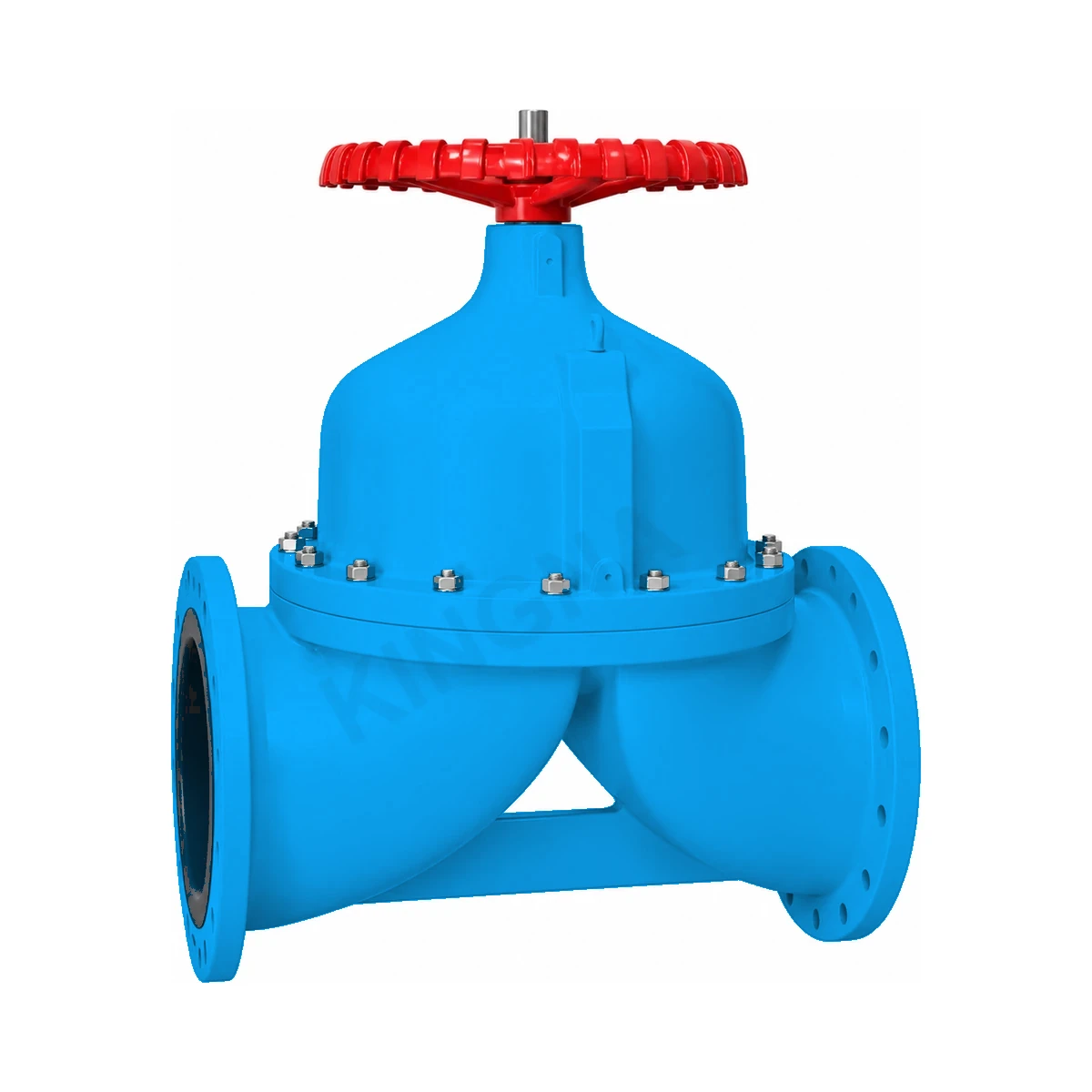
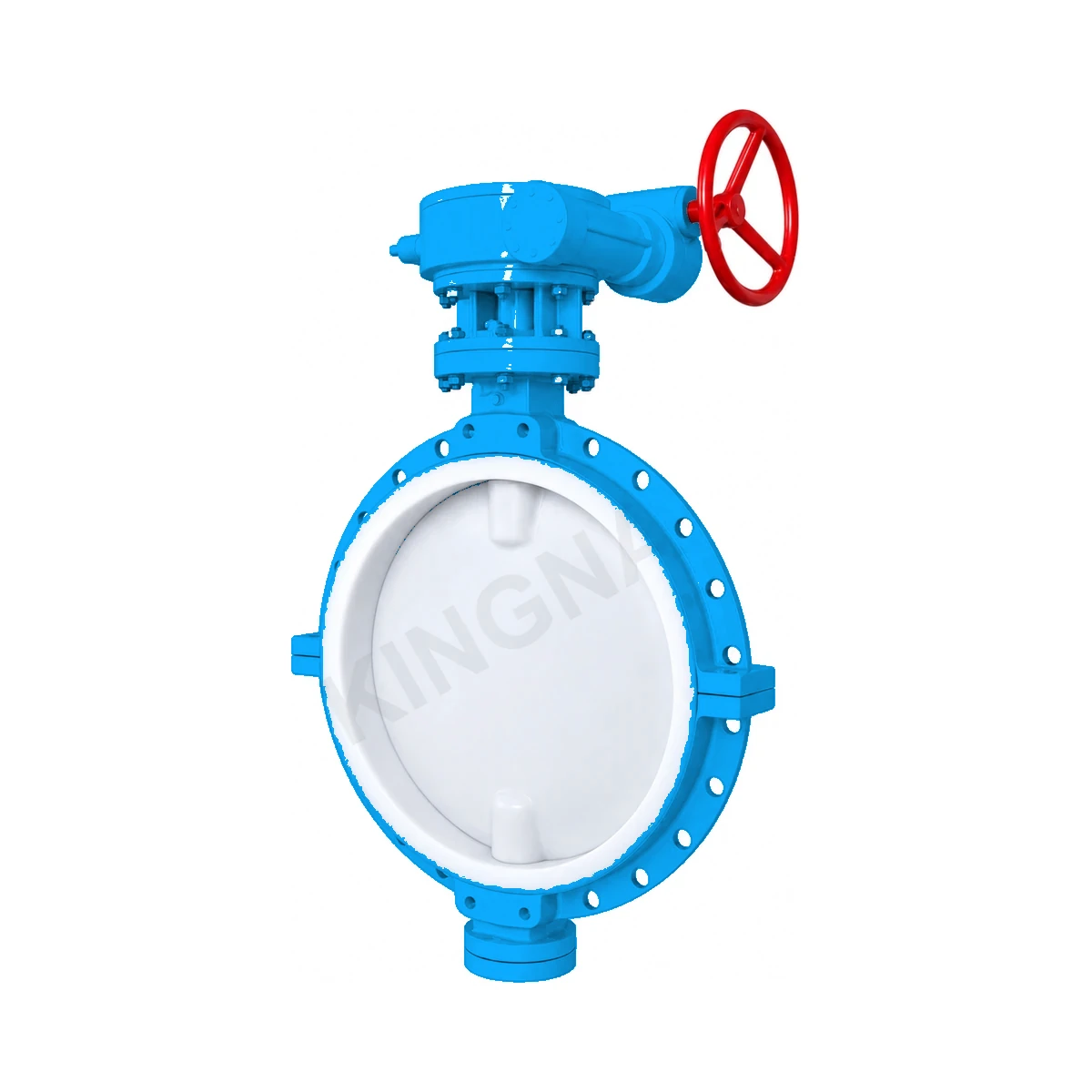
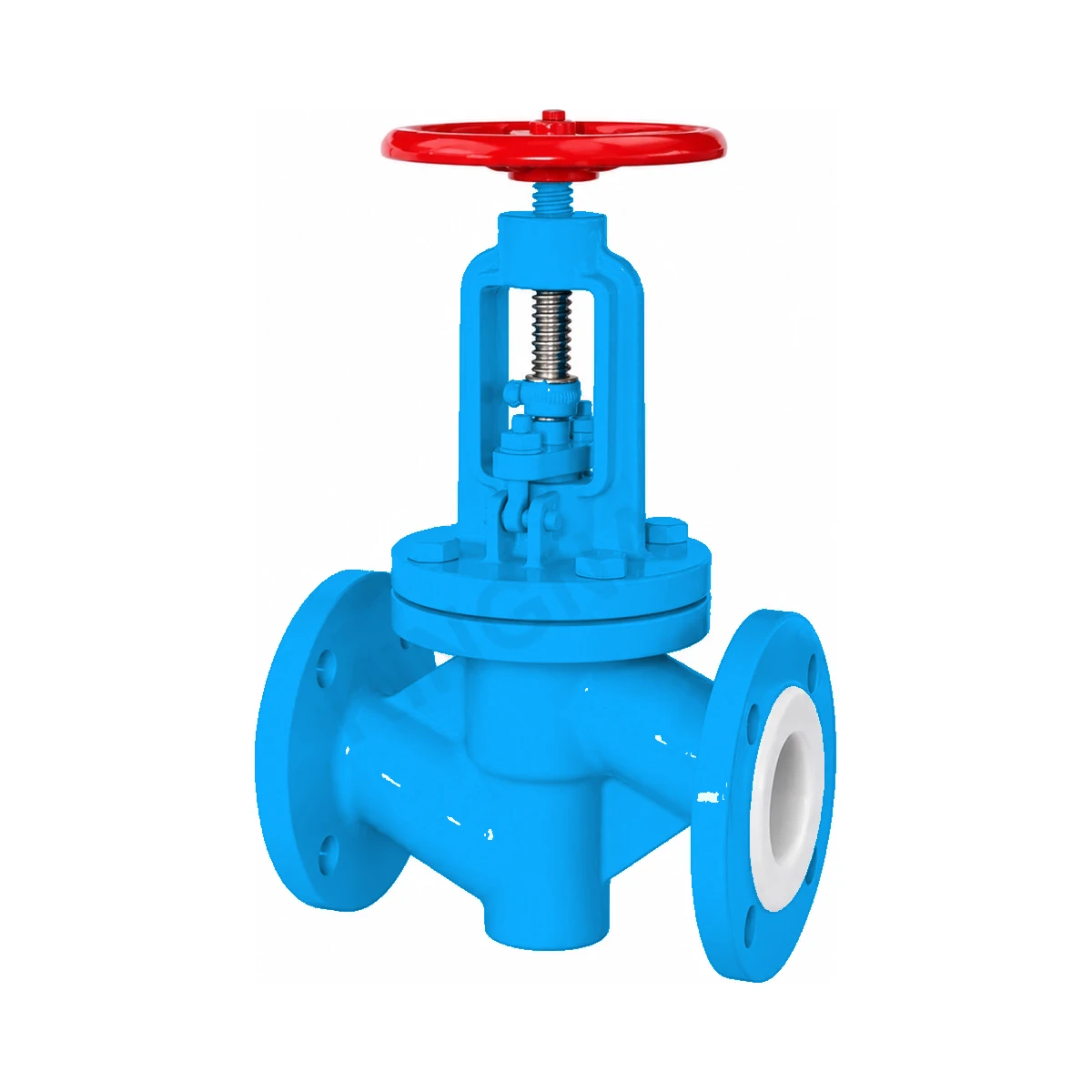
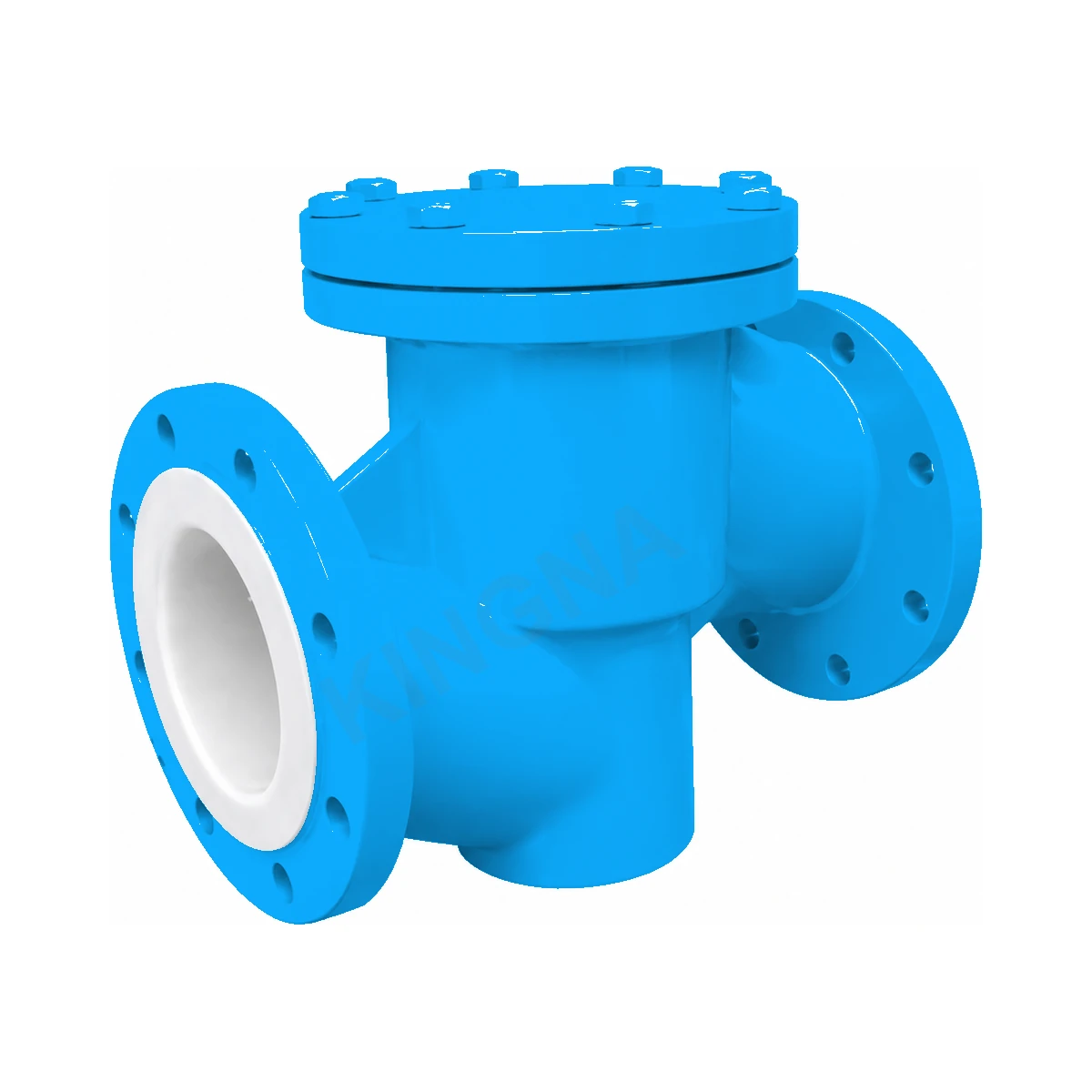
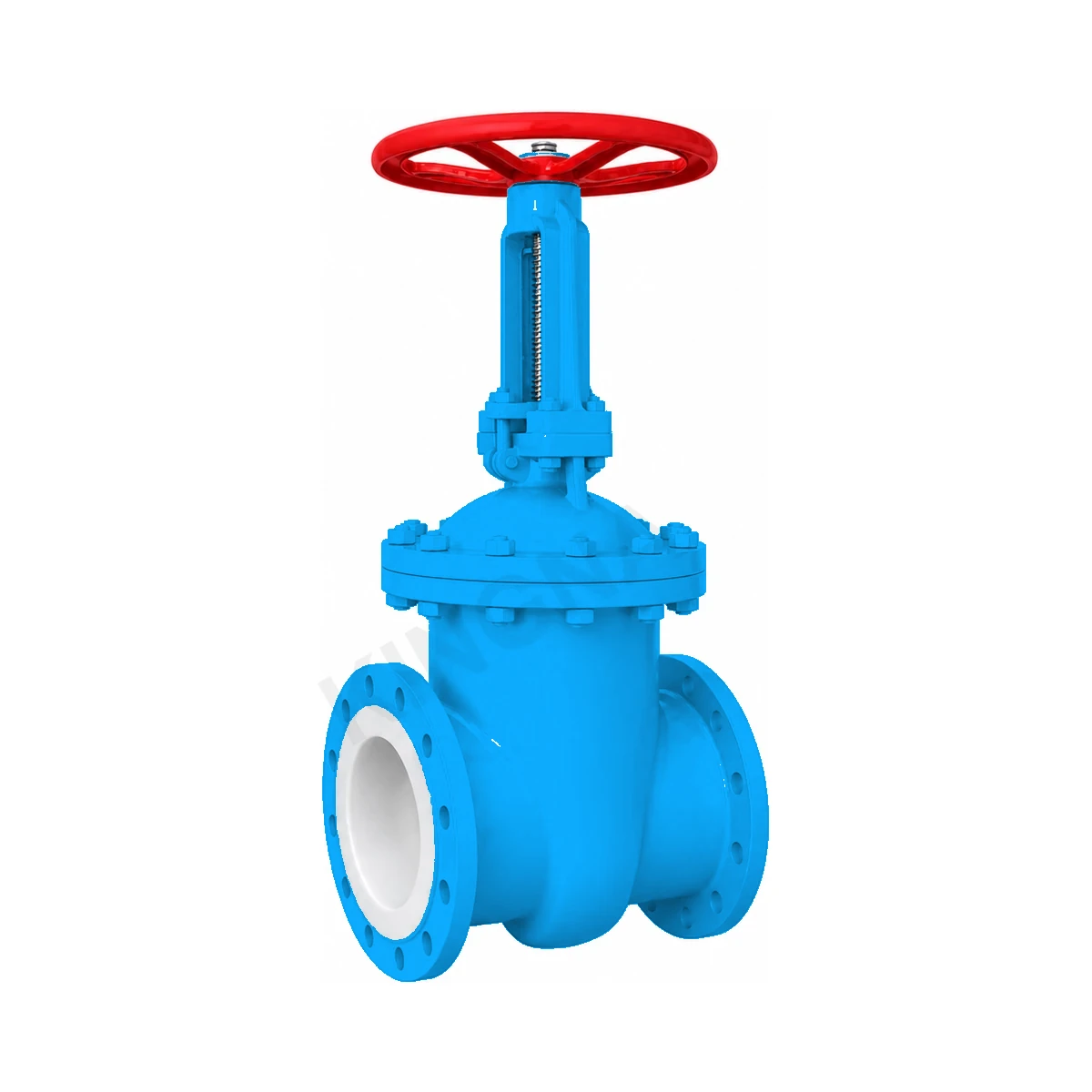
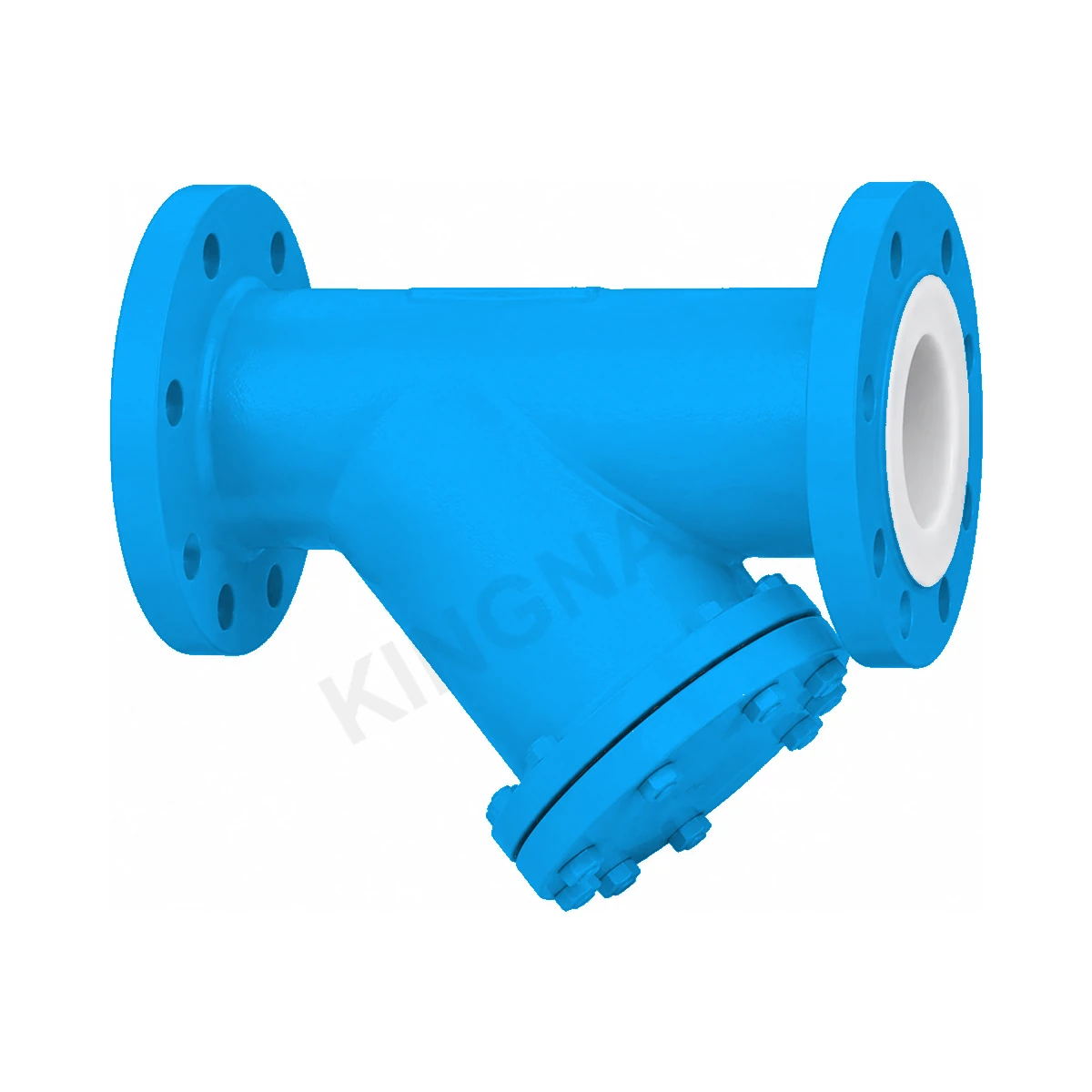
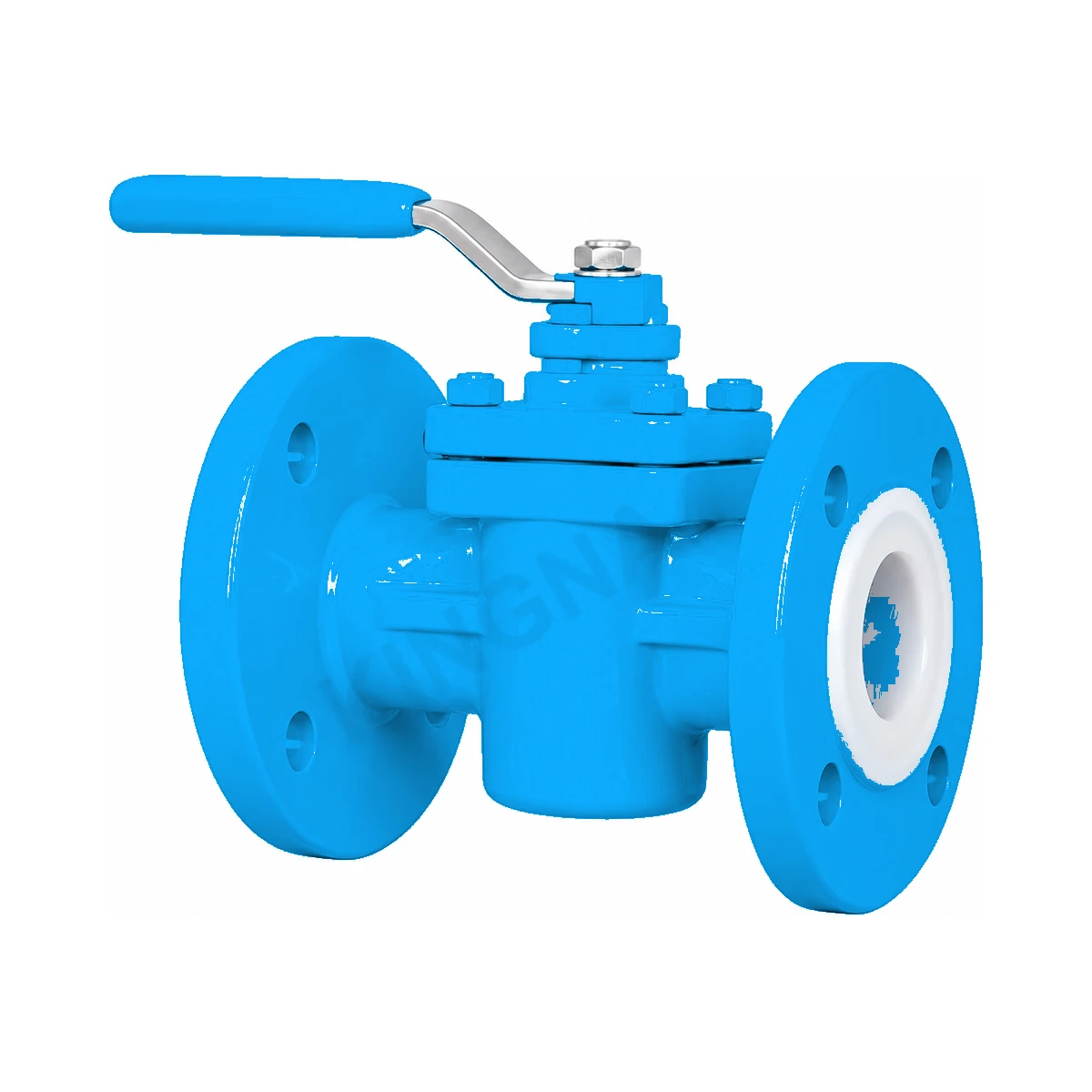
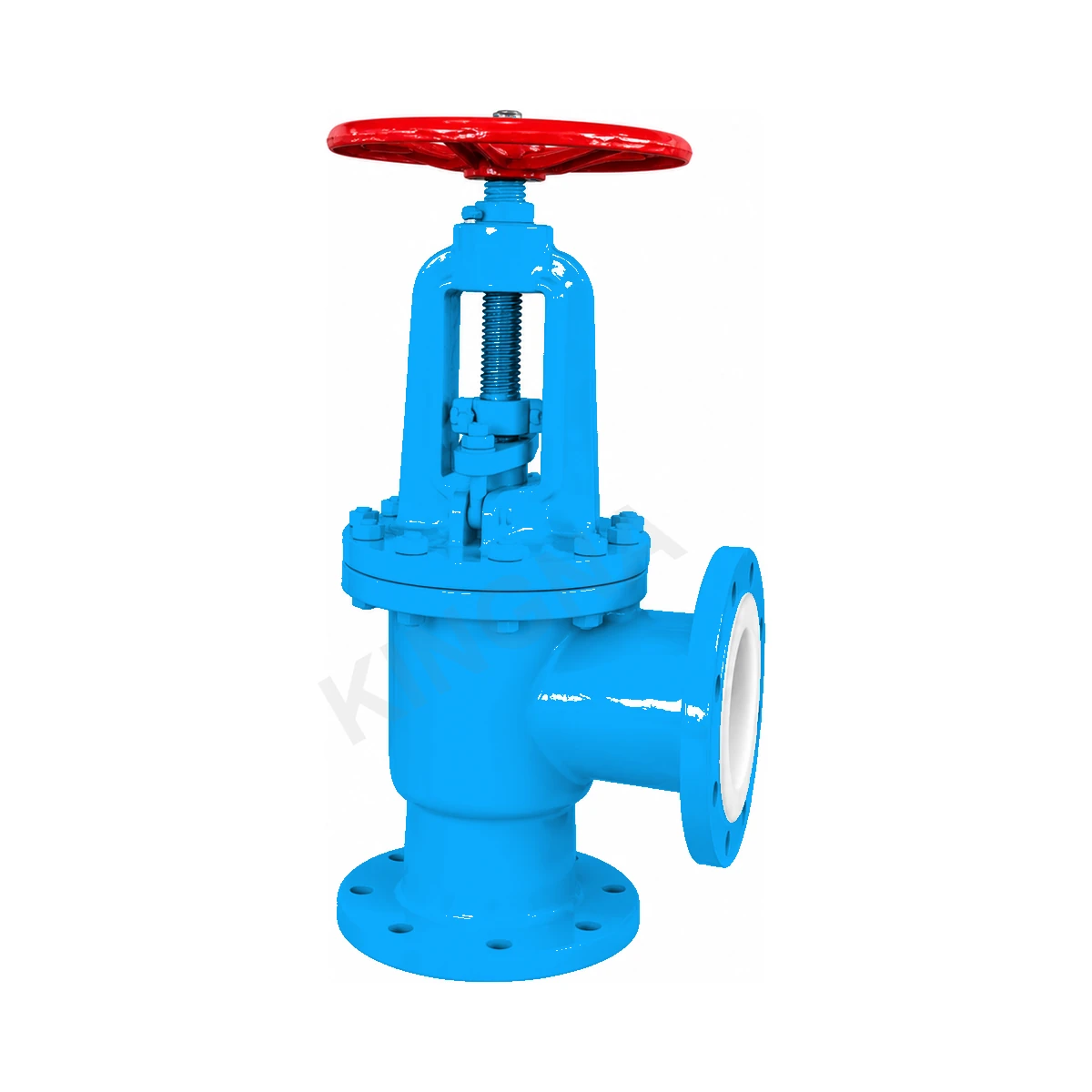
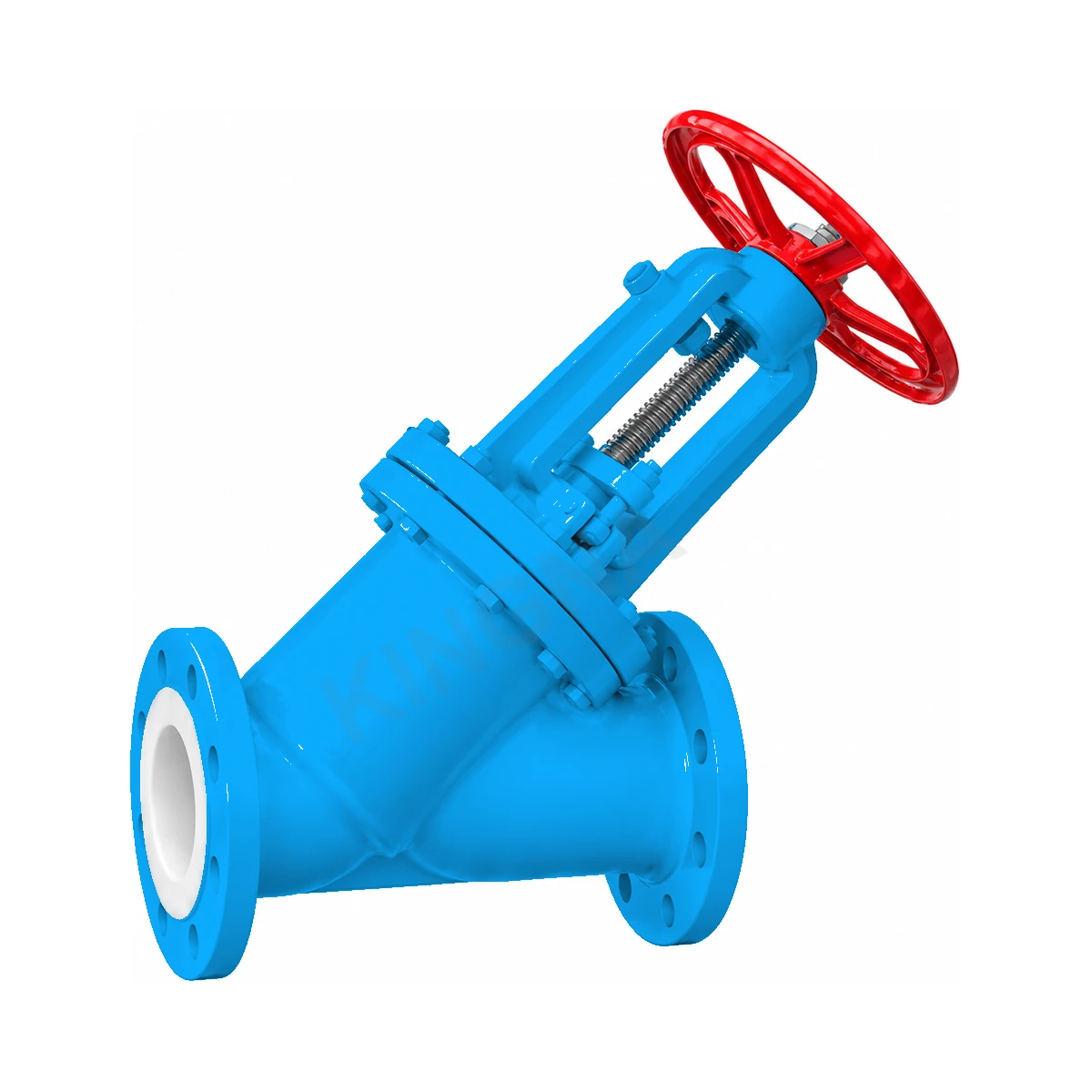
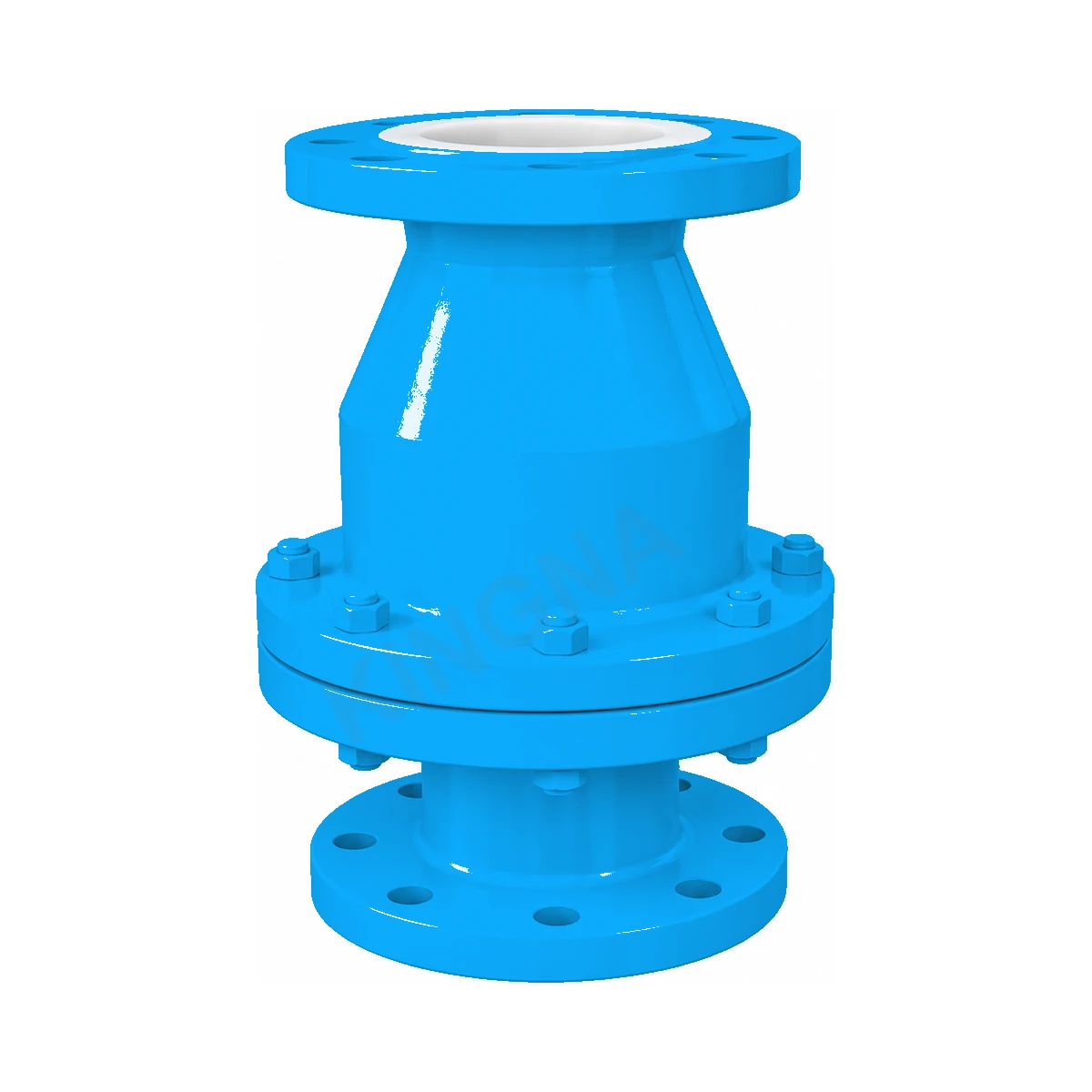
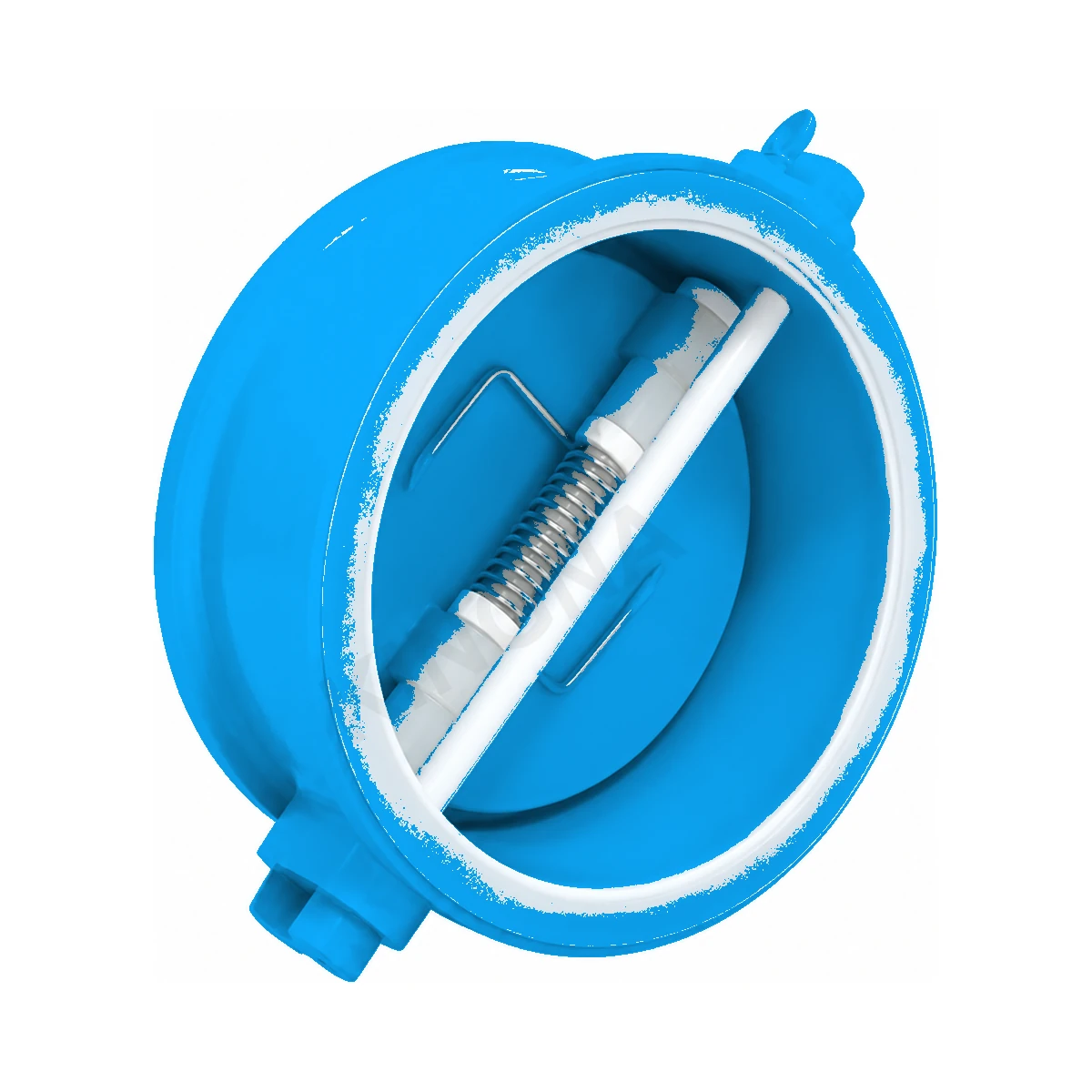
Fluoropolymer- and rubber-lined valves for acid, alkali and corrosive service — gate, globe, butterfly, diaphragm, check and Y-strainer, DN15 to DN1200 at PN0.6–1.6 MPa. The lining is the working surface: it suits corrosive media but not abrasive slurry, and it is the part that fails if the valve is throttled or run dry. Lining grade (PTFE, FEP or PFA) and body material are confirmed per order.
Need the working principle before you pick a model? The engineering hub has interactive cross-section diagrams, selection tables and a 50 / 60 Hz pump affinity calculator.
CRYOGENIC VALVES
Cryogenic Valves for LNG
Butterfly, ball, gate, globe and check valves for LNG, air separation and petrochemical service, down to −196 °C — engineered to your specification.
Five families, five different jobs
The families on this page are not alternative ways to do the same thing. Each one answers a different duty, and most wrong-valve complaints trace back to a valve being asked to do the job of another family.
| Family | What it does | Where it is the right answer | Where it is not |
|---|---|---|---|
| Gate valve (NRS / OS&Y) | Lifts the wedge completely out of the flow path | Isolation on mains that stay open or shut | Throttling — a part-open wedge erodes and chatters |
| Butterfly valve | Rotating disc with a short face-to-face | Frequent operation, large sizes, limited space | Duties that need a pig-clean full bore |
| Check valve | Opens on forward flow and closes against reverse flow | Pump discharge and any line that must not back up | Isolation — it is not a shut-off device |
| Air release valve | Vents air at high points and admits air on drain-down | Pipeline filling, emptying, high points | Continuous flow control |
| Hydraulic control valve (100X–800X) | Pilot-operated, holds a set pressure, flow or level | Pressure reducing, sustaining, level or pump control | Simple on/off isolation |
Resilient seat or metal seat — decided by the water, not by price
Clean treated potable water in transmission and distribution is the resilient-seat duty, and it is written the standard way by AWWA and by EN 1074-2. Raw water intakes, pumping mains carrying silt, wastewater and higher-temperature service are the metal-seat duty, commonly written to BS 5163.
Neither is the better valve. A resilient seat gives drip-tight closure, but rubber is the part that ages. A metal seat survives dirty water and heat, but reaching bubble-tight takes a higher pressure class. Choosing on price alone usually means choosing the wrong seat for the water.
NRS or OS&Y — the stem follows the installation
A buried main, or a chamber the operator cannot look into, calls for a non-rising stem: the stem stays out of the way and position is read from the indicator. Above ground, or where the operator should see the position at a glance, an outside screw and yoke shows travel directly.
This is an installation decision, not a water-quality decision. The same valve body can be supplied either way, so the answer belongs in the enquiry rather than being settled after delivery.
What to confirm before a valve quotation
A valve quoted without these items is a valve quoted against a guess. Each one changes either the valve or its price, and most of them are already written in the project specification.
- Size (DN) and pressure class — and whether the project writes PN or Class
- Medium and temperature, including whether silt or solids are present
- Connection: flanged (and which flange standard), butt-weld, threaded or grooved
- Body material expected: ductile iron, cast iron, steel or stainless
- Operation: handwheel, gear, electric or pneumatic actuator
- Installation: buried, in a chamber, or above ground — this fixes NRS versus OS&Y
- The standard the project calls out, so the valve is quoted against it and not against a generic equivalent
Frequently asked
- Gate valve or butterfly valve — which one for a given line?
- It follows from the structure. A gate valve lifts the wedge out of the flow path, so fully open it is a straight pipe with minimal head loss — that is the argument for isolation. A butterfly is compact and cheaper per size at large diameters, which is why it dominates above roughly DN1200. Between DN50 and DN600 both are credible, and the choice turns on how often the valve is operated and how much space the installation has.
- Resilient seat or metal seat?
- Resilient for clean treated potable water in transmission and distribution. Metal for raw water intakes, silt-carrying mains, wastewater and higher-temperature service. The seat follows the water, and a resilient seat chosen for dirty water is the usual cause of a valve that stops sealing.
- NRS or OS&Y?
- It is an installation decision. Buried mains and chambers call for NRS, with position read from the indicator. Above-ground installations, or anywhere the operator needs to see position at a glance, use OS&Y. The water does not decide this one.
- How are PN and Class related?
- They are two rating systems, and the project specification states which one governs. We quote against the rating the project names rather than converting between them on the buyer's behalf — a conversion that is not in the specification is a place where deliveries go wrong.
- Can a butterfly valve be used to throttle flow?
- It can be part-open, and some duties require it. As a standing arrangement it is a compromise: a disc held part-open in a dirty line erodes the seat edge and can chatter. Where throttling is continuous, a control valve or a hydraulic control valve is the part built for it.
- Which body material is usual for waterworks valves?
- Ductile iron is the dominant body material for waterworks service. Grey iron still appears in the market because it is cheap and passes a factory pressure test, but it is confined to lower pressure classes and becomes a brittle-fracture risk under surge or ground movement. Where the specification calls for steel or stainless, that is quoted as specified.
- Can an electric or pneumatic actuator be fitted?
- Yes — actuated valves are quoted as such, and the actuator requirement belongs in the enquiry because it changes the top flange and the stem arrangement. State the actuation type and the control signal the project uses.
- What does the quotation state about testing?
- The test regime follows the standard the project names. What is tested, and what documentation comes with the valves, is written on the quotation for that order — so the report you receive matches what was ordered rather than a generic brochure claim.
Need the right valve for your duty?
Send the medium, DN, PN or Class, temperature and connection details. We return a selection proposal, the manufacturer's datasheet, a dimensional drawing, and a quotation with deviations listed against your specification.
Or email us directly: sales@kingnatrading.com