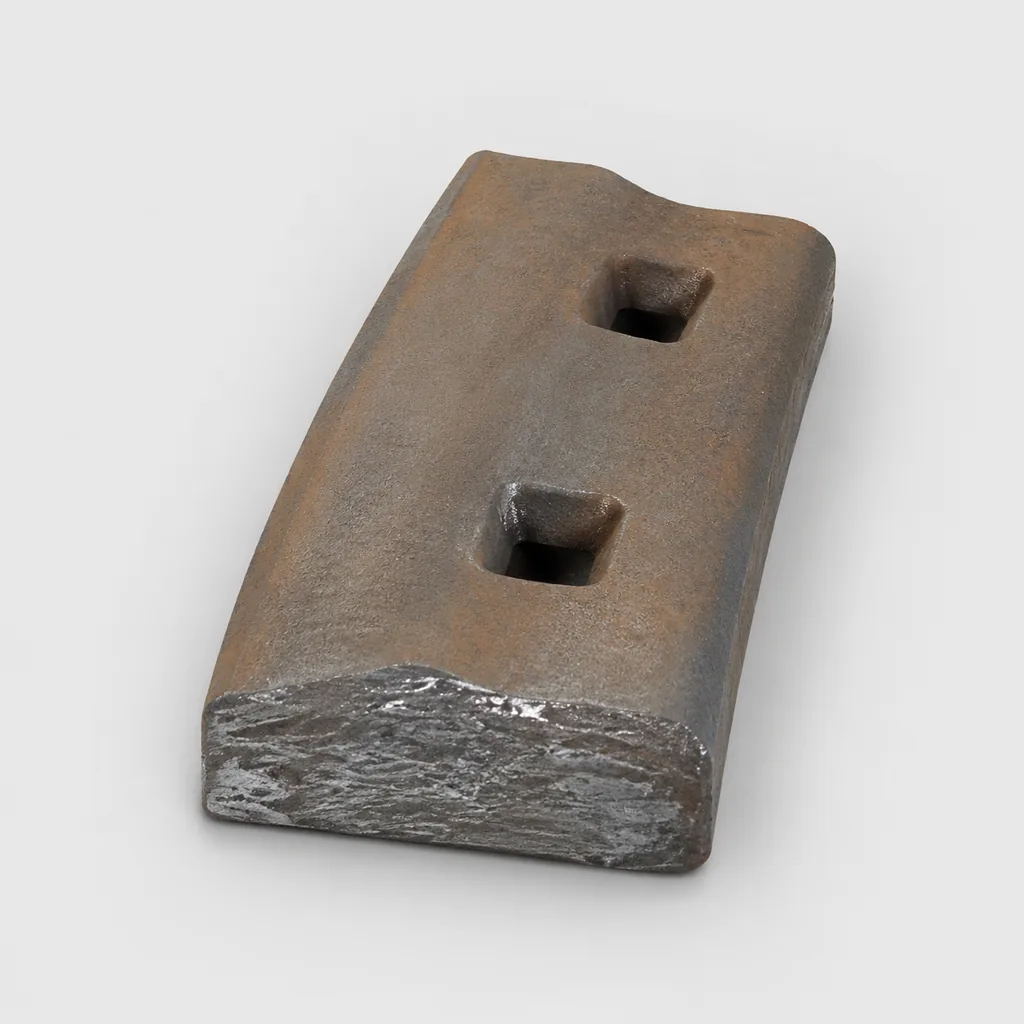

Select mill liners from the actual grinding duty, liner position, wear pattern, and drawing data. For ball mills, SAG mills, and similar equipment, confirm the liner material and profile against impact, abrasion, charge movement, and replacement evidence. Existing KINGNA wear parts articles cover crushers. This guide covers mill liners for ball and SAG applications only: operating conditions, liner design, and replacement decisions.
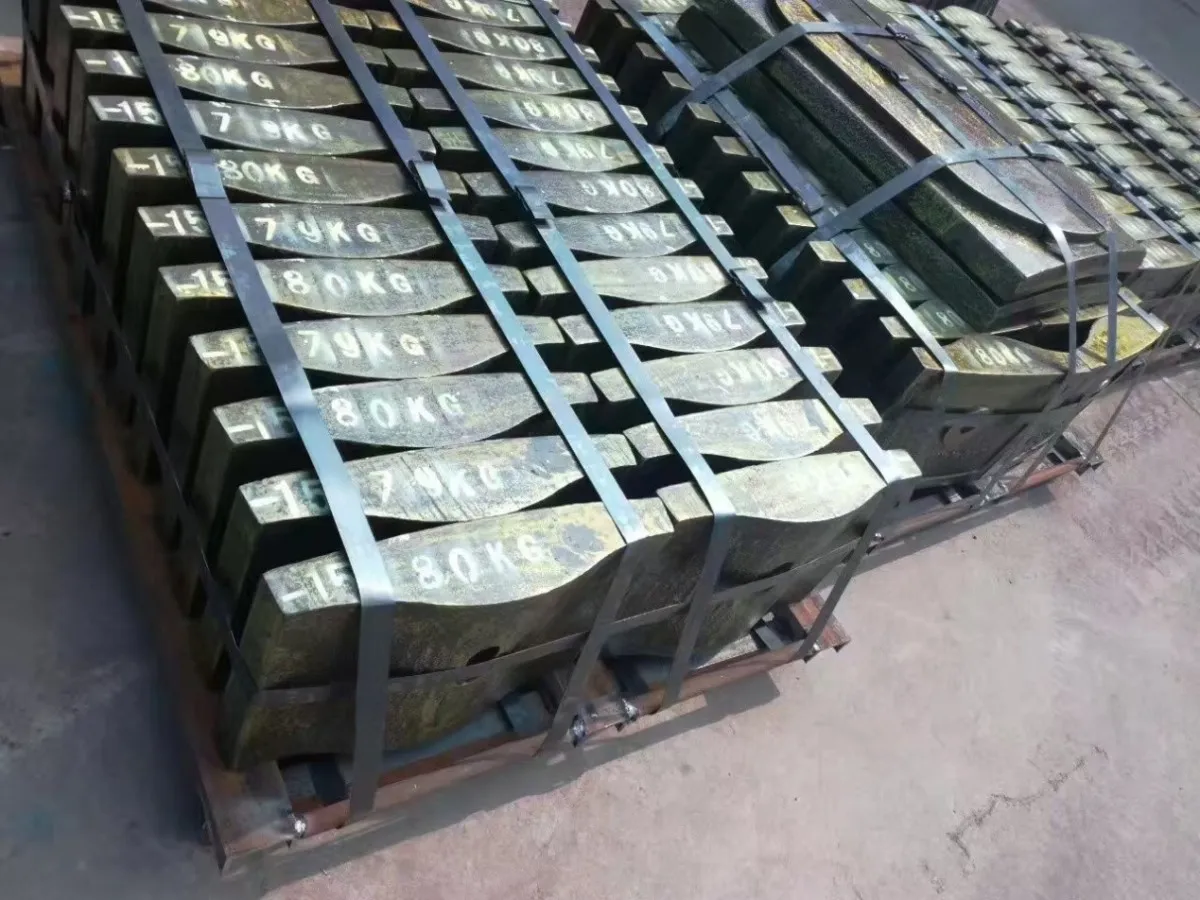
What mill liners do in a grinding mill
Mill liners sit inside the mill and protect the shell and internal components from grinding media, ore, and slurry. In horizontal mills such as ball and SAG mills, the liner also changes how the charge moves, so profile matters as much as material.
A mill liner is not a generic replacement plate. It is a wear component with a fixed position, shape, fixing arrangement, and installation orientation. Selection has to match the existing mill drawing and the operating conditions the plant has recorded.
KINGNA's mill liners are made to drawing. The range covers mill liners, screen panels, grate plates, and side liners, with high manganese steel and chromium molybdenum alloy steel as typical material options. Final material and design details need factory confirmation.
Which operating information should buyers collect?
- Mill type, such as ball mill or SAG mill
- Liner position, such as shell, end section, side, grate, or screen panel
- Existing liner drawing or a clear replacement drawing
- Liner profile, such as wave, step, or rib form
- Grinding media and ore conditions
- Main wear locations identified during inspection
- Current liner condition and the reason for replacement
- Required quantity, and whether a complete set or selected sections are needed
How to choose between typical liner materials
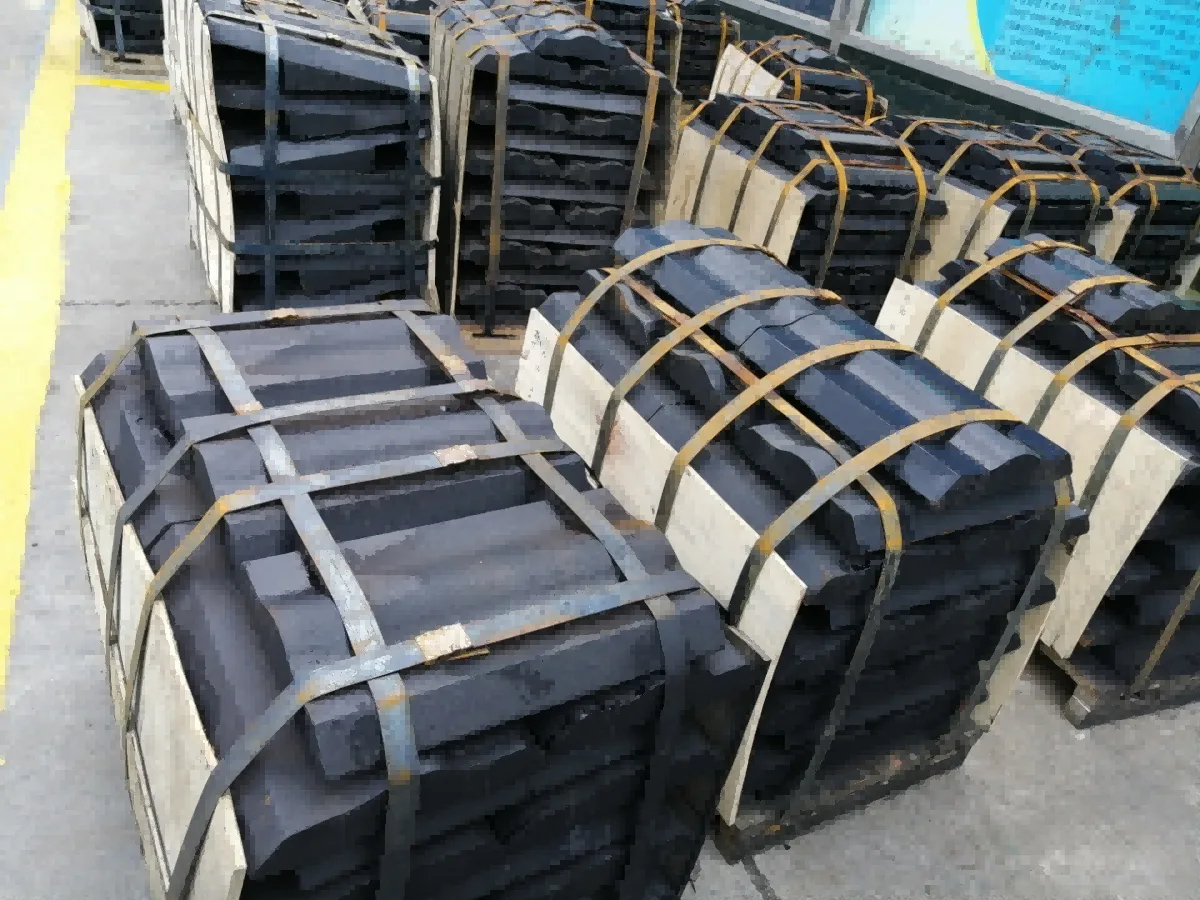
The KINGNA product information lists Mn13Cr2 and CrMo as typical material options, that is, high manganese steel and chromium molybdenum alloy steel. Which one fits depends on the balance of impact and abrasion at the specific mill position.
High manganese steel is the common choice where impact makes up a major part of the loading. Treat that as a selection principle, not a guarantee: the result depends on mill duty, liner position, operating conditions, and design.
Chromium molybdenum alloy steel is the other typical option. It can be considered where the duty calls for an alloy steel solution, subject to factory confirmation of the specific grade, heat treatment, and application. The product page does not establish a universal service-life ranking between high manganese steel and chromium molybdenum alloy steel.
When you compare offers, ask each supplier to state the proposed material, the liner position, and the drawing reference. Comparing material names alone tells you nothing about profile or installation, and the same mill often needs different liner components in different positions.
For a drawing-based supply, review the SAG and AG mill liners product scope together with the liner drawing. Supply is to order, and the minimum order quantity is negotiable.
| Selection factor | What the buyer should review |
|---|---|
| Impact from the grinding charge | Does the position take repeated impact from media and ore? |
| Abrasive action | Wear rate and surface condition of the removed liner |
| Liner position | Shell liners, side liners, grate plates, and screen panels face different duties |
| Profile retention | Does the wave, step, or rib profile still work in service? |
| Cracking or deformation | Visible cracks, local deformation, damage around openings and fixing points |
| Existing operating history | Inspection records and removed-liner evidence, where available |
How to read wear patterns and operating conditions
A useful inspection starts with the removed liner, not with a material preference. Record where the wear sits and whether the profile has changed evenly or in one spot.
How to evaluate mill liner design
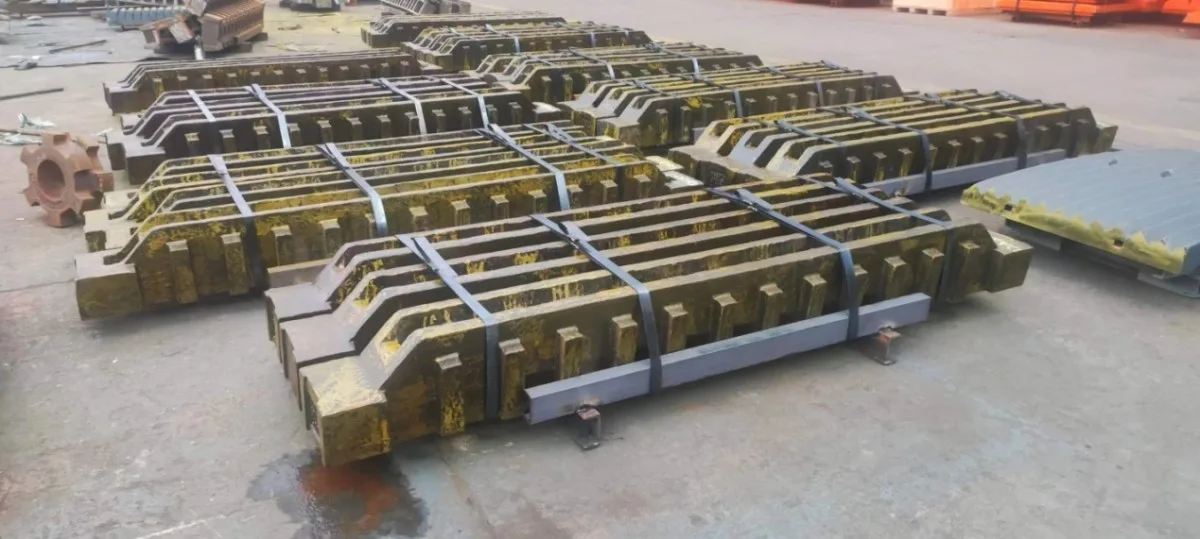
- Wave profile
- Step profile
- Rib profile
When should mill liners be replaced?
A replacement decision should rest on several kinds of evidence:
1. Remaining working profile. Does the liner still hold its designed wave, step, or rib shape?
2. Remaining section. Which areas have become thin, uneven, or locally worn?
3. Cracks and deformation. Cracks, distortion, broken sections, damage around openings or fixing points.
4. Fit and fixing condition. Is the liner still seated and secured correctly?
5. Pattern across the set. Compare several liners from the same position, not one component on its own.
6. Operating records. Match the observed condition against the mill's operating history and maintenance findings.
7. Drawing review. Does the proposed replacement match the latest approved drawing?
Do not assume a fixed replacement interval without site data. Base the call on inspection evidence, the remaining functional profile, safe installation requirements, and the risk of running on. If damage is confined to one zone, name that position clearly, so the supplier can say whether a selected section or a complete set is the right order.
What to include in an RFQ
- Mill type and liner position
- Part name and quantity
- Latest drawing or verified dimensions
- Material currently in use, if known
- Preferred typical material option, if already specified
- Profile type
- Photographs of the working face and the removed liner
- Photographs of cracks, deformation, or fixing areas
- Reason for replacement
- Delivery location and commercial terms
Reference sources
- KINGNA, Mill & Wear Liners — product page is the checkable basis for the published product identity, material options, profile forms, supply basis (made to drawing), MOQ and lead-time wording.