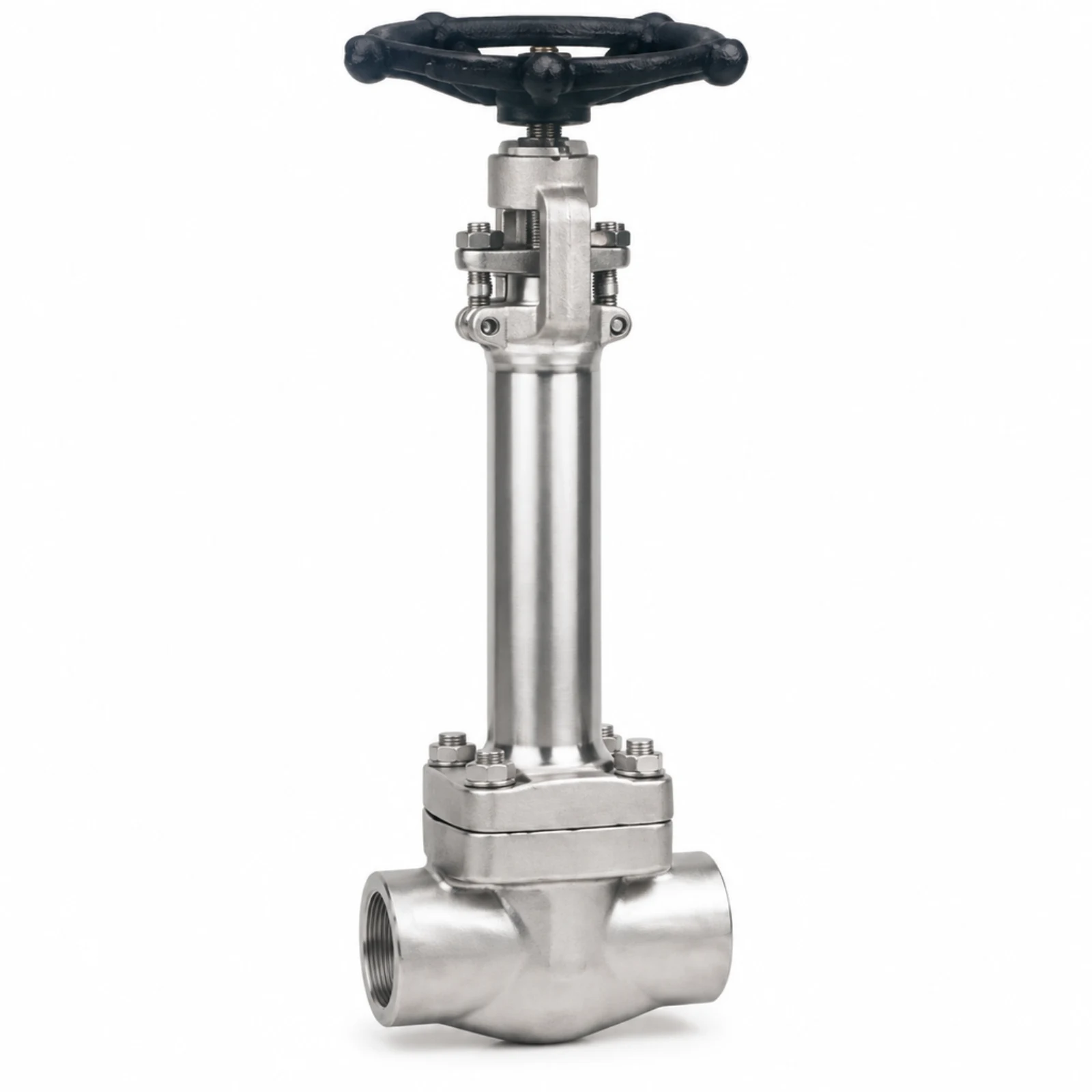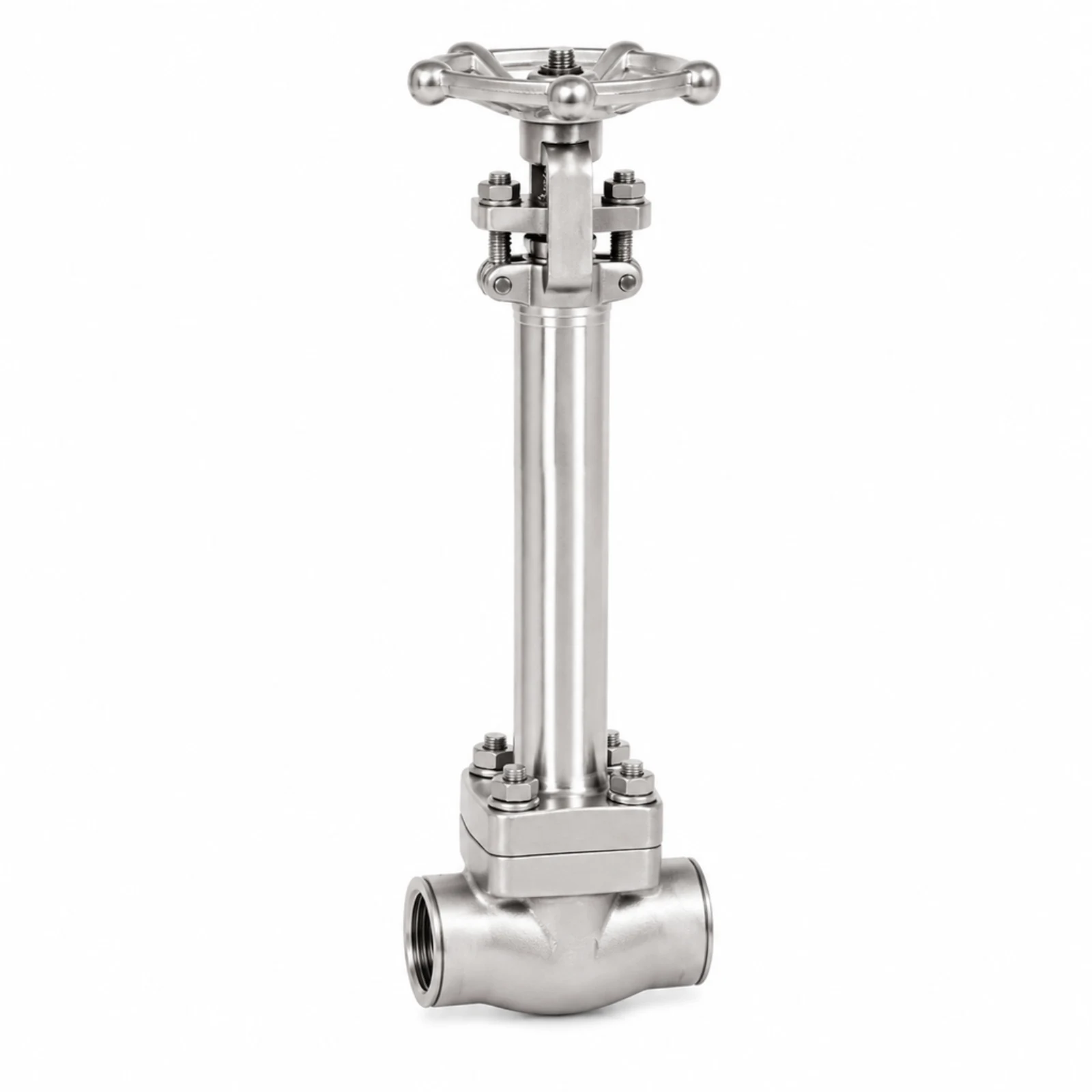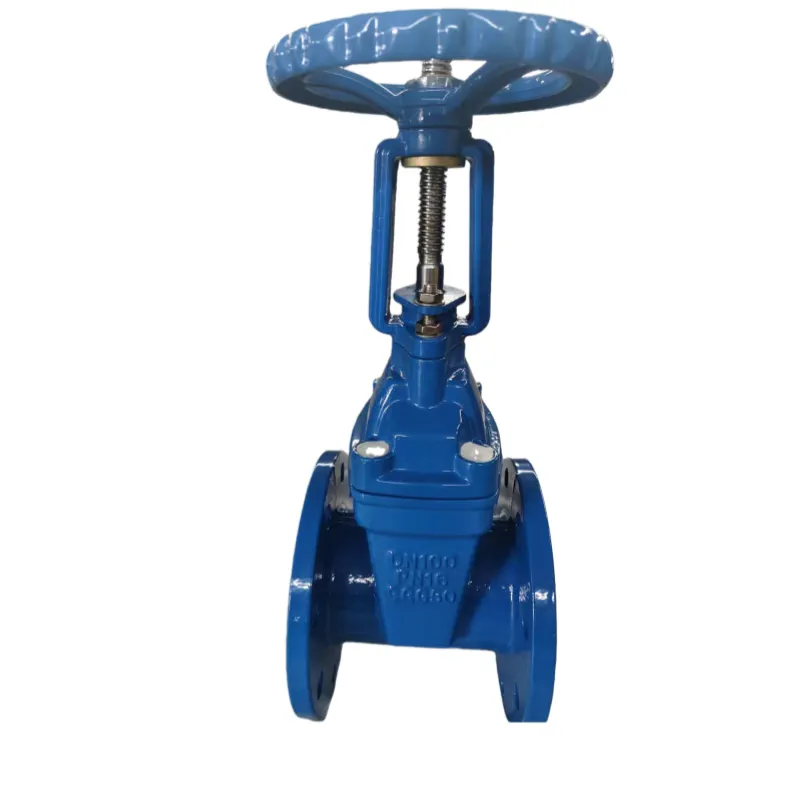

For LNG, air separation, and liquid-ammonia projects, the cryogenic valve standards to specify depend on the valve type and on the checks the project specification calls for. Ask for the design basis and the relevant test records before you compare quotations. KINGNA's cryogenic valve selection guide covers when cryogenic valves are needed and how to choose a structure. This guide is narrower: which standards to specify, how testing is described, and which documents to request.
Start with the design basis
No single cryogenic valve design standard covers a whole specification. Treat the pressure-temperature basis, valve design, end connections, materials, and low-temperature requirements as separate items. The standards below come from the manufacturing partner's product literature. They are examples only, not confirmation that a given valve has a written compliance statement or test report against each one.
Which combination applies depends on the valve type and the project specification. In the inquiry, state the required design standard and pressure-temperature basis, and ask the supplier to name the standards that apply to the configuration it is offering. A standard printed in product literature is not proof that a specific valve complies with it.
BS 6364 needs particular care. BSI has withdrawn BS 6364:1984, and the BS EN ISO 28921 series replaces it. BS 6364 can be cited as a cryogenic valve standard that was used historically, but it should not be presented as current.
| Specification area | Standards listed in the product literature |
|---|---|
| Pressure-temperature basis | ASME B16.34 |
| Pipeline valves | API 6D |
| Flanges, face-to-face dimensions, and end connections | ASME B16.5, ASME B16.10, and ASME B16.25 |
| Butterfly valves | API 609, ISO 21159, and the ISO 28921 series |
| Gate, globe, and check valves | API 600, API 602, API 623, BS 1873, BS 1868, ISO 14313, and ISO 17292 |
| Cryogenic valve requirements | BS 6364, the ISO 28921 series, and GB/T 24925 |
Specify materials and temperature
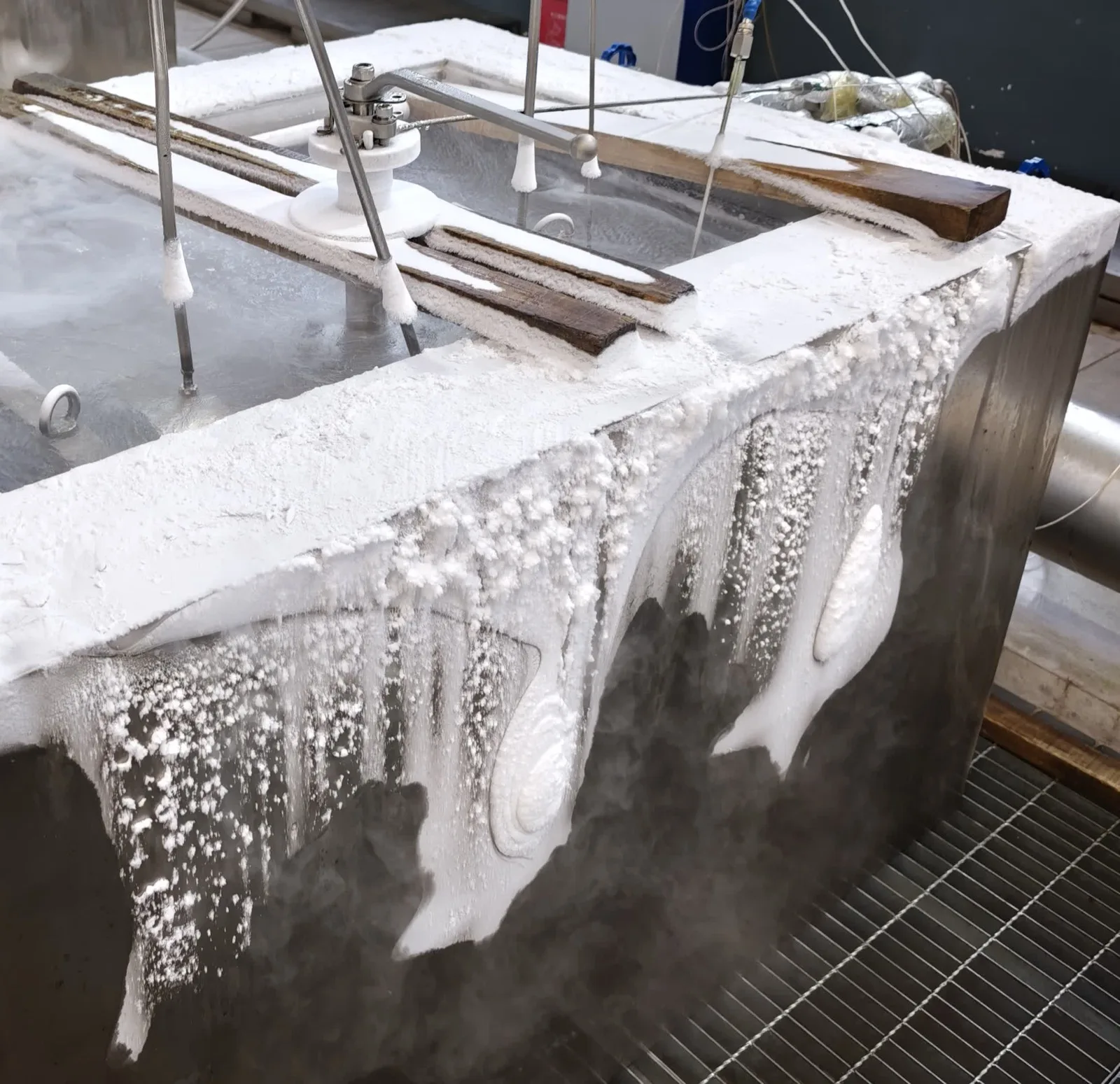
The manufacturing partner's product literature gives a temperature range of −196 °C to +150 °C, with −196 °C associated with liquid-nitrogen service. The body materials listed are the austenitic stainless steels ASTM A351 CF8M, CF3M, CF3, and CF8.
In the inquiry, name the materials required for the body and the internal parts. Ask which material certificates are available, and agree the certificate type in writing. You can specify EN 10204 3.1 or 2.2 as the required form, but availability and supply with the order have not been confirmed. Treat these certificates as order requirements to be agreed. They are not included automatically.
Match each test to its purpose
- For pressure and sealing, the product literature lists API 598 and API 6D pressure testing, and also cites BS 6364 and MESC SPE 77/200. State the required test basis and request the matching report.
- For fugitive emissions, the literature lists ISO 15848, including ISO 15848-1 for low-emission performance. No specific classification or test result has been confirmed, so request the applicable ISO 15848 result together with its stated classification.
- For fire testing, the literature lists API 607 and API 6FA / 6FD, plus a cryogenic valve fire certificate. Request the report or certificate that applies to the offered valve and confirm which products it covers.
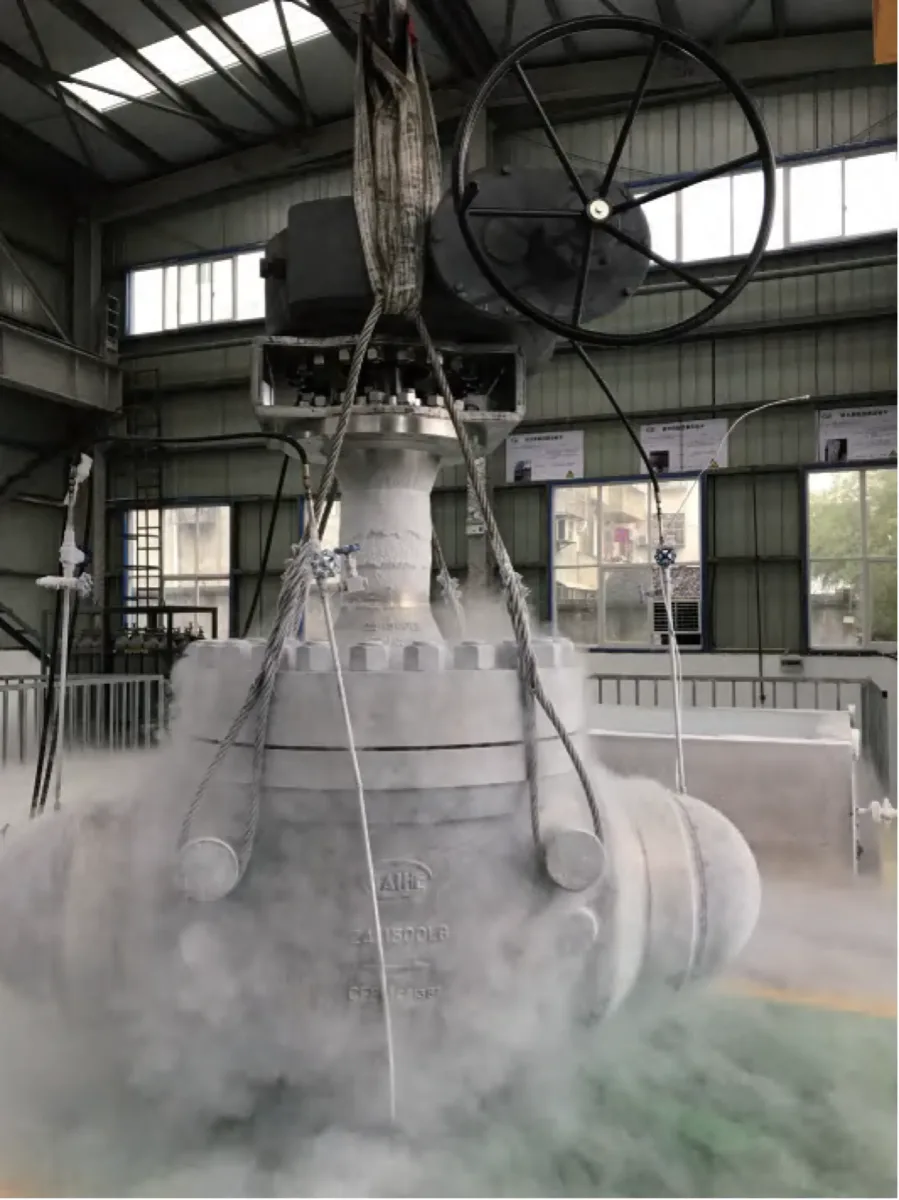
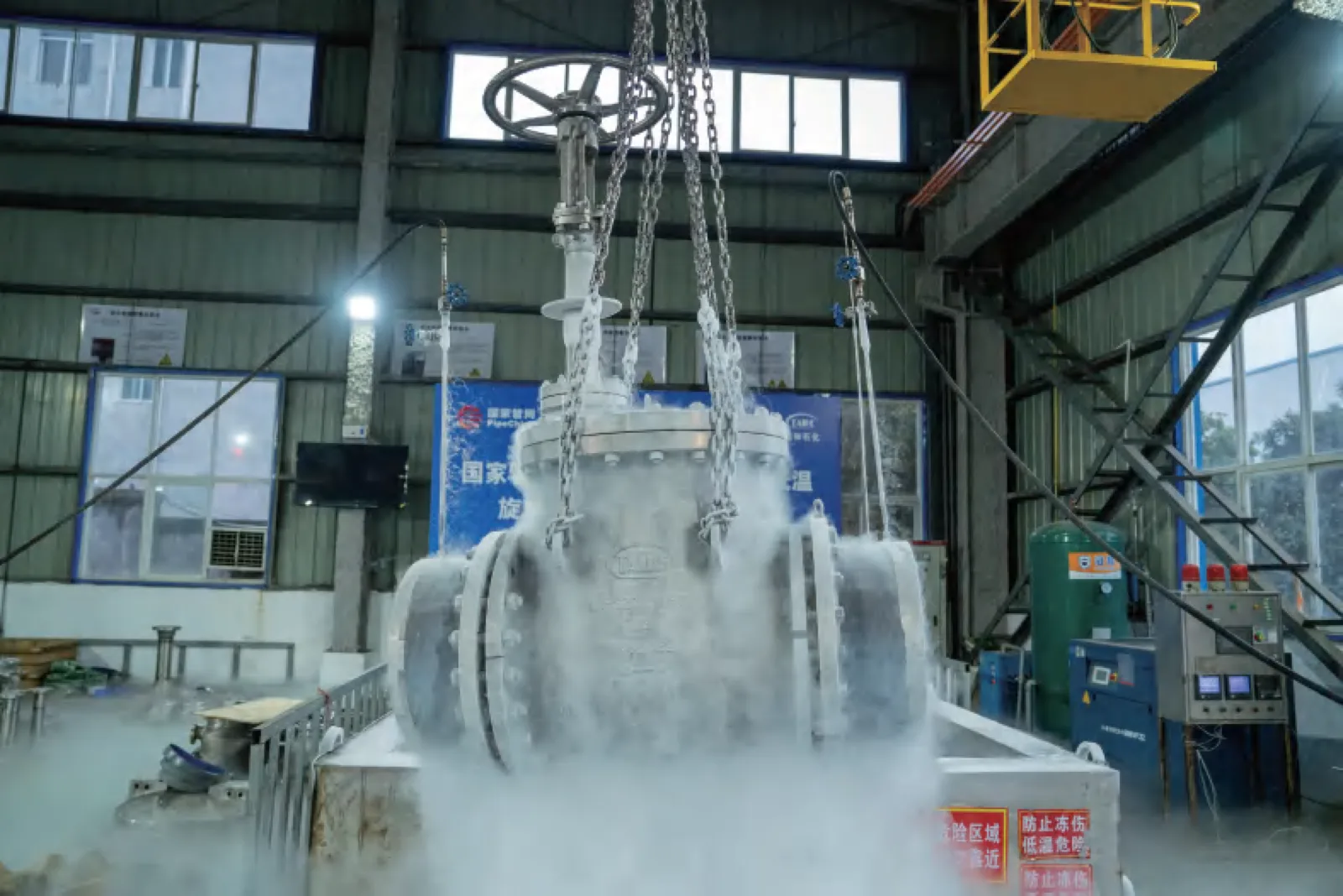
- For low-temperature type testing, the manufacturing partner is reported to have liquid-nitrogen test capability at −196 °C. Ask for the type-test record that applies to the proposed valve. A capability statement on its own does not establish the result for a specific configuration.
Ask for the documents by name
- Design-basis statement identifying the applicable design standard and pressure-temperature basis.
- Material certificates for the body and internal parts, in the certificate form agreed for the order.
- Pressure and sealing test report against the specified basis, such as API 598 or API 6D.
- Fugitive-emission declaration stating the applicable ISO 15848 classification and result.
- Fire-test report or certificate for the required fire-test basis.
- Low-temperature type-test record for the relevant liquid-nitrogen test.
- Shipping and operating documents: packing list, operation and maintenance manual, and painting and marking requirements.
Separate capability statements from evidence
The manufacturing partner's literature lists a range of certificates and accreditations: API-related certificates, fire-test and low-emission certifications, classification-society certificates, EAC, SIL, CNAS, and ISO management-system certificates. These are statements about the manufacturing partner, not about KINGNA. No certificate scans were obtained for this guide, so it gives no certificate numbers, validity dates, issuing-body details, or product coverage.
For technical qualification, request the certificate or report for the specific valve and confirm what it covers. A general certificate list does not show that every listed standard applies to every valve type or order.
Reference sources
- BSI, "BS 6364:1984 Cryogenic valves": https://knowledge.bsigroup.com/products/cryogenic-valves
- ISO, "ISO 28921 series": https://www.iso.org/search.html?q=ISO%2028921
- KINGNA, "Cryogenic Valves": https://www.kingnatrading.com/products/cryogenic-valves/
- KINGNA, "Cryogenic Valve Selection Guide": https://www.kingnatrading.com/guides/cryogenic-valves/